The same bodily reactions can be beneficial — activating, stimulating, but they can also simultaneously become the cause of diseases. For example, stress is the most common cause of pathologies.
Stress is an integral part of modern life. However, strangely enough, its impact on blood pressure can be completely different: for some, it rises, while for others, it falls. Why does this happen? Alexander Ostashkov, a therapist, cardiologist, and gastroenterologist, explained what problems low blood pressure during stress may indicate.
Stress: Friend or Foe
Stress is understood as the body's reaction to various external and internal stimuli. It can be triggered by both positive and negative events — from exams to moving or losing a loved one. Even bright events, such as weddings or fulfilling dreams, are stressors.
Contrary to popular belief, stress is not only a negative state but also a protective mechanism that helps us cope with threats and activate our resources. When we face danger, the "fight or flight" response is triggered — this is evolutionarily ingrained.
During this response, special stress hormones, such as adrenaline, are produced. Its release into the bloodstream causes the heart to beat faster, and breathing becomes deeper — consequently, blood pressure rises. This helps the body mobilize its resources: blood flow to the muscles increases, they are ready for quick actions, energy levels rise, and concentration improves. Many have probably noticed that during such reactions, time seems to move slower. In reality, brain processes are activated, allowing for quicker thinking.
Acute and Chronic
Acute reactions are beneficial; they help focus, improve physical performance, and can even save lives in dangerous situations, not only for the individual but also for those around them. However, when stress becomes chronic, the body is forced to live under conditions of increased tension. Its consequences can be devastating. Chronic stress depletes our resources, places increased strain on all organs and systems, leading to possible complications.
First and foremost, stress is one of the possible causes and a predisposing factor for the development of cardiovascular diseases. Prolonged elevation of cortisol levels negatively affects the immune system, which can lead to frequent colds. Metabolism is disrupted. Chronic stress impacts mental health, leading to apathy and even depression. Moreover, a connection has been established between stress and hypertension, as well as weight gain.
How It Affects Blood Pressure
When we experience stress, blood pressure rises — this is an expected reaction explained by the production of adrenaline. This is a normal and very useful response of the body that helps us deal with threats. Due to the increase in pressure, all organs and tissues are supplied with the necessary oxygen and nutrients, allowing us to maintain physical activity and execute the "fight or flight" response.
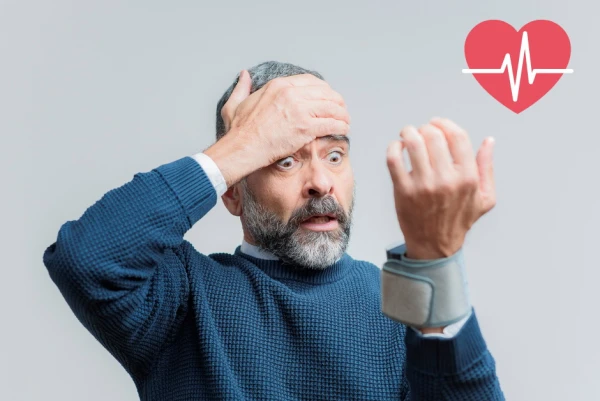
But if an increase in pressure is an expected reaction, why does it decrease for some people? If this occurs, such a reaction should primarily be viewed as a warning sign. A decrease in blood pressure during stress may indicate several causes. It has been observed that this reaction most often affects individuals with weight deficiency, both men and women. Such individuals generally have difficulties with blood pressure, especially in stressful situations. Overall, any impact can lead to problems with blood pressure.
A tendency towards hypotension plays a role, meaning that a person initially has low blood pressure, and stress exacerbates this issue. However, this reaction deserves special attention if the person has previously suffered a heart attack. In cases of extensive damage, the heart is unable to supply tissues with nutrients and oxygen. The appearance of such a symptom may indicate the development of heart failure. Therefore, it is essential to monitor the condition and undergo regular screening examinations.
Another possible reason for decreased blood pressure during stress is individual reactions of the autonomic nervous system. This refers to what is known as vegetative-vascular dystonia.
Stress is a complex phenomenon that can have both positive and negative effects on our health. An increase in blood pressure is an expected reaction; moreover, it indicates that the body has reserve forces and compensatory protective reactions are activated. On the other hand, a decrease in blood pressure is a reason to visit a doctor and monitor one’s condition. This symptom may indicate the onset of serious pathologies.