
Dehydration can begin long before the feeling of thirst appears. Even mild dehydration affects the brain, cardiovascular system, muscles, and skin. Losing just a few percent of fluid decreases concentration, worsens mood, and disrupts electrolyte balance. Below are ten signs that help recognize water deficiency in time and prevent unpleasant consequences.
1. "Fog" in the Head and Decreased Concentration
Cognitive functions are sensitive to hydration levels: with a lack of fluid, reaction time decreases and short-term memory worsens. The brain responds to a lack of water before thirst occurs, and restoring hydration quickly returns clarity of thought.
2. Constant Fatigue
Water is involved in delivering oxygen to cells and metabolism. When it is lacking, the body spends more energy on basic functions, resulting in general weakness and a feeling of "fatigue without reason."
3. Bad Breath
A lack of fluid reduces saliva production, which protects the oral cavity from bacteria. With insufficient water, an odor arises that intensifies with increasing dehydration.
4. Cramps and Muscle Spasms
Dehydration disrupts the balance of electrolytes—sodium, potassium, and magnesium—that are responsible for muscle contraction. Spasms are more likely to occur during physical exertion or in hot conditions.
5. Increased Heart Rate
With a lack of fluid, the volume of circulating blood decreases, and the heart begins to work faster to maintain oxygen supply to tissues.
6. Decreased Skin Turgor
Turgor is the ability of the skin to return to its original state after slight stretching. With dehydration, the skin becomes less elastic and flaccid.
7. Thermoregulation Disorders
Water is involved in heat exchange. With insufficient fluid, there may be an unexplained feeling of cold or hot flashes, even at stable ambient temperatures.
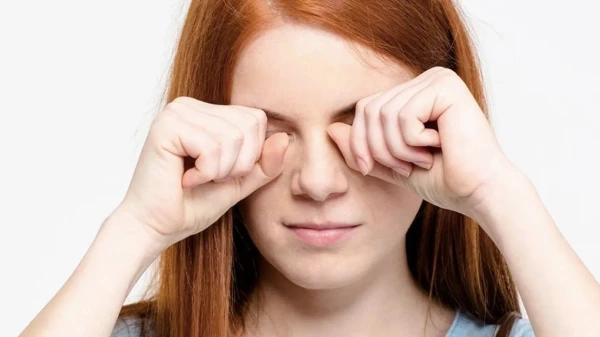
8. Fewer Tears
A decrease in intercellular fluid leads to reduced tear production: the eyes become more sensitive, irritation, and dryness occur.
9. Dull, "Tired" Skin
A lack of water worsens microcirculation, making the skin look less fresh, reducing its density, and causing characteristic dullness.
10. Mood Changes
A lack of fluid affects the levels of neurotransmitters and cortisol. This can manifest as anxiety, irritability, and an unstable emotional background without visible reasons.
How to Recognize Hidden Dehydration
The first signs appear with a slight fluid deficit. If you notice two or more symptoms, the risk of dehydration is high—especially in dry air, during physical activity, or when consuming coffee and alcohol. Pay attention to:
- Dark urine
- Infrequent urination
- Quick fatigue during normal activities
How to Restore Hydration
- Drink small portions regularly throughout the day, rather than two liters at once
- Eat foods high in water content (vegetables, fruits)
- Introduce electrolytes after physical exertion
- Monitor temperature and avoid hot environments
- Limit caffeine and alcohol















Leave a comment