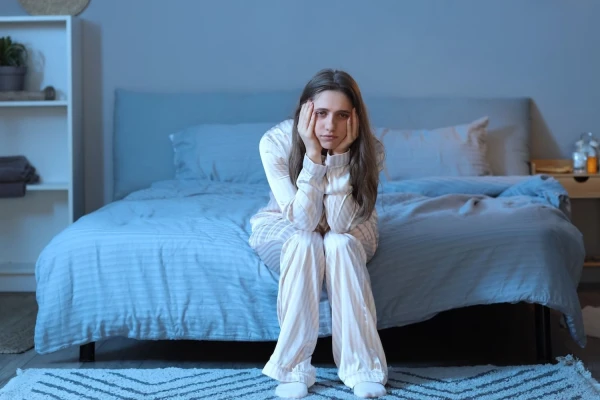
Disruption of circadian rhythms due to lack of light, temperature drops, and changes in diet significantly affect sleep during the cold season. Sleep specialist Maxim Novikov discussed how to combat insomnia in winter.
Key causes of insomnia: reduced daylight, low vitamin D levels, increased cortisol. Basic recommendations include daily light therapy in the morning, bedroom temperature of 18–19°C, complete darkness during sleep, and no blue light after 8:00 PM.
"Use a sleep mask and earplugs. Physical exercise should only be done during the day; in the evening, practice yoga and the 4–7–8 breathing technique (inhale for 4 seconds, hold for 7, exhale for 8). Have dinner 3 hours before sleep, avoiding alcohol and carbohydrates. Additionally: vitamin D3, magnesium glycinate, L-tryptophan. Chamomile, lavender, valerian, and other herbs should only be used as supplements. If experiencing depression, anxiety, daytime sleepiness, or sleep apnea, consult a sleep specialist immediately," said Novikov.
The doctor also advised turning off screens of devices 90 minutes before sleep, drinking warm milk, and doing breathing exercises. You can stand by the window for 1 minute—if there is outdoor light—let it reach your retina, even through the glass; this signals the brain to start a new circadian cycle.