
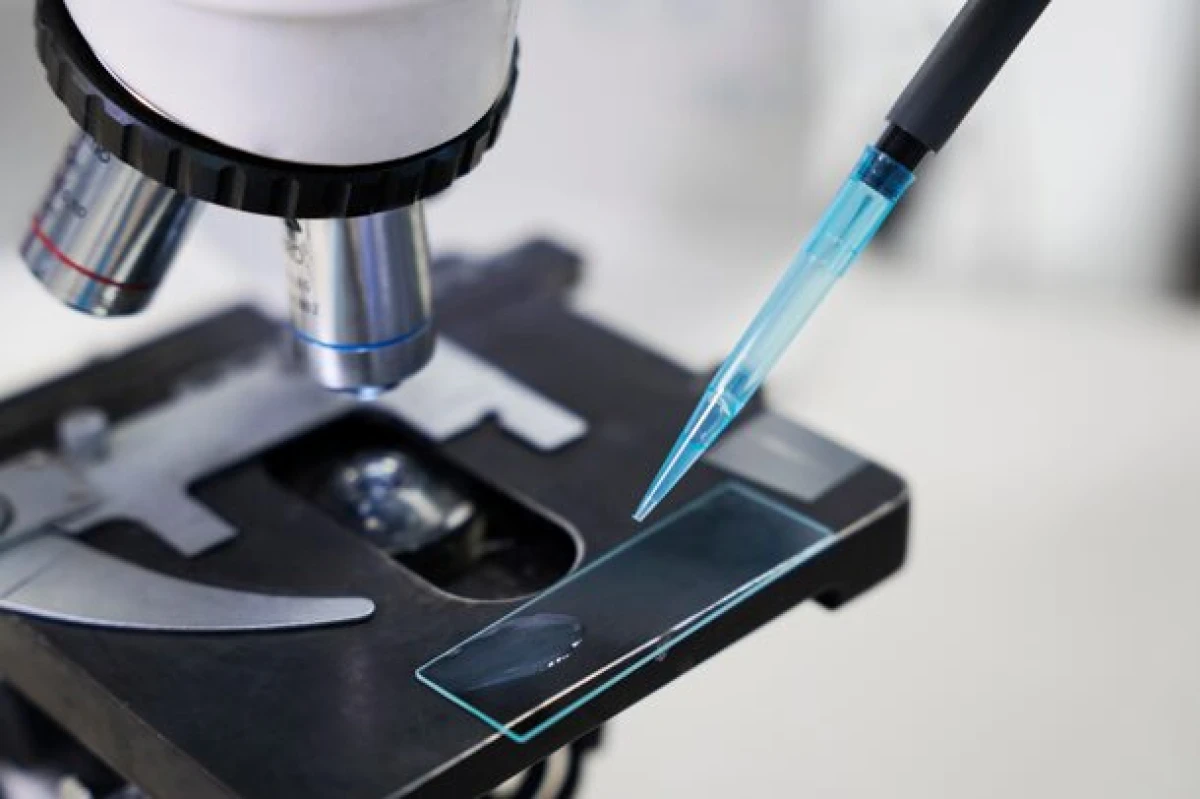
Researchers from Lund University have discovered that the ability of cancer cells to spread depends not only on genetic mutations but also on the physical density of the surrounding tissue, opening new prospects for combating the disease.
Researchers from Lund University in Sweden have made an important discovery: the spread of cancer throughout the body may be related not only to mutations in cells but also to their physical environment. They found that the stiffening of tumor tissue can directly accelerate the process of metastasis. This discovery changes our understanding of the development of oncological diseases.
Mechanism of Aggression in Cancer Cells
During laboratory studies conducted on 3D models of breast tissue, the researchers identified a key mechanism that triggers aggressive behavior in cancer cells. When the tumor microenvironment becomes stiffer, the cells receive a specific mechanical signal. This signal activates a whole chain of proteins responsible for mechanosensitivity.
This chain includes integrin receptor β1, signaling protein FAK, and ion channel Piezo1. When activated simultaneously, cancer cells change their shape and begin to invade surrounding healthy tissues much more actively. This explains how physical changes influence cellular aggression.
Reversibility of the Process and Window for Intervention
It turned out to be critically important that this process is reversible. When the scientists were able to reduce the stiffness of the artificial tissue, the ability of cancer cells to invade completely ceased. This indicates the existence of a so-called "window for intervention" in the early stages of tumor development.
During this period, mechanical changes in the tumor can still be reversed, preventing irreversible consequences. Understanding this "window" offers hope for the development of new treatment strategies.
Role of Fibroblasts and Epigenetics
A second study conducted by the same research group revealed another important aspect. Prolonged presence in a dense environment changes not only the cancer cells themselves but also their "helpers" — fibroblasts. These connective tissue cells transition into a persistently activated state.
Activated fibroblasts continue to stimulate tumor growth even if they are returned to softer conditions. The reason for these changes lies not in genetic mutations but in epigenetic rearrangements, that is, in the alteration of DNA packaging in the nucleus. Such epigenetic changes can persist for a long time, maintaining a cancer-friendly environment.
New Horizons in Therapy
These significant discoveries underscore the immense importance of the physical properties of the tumor microenvironment for disease progression. Understanding how tissue stiffness governs cell behavior opens entirely new prospects for the development of innovative therapies.
New approaches may target not only the destruction of cancer cells themselves but also the alteration of their physical environment. The results of this groundbreaking work were published in the prestigious journal Advanced Science.














Leave a comment