
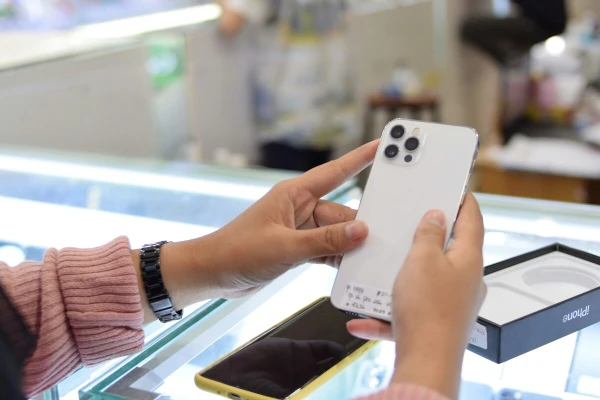
The price of memory is increasing for all industries, including mobile devices.
Artificial intelligence has become a key element of modern smartphones. It enhances photos, creates texts, and helps plan meetings. However, on the other hand, each new feature requires more memory and faster chips. This is where the problem begins.
Moreover, the demand for such components is rapidly growing. Smartphone manufacturers are competing for memory with global AI data centers. These centers work with huge language models and image generators, so they are buying up high-performance HBM chips, reports zdfheute.de. As a result, the price of memory is increasing for all other industries, including mobile devices.
Why the Memory Shortage Is Already Being Felt
Technical specialists note that the cost of all types of memory is rising. According to expert Wolfgang Pauler, even the unchanged amount of memory costs manufacturers significantly more than a year ago.
Especially, the price of RAM is increasing sharply. It is responsible for the speed of applications and the execution of AI functions directly on the device. Thus, any increase in component prices quickly reflects on the cost of smartphones.
What Awaits the Smartphone Market in 2026
The Bitkom Association, which deals with Germany's digital industry, estimates future prices. The average smartphone in 2026 may cost around 646 euros. This is about 20 euros more than the previous year. However, as experts note, the price increase may intensify.
Manufacturers have not yet fully incorporated the rising memory prices into the final cost of devices. Consequently, buyers may see further price increases as the market develops.
At the same time, people are keeping their devices longer. Currently, the average ownership period for a smartphone is about 25 months. This is due to manufacturers extending software support, and the differences between generations of devices have become less significant. Meanwhile, the mobile market remains one of the largest: the annual turnover of smartphones in Germany reaches 12 billion euros.
Why AI Is Driving Up Prices Not Only for Mobile Devices
It is important to understand that the memory shortage affects not only smartphones. A similar situation is observed in the server, graphics card, and computer sectors. Chips for AI data centers remain the most profitable for manufacturers. Therefore, they are produced first. This creates a shortage of memory for other devices and drives up prices.














Leave a comment