
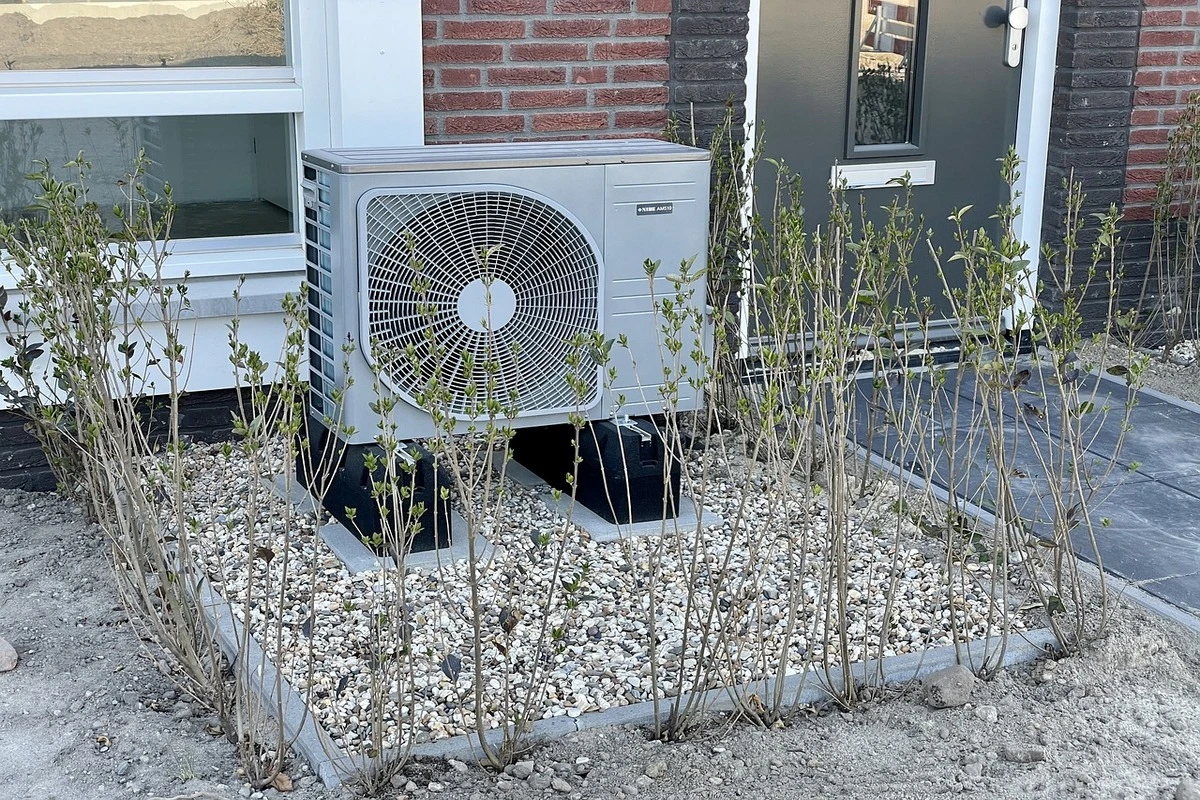
Gas is rapidly losing ground.
Gas is gradually giving way to new technologies. By 2025, almost three-quarters of new residential buildings in Germany will be heated by heat pumps, while the share of fossil fuels continues to decrease.
In just one year, around 58,900 residential buildings were put into operation in the country. Most of them are heated by heat pumps that draw energy from the air, ground, or underground heat sources.
Ten years ago, the situation looked different. In 2015, only 31% of new homes were heated by heat pumps. During this time, the figure has more than doubled.
The transition is particularly noticeable in the segment of individual housing. About 78% of new single-family and two-family homes built in 2025 will be heated by heat pumps.
Such systems allow for a reduction in gas consumption and a decrease in carbon dioxide emissions. Additionally, homeowners can combine heat pumps with solar panels and other renewable energy sources.
Today, 78.2% of new residential buildings in Germany primarily use renewable energy sources for heating. In 2015, this figure was only 38%.
What sources are considered renewable energy:
- air and ground heat pumps;
- pellet boilers;
- wood fuel heating;
- solar thermal energy;
- biogas;
- biomethane.
Thus, most new homes in Germany are no longer dependent on traditional fuels.
Gas is losing ground in the new construction market
Ten years ago, natural gas was the primary means of heating new homes. At that time, it was used in more than half of new buildings.
Now the situation has changed. In 2025, gas was used in just over 10% of new residential buildings. Centralized heating, known in Germany as Fernwärme, ranks third. This system provides heat to entire districts and is used in more than 8% of new constructions.
Oil heating has virtually disappeared. Its share among new homes is only 0.3%.
The old housing stock is still not heated by heat pumps
Despite the popularity of new technologies, most existing homes in Germany continue to use gas and oil.
According to the 2022 census data, natural gas remains the main source of heating for 53.9% of residential buildings. Another 24.7% of homes use oil. The share of renewable energy sources in the existing housing stock is just over 10%.
This shows that new homes are increasingly heated by heat pumps; however, the modernization of old housing is progressing much more slowly.
What is happening with the heating law
Heating homes remains one of the key topics in Germany's climate policy. The construction sector accounts for about a third of all CO₂ emissions in the country.
The previous government from the coalition of SPD, Greens, and FDP promoted the Heizungsgesetz law. Its goal was to gradually phase out heating with fossil fuels.
What has changed in the rules
- the mandatory requirement to use at least 65% renewable energy in new heating systems has been canceled;
- homeowners have more options when choosing heating;
- the transition to environmentally friendly technologies has become less strictly regulated by the government.
At the same time, statistics show that the market continues to move towards eco-friendly solutions. Even after the legislative changes, most new homes in Germany are heated by heat pumps.
















Leave a comment