The collaborative work of biochemical processes of mucus and additives creates a multi-layered system.
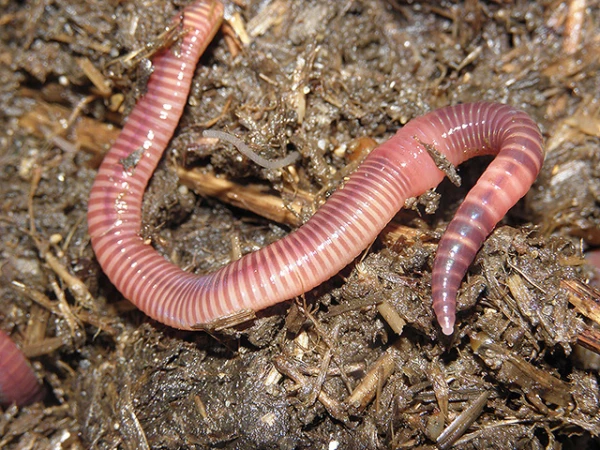
Earthworms can become allies in the fight against antibiotic resistance by turning manure into a safer and more beneficial organic fertilizer through vermicomposting. This natural, low-cost process uses earthworms and their microbes to transform raw manure into crumbly, stable vermicompost. Under controlled conditions of humidity, temperature, and nutrients, vermicomposting not only processes waste into fertilizer but also significantly reduces the number of antibiotic resistance genes. According to a review of studies, this method can decrease the overall number of resistance genes by 70–95% and mobile genetic elements by up to 68%, often outperforming traditional composting in effectiveness.
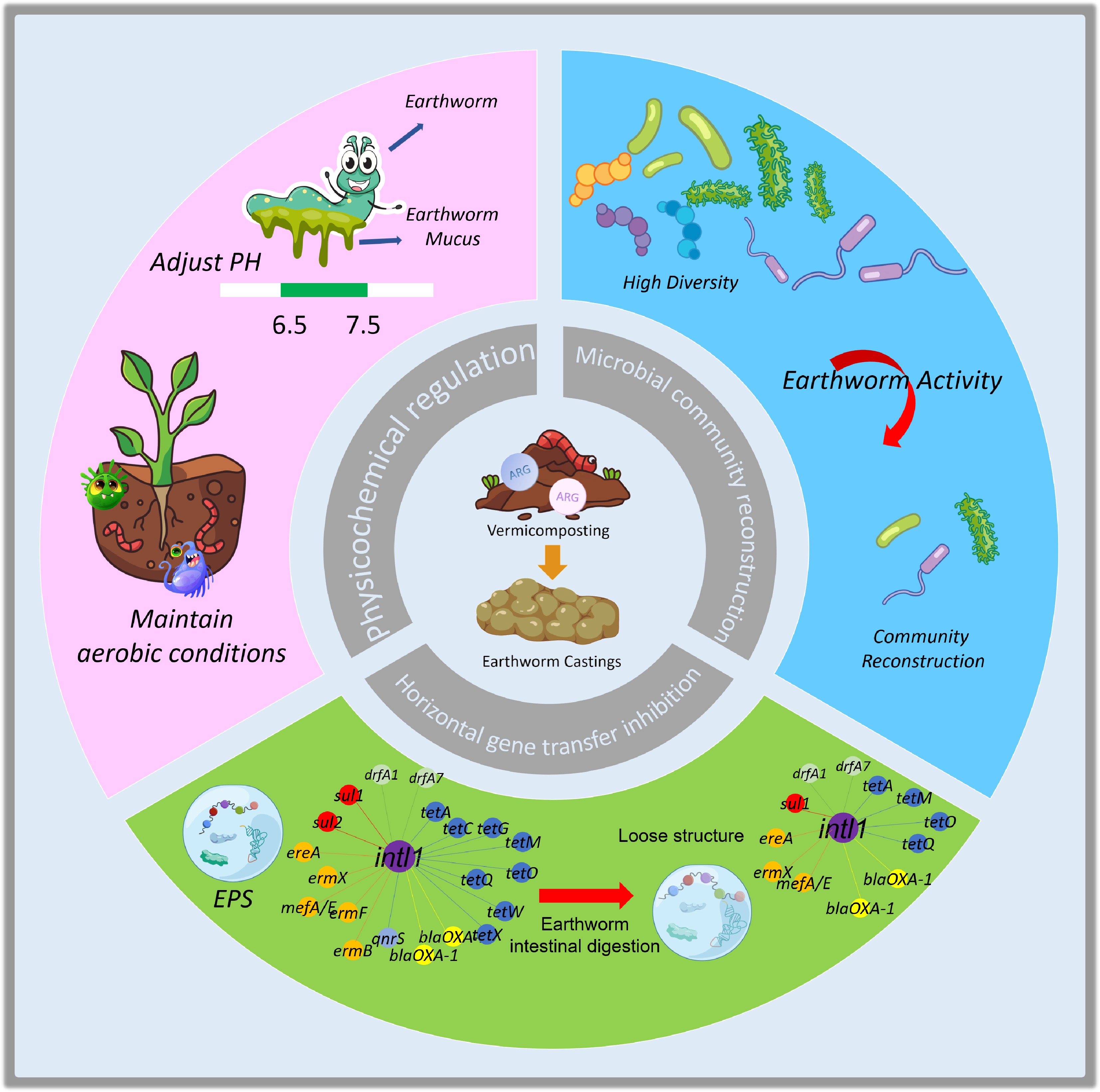
A Chinese study showed that vermicomposting acts as a comprehensive physical, chemical, and biological barrier against the spread of antibiotic resistance. Earthworms, by burrowing and consuming manure, increase its porosity and aeration, suppress anaerobic bacteria, and accelerate the breakdown of antibiotic residues. In the intestines of the worms, mechanical grinding, enzymes, and the microbiome destroy resistant bacteria and damage their DNA. Earthworms also alter the composition of the microbial community, reducing the proportion of opportunistic pathogenic bacteria with resistance genes and increasing beneficial microorganisms involved in organic decomposition and nitrogen fixation. Vermicomposting reduces the number of mobile genetic elements that transfer resistance genes between bacteria.
Epidermal mucus and coelomic fluid from the worms further disrupt bacterial membranes, create reactive oxygen species, and degrade resistance genes, as well as interfere with communication and expression of bacterial genes, weakening the connections between resistance genes and their carriers. The effectiveness of the method increases with additives such as biochar, zeolite, or clay minerals, which bind antibiotics and heavy metals, reduce stress for worms and microbes, accelerate organic decomposition, and remove resistance genes.
The collaborative work of worms, biochemical processes of mucus, and additives creates a multi-layered system that operates from molecules to ecosystems, allowing for a stable reduction in the number of resistance genes and the production of quality organic fertilizer that improves soil structure, moisture retention, and plant nutrition.
<iframe width="560" height="315" src="https://www.youtube.com/embed/6zwJN0Ri7Pg?si=PETWCNXw2LyB6YFz" title="YouTube video player" frameborder="0" allow="accelerometer; autoplay; clipboard-write; encrypted-media; gyroscope; picture-in-picture; web-share" referrerpolicy="strict-origin-when-cross-origin" allowfullscreen></iframe>