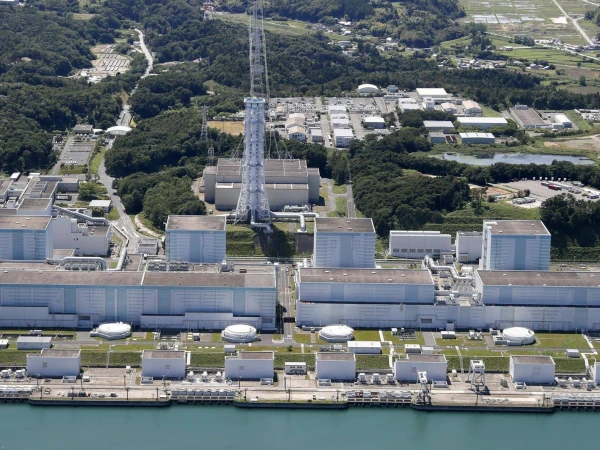
Tokyo Electric Power (Tepco) has resumed operation of one of the seven reactors at the Kashiwazaki-Kariwa Nuclear Power Plant, which is considered the largest in the world by installed capacity.
Reactor No. 6 with a capacity of 1.36 GW was commissioned on January 21, according to a press release. The launch was initially scheduled for January 20, but was postponed due to a malfunction detected in the alarm system.
Japan halted the operation of all 54 reactors after the 2011 accident at the Fukushima Daiichi Nuclear Power Plant, which is also operated by Tepco. Over the past decade, some of them have been restarted: with the inclusion of Kashiwazaki-Kariwa, the number will reach 15 out of 33 reactors that remain operational.
Reactor No. 6 is expected to be put into commercial operation by the end of February. It provides power supply to the Tokyo area - the busiest region in Japan.
The commissioning of Reactor No. 7 is expected around 2030. The other five reactors are not operational.
In March 2011, an earthquake occurred off the northeast coast of Japan, triggering a tsunami. The giant wave struck the Fukushima Daiichi Nuclear Power Plant, leading to the most significant accident since the Chernobyl disaster in 1986.