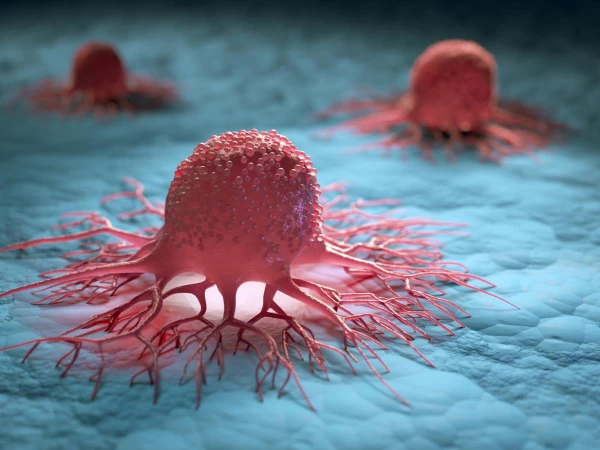
In still-living cells, some genes reach peak activity and produce proteins.
It is believed that a person dies when the heart stops beating. However, various chemical and physiological processes continue to occur in their body for a long time. Some cells even continue to function for many hours after death.
The heart is the engine of the entire organism, ensuring its vital functions through its work. Therefore, as everyone knows, when cardiac activity ceases, a person dies. However, unique chemical processes in their body do not stop for a long time, and at the cellular level, it essentially continues to live. Moreover, a true revolution occurs physiologically!
Autolysis is the first process to start, where cells dissolve under the action of their own hydrolytic enzymes. Due to a lack of oxygen, the brain shuts down, although there is a subsequent surge of activity that scientists have yet to explain.
Next, rigor mortis begins, followed by an influx of bacteria, tissue fermentation, and gas release until complete decomposition. In fact, our cells continue to function even after death, with some remaining active for more than 14 hours post-mortem.
After 30 Seconds
Without oxygen, the body switches to an "energy-saving" mode. Cells reduce their activity, for example, interrupting connections between neurons. The electrical activity of the brain declines, and the person loses consciousness. Then, as a result of final mutations, neurons exit their inhibitory state and release all accumulated energy, manifesting as a peak in electrical activity.
After 4–5 minutes post-mortem, the body's cells begin to break down due to oxygen deprivation. They produce carbon dioxide, which breaks down enzymes in their own cytoplasm. As these enzymes are released, they begin to dissolve the cells from the inside, leading to autolysis. This process causes irreparable damage to the brain.
After 30 Minutes
Organs fail one by one as their cells die: first the liver, rich in enzymes, then the pancreas and kidneys.
After One Hour
Body temperature decreases on average by 1 °C per hour during the first day, reaching the temperature of the surrounding environment.
After Two Hours
Calcium, necessary for muscle contraction, accumulates in muscle cells as it is no longer expelled from the body. All muscles stiffen—first the neck, eyelids, and jaw. Then, rigor mortis gradually spreads throughout the body over approximately 12 hours.
After Seven Hours
The study results published in Nature Communications show that in still-living cells, some genes reach peak activity and produce proteins that help cells cope with stress or transport oxygen. This continues for up to 14 hours after death.
After Twelve Hours
Under the influence of gravity, blood pools in the lower parts of the body, and the skin in these areas turns blue or purple. Dried skin shrivels, creating the impression that nails continue to grow. In men, sperm remain viable for up to 36 hours after death.
After Thirty-Six Hours
Bacteria in the body, especially in the intestines, are no longer controlled by the immune system. They first invade the digestive tract and then spread to the liver, spleen, heart, and finally the brain. It takes about 58 hours to reach all organs.
These bacteria produce gas, causing the abdomen to swell and facial swelling to occur. They also give the corpse a greenish hue, and the body, once rigid, becomes soft.
After Seventeen Days
A study conducted in 2012 showed that muscle stem cells, whose metabolism is minimized, are still alive 17 days after death.
After One Month
Worms can digest up to 60% of a corpse exposed to insects within the first week, after which only the skeleton remains. Decomposition of a corpse in a coffin can take about ten years.
After Two Years
Bones turn to soil if left on the surface. If buried, they can remain for millions of years.
The study results were published by Nature Communications—a peer-reviewed open-access scientific journal published by Nature Research since 2010. The journal publishes materials covering the natural sciences, including physics, chemistry, earth sciences, medicine, and biology. The journal has editorial offices in London, Berlin, New York, and Shanghai.
<iframe width="560" height="315" src="https://www.youtube.com/embed/n4f_wwTeJPo?si=uA1dxDueCGe69AW2" title="YouTube video player" frameborder="0" allow="accelerometer; autoplay; clipboard-write; encrypted-media; gyroscope; picture-in-picture; web-share" referrerpolicy="strict-origin-when-cross-origin" allowfullscreen></iframe>