
In the future, scientists plan to test the effectiveness of this approach.
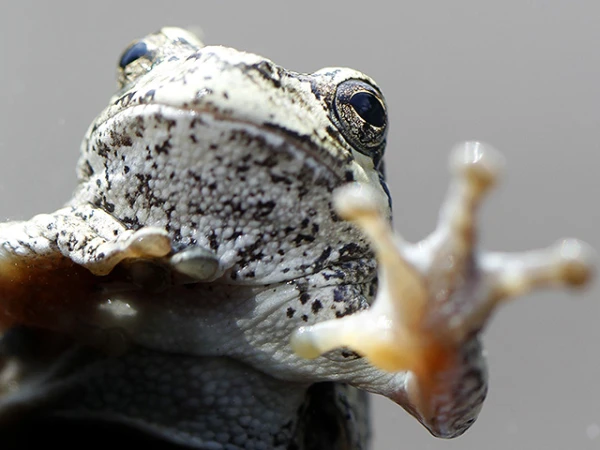
Scientists from the Japanese Institute of Advanced Science and Technology have discovered an unusual anti-cancer property of the bacterium Ewingella americana, isolated from the intestines of the Japanese tree frog Dryophytes japonicus. The results of the study were published in the international scientific journal Gut Microbes and open up a fundamentally new approach to bacterial therapy for oncological diseases.
In recent years, the connection between the gut microbiota and cancer development has been actively studied; however, most research has focused on indirect effects, such as changes in microbiome composition or fecal microbiota transplantation. In this case, a different approach was applied, based on the isolation of specific bacterial strains, their cultivation, and subsequent direct introduction into the body for targeted action on the tumor.
During the study, scientists isolated forty-five strains of bacteria from the intestines of Japanese tree frogs, Japanese fire-bellied newts Cynops pyrrhogaster, and Japanese grass lizards Takydromus tachydromoides. After systematic selection, nine strains demonstrated pronounced anti-tumor activity, with Ewingella americana showing the most impressive therapeutic effect. In an experimental model of colorectal cancer in mice, a single intravenous administration of this bacterium led to the complete disappearance of the tumor, significantly surpassing the results of standard treatment methods, including immunotherapy using PD-L1 antibodies and chemotherapy with liposomal doxorubicin.
The anti-cancer action of Ewingella americana is based on a combination of two complementary mechanisms. On one hand, the bacterium has a direct cytotoxic effect. Being facultatively anaerobic, it selectively accumulates in the hypoxic environment of the tumor and directly destroys cancer cells, rapidly increasing its numbers within the tumor tissue. On the other hand, the presence of bacteria actively stimulates the immune system. There is an increased influx of T and B lymphocytes, as well as neutrophils, to the tumor area, which begin to produce pro-inflammatory cytokines such as tumor necrosis factor alpha and interferon gamma. These signaling molecules enhance the anti-tumor immune response and trigger apoptosis of malignant cells.
Particular interest lies in the ability of Ewingella americana to selectively accumulate in tumor tissues while practically not affecting healthy organs. This specificity can be explained by several factors. The hypoxic microenvironment of the tumor favors the proliferation of anaerobic bacteria. Immunosuppressive mechanisms associated with the expression of the CD47 protein by cancer cells create a local niche for the survival of microorganisms. Additionally, the abnormal, highly permeable vascular network of the tumor facilitates the penetration of bacteria, while the metabolic changes characteristic of tumor tissue further support their growth.
A comprehensive safety assessment showed that Ewingella americana is quickly cleared from the bloodstream and does not form stable colonies in vital organs such as the liver, spleen, lungs, kidneys, and heart. Only transient mild inflammatory reactions were observed, which resolved on their own within a few days. No signs of chronic toxicity were detected during the long-term observation.
Thus, the study confirmed the promise of a new direction in cancer treatment based on the use of natural bacteria with high tumor selectivity. In the future, scientists plan to test the effectiveness of this approach for other types of malignant tumors, including breast cancer, pancreatic cancer, and melanoma, optimize methods of bacterial administration, and explore the possibilities of combining bacterial therapy with existing methods of immunotherapy and chemotherapy.















Leave a comment