Former U.S. special envoy for Ukraine Keith Kellogg believes that Russia currently does not have sufficient forces to expand the war to the Baltic states or Poland. In his opinion, the serious losses suffered by the Russian army in Ukraine have significantly limited its capabilities.
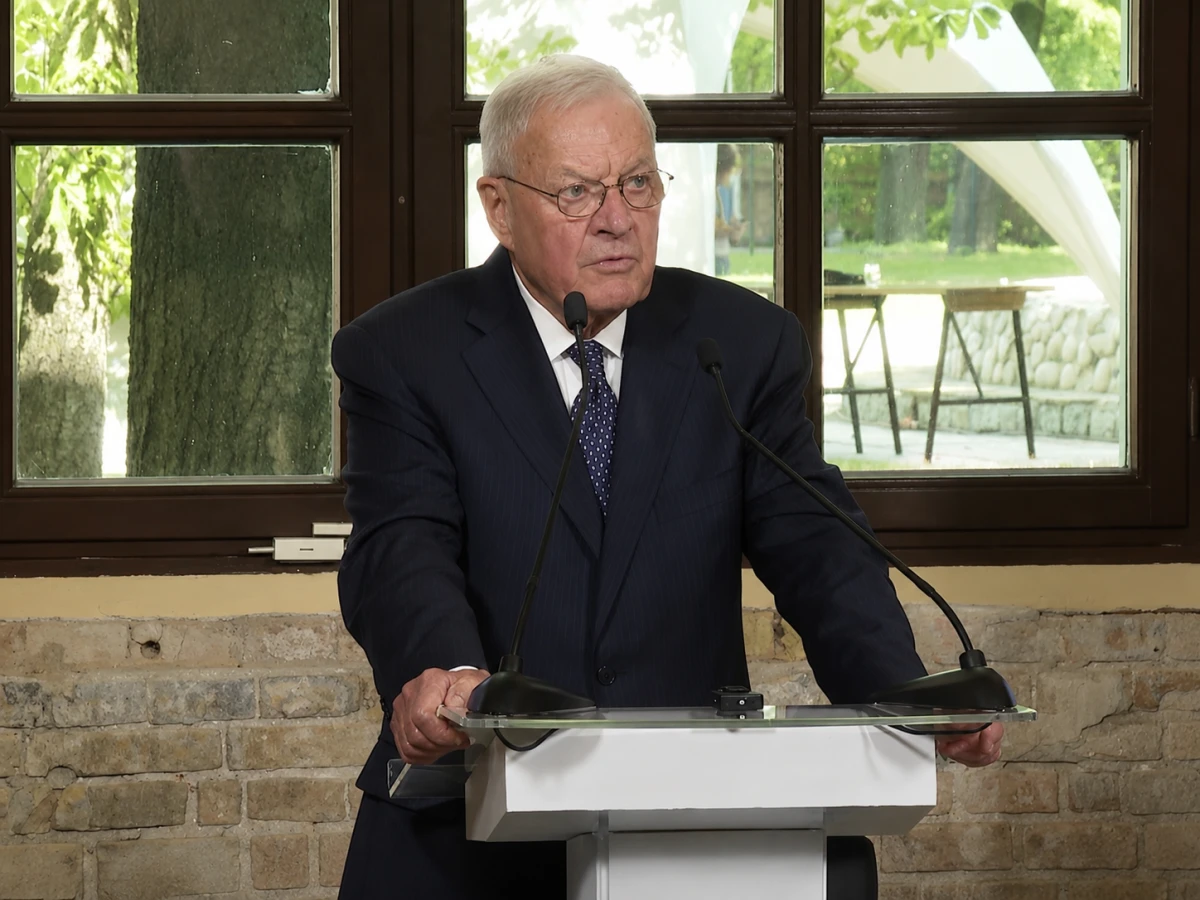
In an interview with Latvian television, American diplomat and retired General Keith Kellogg stated that residents of the Baltic states should not succumb to the most alarming scenarios of events.
“ I think the Baltics are safe right now, and those who are painting negative scenarios should relax. Everyone needs to calm down a bit,” Kellogg said.
In his assessment, Russia currently does not have sufficient military potential to open a new front against NATO countries.
“I do not believe that Putin has the forces to go into the Baltics or Poland and expand the war he is currently waging. He does not have enough combat potential,” the diplomat noted.
Kellogg believes that the key role in this has been played by Ukraine's resistance.
According to him, during the full-scale war, the Ukrainian army has inflicted serious damage on the Russian armed forces and significantly reduced their offensive capabilities.
During the interview, the diplomat also touched on the role of the U.S. in ensuring European security. In his opinion, the main factor in deterrence remains a convincing demonstration of American strength.
“The world is safe when the U.S. is strong. If U.S. strength inspires confidence, the aggressor is deterred,” he emphasized.
Kellogg also warned against a scenario in which Russia could achieve its goals diplomatically that it could not achieve on the battlefield.
He separately commented on discussions about a possible reduction of the American military presence in Europe. According to him, despite disagreements between the U.S. and European allies on certain international issues, there is currently no basis to talk about withdrawing American troops from Europe.
“I don’t think the president is angry with Europe. He is just emphasizing that partnership entails responsibility on both sides,” Kellogg said.
Speaking about Washington's current foreign policy priorities, the diplomat acknowledged that a significant portion of the U.S. administration's attention is now focused on the situation surrounding Iran.
However, he believes that this does not mean a withdrawal from the Ukrainian direction. Moreover, according to Kellogg, U.S. activity in the Middle East demonstrates to Russia Washington's ability to exert pressure simultaneously in several directions.
Although Kellogg no longer holds an official position as a negotiator on Ukraine and Russia, his assessments continue to attract attention both in Washington and in European capitals due to his previous involvement in shaping American security policy.
The diplomat's statements came against the backdrop of ongoing discussions about the security of NATO's eastern flank and the role of the U.S. in protecting the Baltic states.