
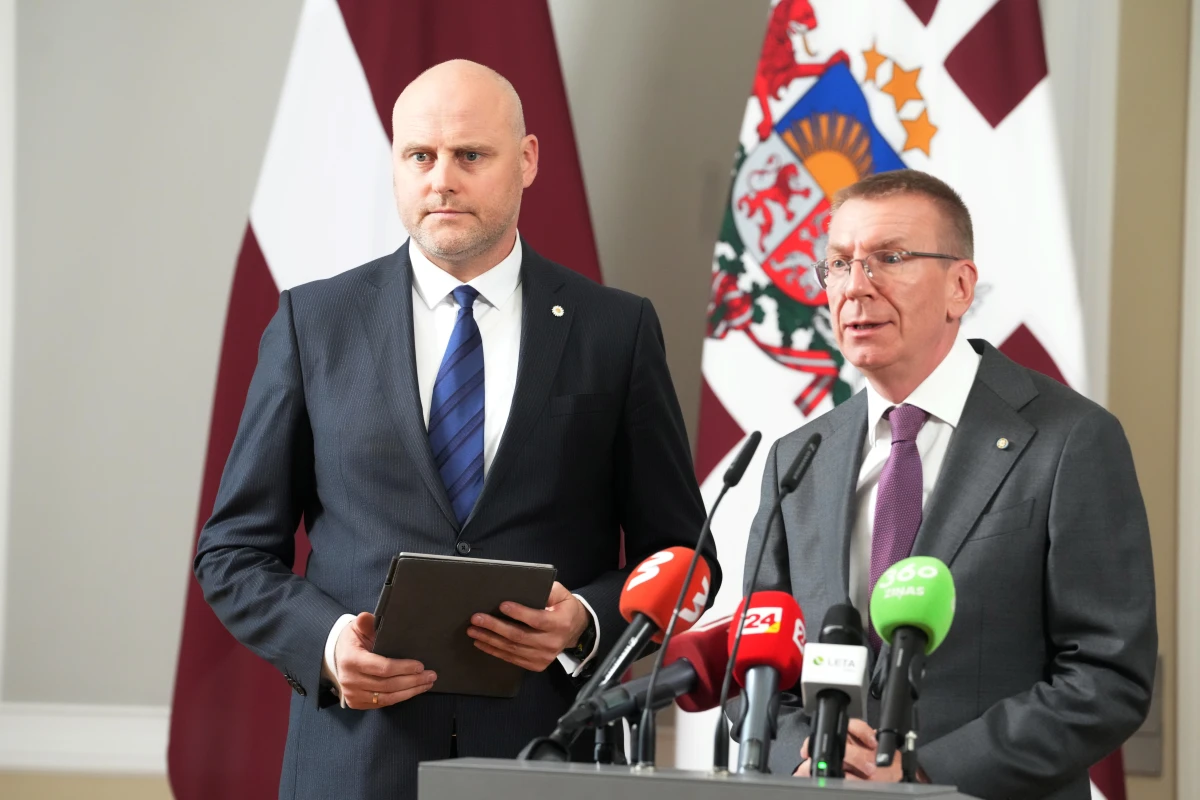
In Latvia, governments typically "live" for 2-2.5 years on average. This time was no different — Siliņa's government lasted even longer — 2 years and 8 months. The only exception is that usually, governments do not collapse within 4.5 months before elections: ruling politicians already hate each other, but still tolerate one another, understanding that there is no way out — they need to hold on until the elections...
There is a "bucket" of the coalition!
This time it happened differently — as we have already reported, the "Progressives" party refused to continue supporting Prime Minister Evika Siliņa, and she resigned last Thursday.
And here the president stepped in, who, according to the Constitution, has the exclusive right to propose a candidate for prime minister. Rinkēvičs concluded that although elections are approaching, there is still an opportunity to form a new functioning government and not leave the country for several months with Siliņa's outgoing government, which is also missing two ministers — defense and agriculture. It should be noted that Rinkēvičs' conviction in the necessity of creating a new government was supported by the right-wing parties, which immediately announced that they were forming the "core" of the future coalition. The "core" includes the National Alliance, the United List, and the Union of Greens and Farmers.
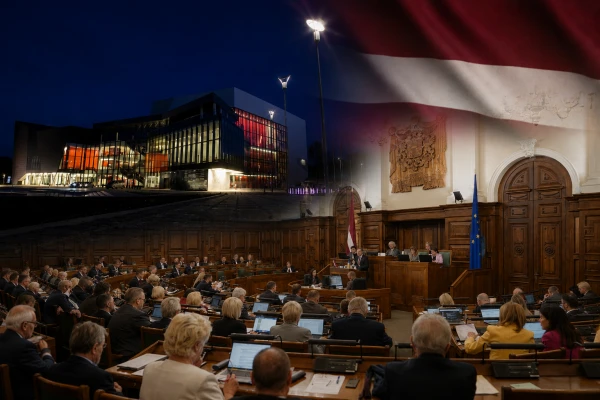
It is worth emphasizing: the elections will take place on October 3, but the earliest the next government can be approved is November 3. On this day, the 15th Saeima will convene for its first session. However, recent history in Latvia knows very few cases where parties managed to agree on the formation of a new government before the new parliament began its work. Usually, the process drags on until December, and sometimes even until January-February. This means that the government, which may be formed in the next couple of weeks, will work for at least 6 months. This is not insignificant in the current situation!
Urgent candidate for prime minister
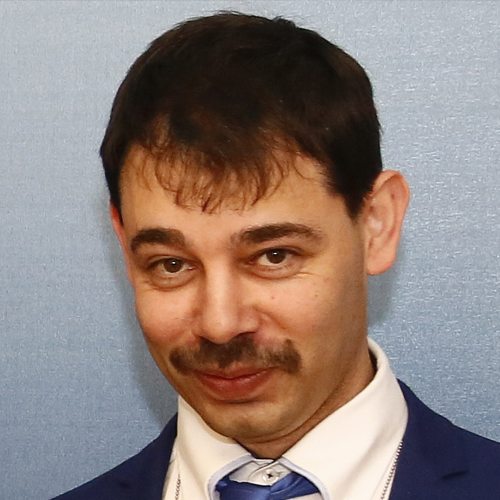
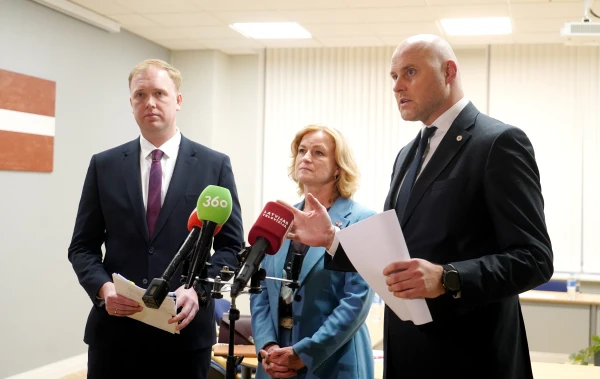
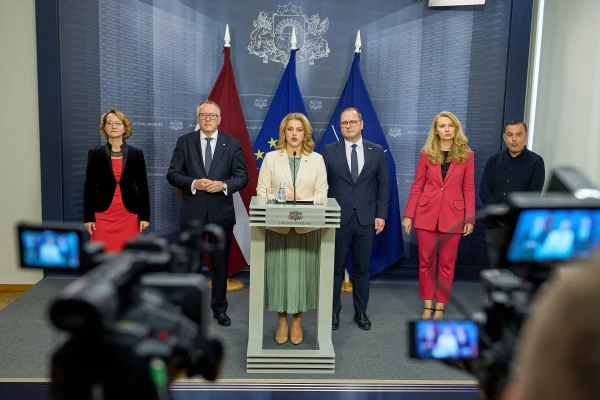
Last Friday, the president held the first consultations — with each parliamentary faction individually. On Saturday, the head of state gathered all representatives of parliamentary parties together. After a brief discussion of the goals and tasks of the new pre-election government, Rinkēvičs held a press conference where he proposed a candidate for prime minister — 46-year-old entrepreneur Andris Kulbergs, a deputy from the United List. Kulbergs will go down in history as the fastest nominated candidate for prime minister — the United List designated him as a candidate before the elections and after the elections on Thursday, May 14, and already on Saturday, May 16, the president made his choice on him.
Rinkēvičs had to choose from three candidates for prime minister — alongside Kulbergs, the coalition's "core" also included Ilze Indrikson (National Alliance) and Viktors Valainis (Union of Greens and Farmers). As you can see, the "core" of the coalition could not agree on a single candidate, but all three parties agreed to support the candidate named by Rinkēvičs. Why did the head of state entrust the formation of the government to Kulbergs?
First, Rinkēvičs immediately concluded that it was necessary to give a representative of the opposition the opportunity to lead the country. Moreover, the "green farmers," who are part of this "core" of the coalition, found themselves at the center of a scandal involving the detention and dismissal of the Minister of Agriculture, one of the leaders of the Union of Greens and Farmers, Armands Krauze. It is clear that in this situation, the president would not risk entrusting the formation of the government to the "green farmers."
Second, Kulbergs represents the largest faction in the Saeima within this "core."
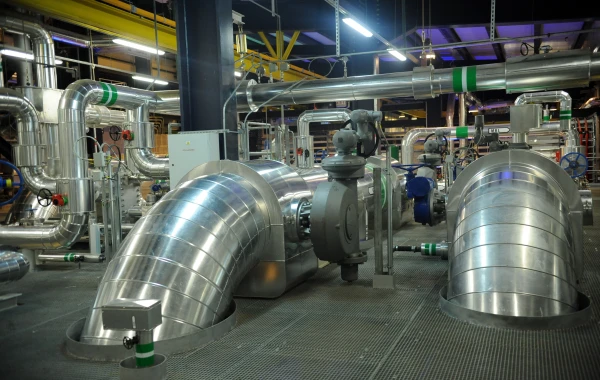
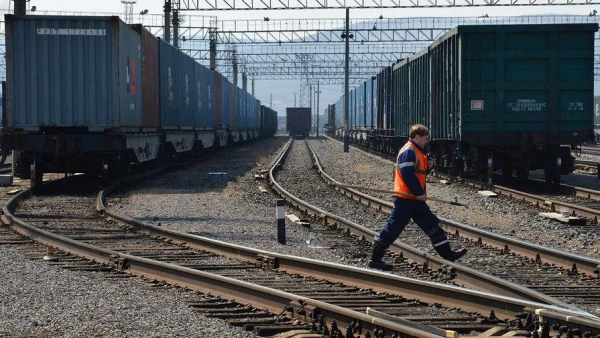
Third — Kulbergs is one of the most prominent figures in the Saeima: he headed the parliamentary investigative commission on Rail Baltica and is currently leading the parliamentary investigative commission examining the justification of heating tariffs in Riga.
An important aspect is that Andris Kulbergs, being a graduate of Concordia University in Tallinn, is fluent in English.
Let's survive until Monday
In any case, Kulbergs now has just one week to create the configuration of the future government — Rinkēvičs expects the candidate for prime minister to report on the work done by May 25. If all goes according to plan, the new government could be approved as early as next Thursday or Friday, that is, either on May 28 at the next plenary session or on May 29 at an extraordinary session.
There are four possible government options. The first option - the "core" of the coalition plus "New Unity." This is the most likely option, considering that "New Unity" has 25 mandates in the Saeima and leaving such a force in opposition before the elections would be risky.
The second option - the "core" of the coalition plus "New Unity" and "Progressives." And the third option - the "core of the coalition" plus "Progressives." These two options seem currently unfeasible, as the National Alliance is categorically against the participation of the "Progressives" in power. And Kulbergs is unlikely to sacrifice the nationalists for the ideologically alien "Progressives."
The fourth option is quite possible — a minority government consisting only of the "core" of the coalition. But in this case, Kulbergs and Co. will constantly depend on the goodwill of the opposition. Moreover, they will have to negotiate with it immediately — otherwise, such a minority government simply will not receive the Saeima's mandate. After all, the "core" of the coalition has only 43 votes in parliament.
In any case, let us dare to assume that Kulbergs will manage to create a new government. It is clear that the "united" will take both the post of Minister of Finance and the post of Minister of Defense.
The new government will undoubtedly face the strongest headache regarding the situation in airBaltic — unless a miracle occurs, by the fall, the government will need to address the issue of financial support for the national airline. This time, however, the amount will not be 30 million, but at least 150 million.




Leave a comment