
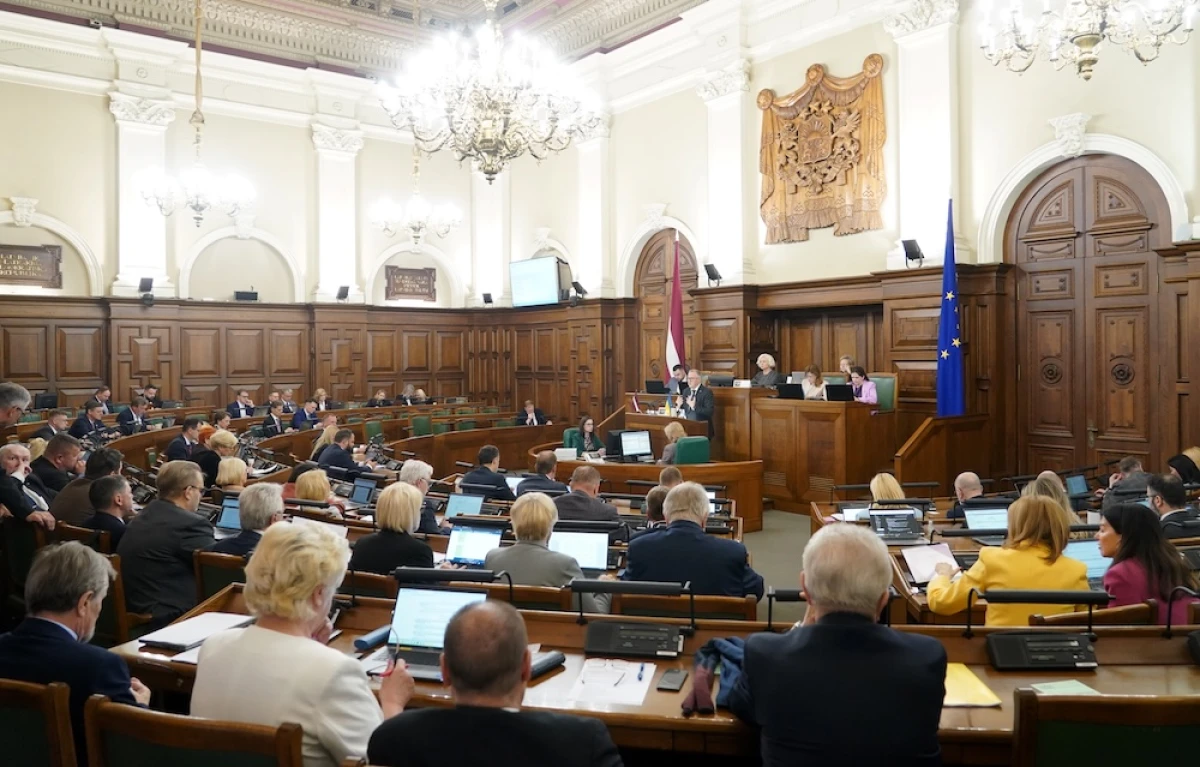
The Ministry of Economics' proposal to introduce a special payment for fuel companies for "excess profits" has faced serious resistance in the Saeima. Deputies doubt that the new measure will actually help reduce price pressure on residents.
The initiative by the Ministry of Economics to introduce a fee for excess profits for fuel traders unexpectedly came under fire not only from the opposition but also from within the ruling coalition itself.
Although the government had previously conceptually supported the idea, the advancement of the bill in the Saeima committees has effectively stalled. Deputies are demanding additional justifications and are skeptical that the proposed mechanism will work as its authors promise.
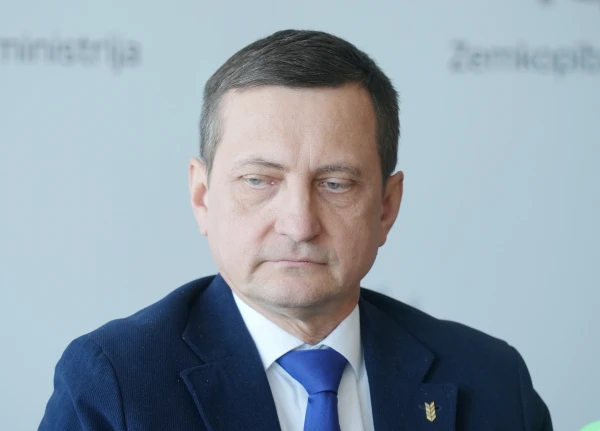
Economics Minister Viktor Valainis, representing the Union of Greens and Farmers, has no intention of retreating. According to him, the Ministry of Economics is ready to provide additional data if the parliament has remaining questions, LETA reports, citing public media.
At the center of the dispute is the mechanism for controlling fuel prices. The state wants to calculate a so-called "reference price" and compare it with the prices at gas stations. If the cost of fuel is more than 3% above the calculated level, companies will have to transfer the difference to the budget.
Moreover, the mechanism is planned to be activated not automatically, but by a government decision — in specific situations.
In fact, this is not just about a tax but also about possible government intervention in fuel market pricing. This is what causes the most debate among deputies and economists.
One of the harshest critics of the initiative has been Finance Minister Arvils Aseradens. He warned that the proposed model differs from the already applied tax on banks' excess profits and resembles an attempt to regulate prices.
This is an important point for car owners: it remains unclear whether the new scheme will lead to lower prices at gas stations or will merely serve as an additional financial tool for the state.
Deputy Andris Šuvajev from the "Progressives" also stated that the proposed mechanism does not guarantee achieving the main goal — reducing the impact of rising prices on residents.
In turn, National Alliance representative Arturs Butans reminded that in the case of banks, people at least felt the effect of government intervention. According to him, in the situation with fuel companies, residents may not see such results.
Currently, the bill has effectively been put on hold. However, the Ministry of Economics continues to insist on its advancement, and the discussion around fuel prices may become one of the most acute economic topics in the coming months.










Leave a comment