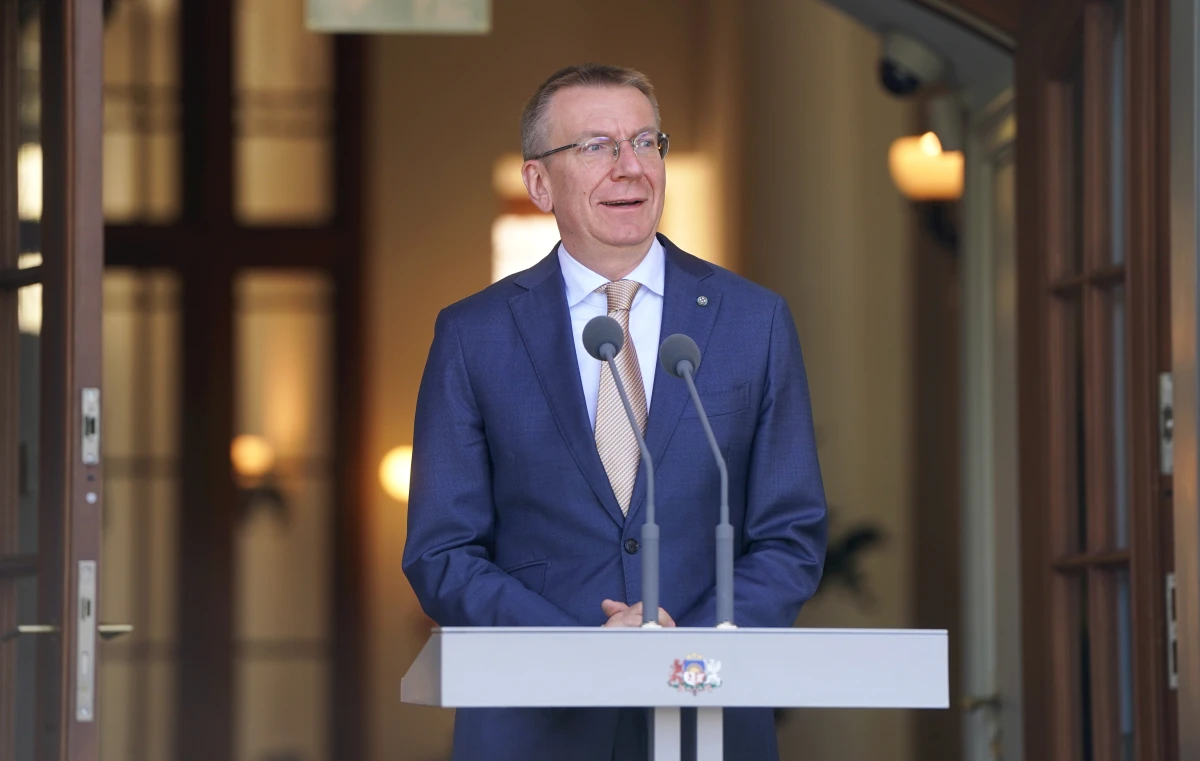
President of Latvia Edgars Rinkevics intends to start the process of forming a new government as quickly as possible following the resignation of Prime Minister Evika Silina. Consultations with all factions of the Saeima will take place on Friday.
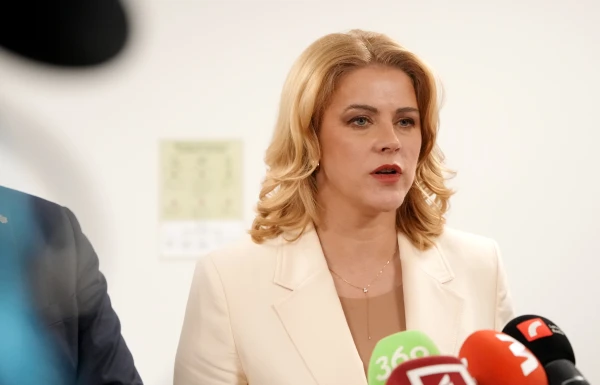
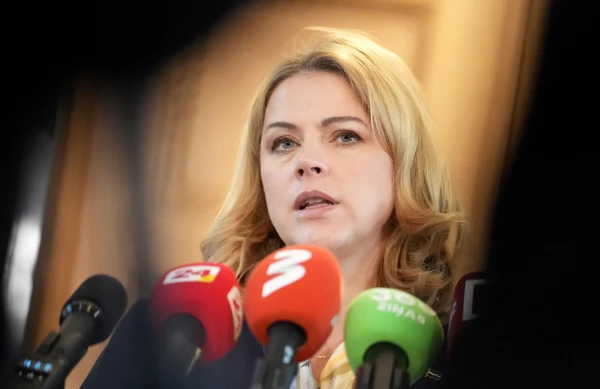
The political crisis in Latvia is entering a new phase. Following the official resignation of Prime Minister Evika Silina, President Edgars Rinkevics is beginning consultations with parliamentary parties on forming a new government.
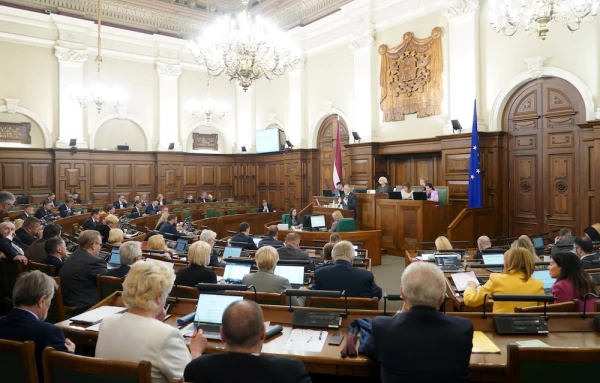
As President's advisor Martins Dregeris reported, on Friday at the Riga Castle, representatives of all factions of the Saeima will discuss the possibilities for the quickest possible formation of a new cabinet of ministers.
The president has already received Silina's resignation letter.
In fact, Latvia now finds itself in a situation where both the ruling coalition has collapsed and one of the loudest anti-corruption scandals in recent years has begun.
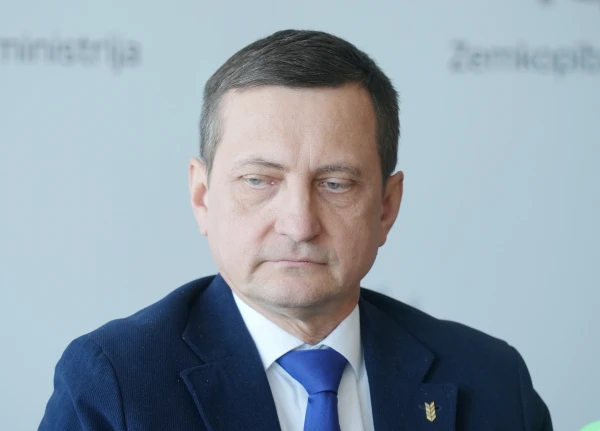
On the same day that the prime minister announced her departure, the KNAB, at the request of the prosecutor's office, detained Minister of Agriculture Armands Krauze and Director of the State Chancellery Raivis Kronbergs as part of a case concerning support for the timber industry.
Commenting on the detentions, the president's representative stated that Rinkevics trusts the work of law enforcement agencies. The head of state does not plan to provide more detailed comments for now.
The political crisis began to develop rapidly after the coalition member "Progressives" demanded to start consultations on a new government.
The party stated that the current cabinet of ministers has lost its effectiveness, and its continued operation is only possible after a change of prime minister or a new vote of confidence in the Saeima.
However, Silina herself had tried to preserve the coalition the day before and offered partners to continue cooperation.
Nevertheless, by Wednesday, the Union of Greens and Farmers effectively acknowledged that the government is no longer functioning and that the country needs a new political agreement.
The last point of conflict was the situation surrounding Minister of Defense Andris Spruds and incidents involving combat drones in Latgale.
After that, Silina announced a loss of confidence in the Minister of Defense, and Spruds resigned, taking political responsibility.
Now the main task for the president is to prevent a prolonged period of uncertainty before the parliamentary elections, which are only about five months away.
For residents, this means that intensive negotiations about a new coalition, a technical government, or a redistribution of power within the current parties may begin in the coming days.
Meanwhile, Latvia is entering one of the most unstable political periods in recent years — alongside the coalition crisis, security issues, and an anti-corruption investigation against high-ranking officials.