
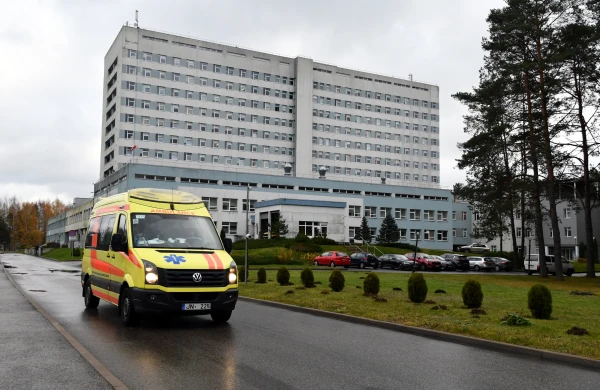
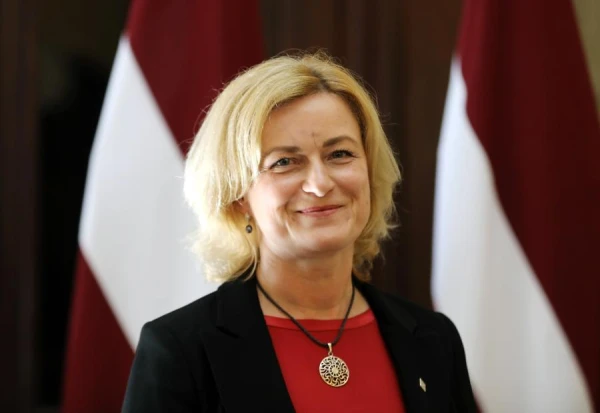
The hospital network reform is not a choice but a necessity, as we cannot continue to support a fragmented hospital system amid a shortage of medical personnel in the country, emphasizes Health Minister Hosam Abu Meri ("New Unity"), reports LETA.
According to the Ministry of Health (MoH), Abu Meri believes that funding alone is not enough to ensure the availability of services if there is a shortage of doctors and nurses.
"Additional funding for emergency departments has clearly shown that money alone cannot solve the problem," the minister noted.
Therefore, in his opinion, hospital services need to be organized "smartly and responsibly, concentrating personnel and competencies." In Latvia, especially in regions and border areas, resources are limited and must be focused to ensure quality and safe treatment. This is why the transition to a three-tier hospital model is inevitable, believes Abu Meri.
The minister reminds that the goal of revising the hospital network is to keep emergency care and therapy as close to people's homes as possible, while concentrating complex care in regional and multidisciplinary hospitals. According to him, the person is at the center of the reform, and the task is to ensure quick and quality access to care regardless of the place of residence.
As reported, today and tomorrow the Minister of Health is visiting Latgale, where he is personally meeting with the leadership and staff of medical institutions to hear current issues related to the implementation of the hospital development plan, said MoH representative Oskars Schneider.
The minister will visit the Ludza Medical Center, participate in the opening of an Emergency Medical Service (EMS) point in Indra, and also visit hospitals in Krāslava, Preiļi, and Līvāni.
During the meetings, it is planned to discuss current industry issues, outline healthcare priorities for this year, and address hospital funding questions.
The opening of the EMS point in Indra is one of the central events of the visit, as the eastern border region is in a special situation in terms of security, and access to medical care here is not only a social issue but also a matter of state resilience, emphasizes the MoH.
Strengthening the potential of the EMS is especially important for ensuring the responsiveness of the service in the regions. Work on creating new points and improving existing infrastructure continues to enhance response times and staff safety, the ministry notes.
This visit continues a series of regional meetings aimed at ensuring that healthcare policy decisions are based on the real situation in medical institutions, explains the MoH.
As reported, this year in healthcare it is planned to strengthen maternal and child health protection, improve the hospital network and the quality of inpatient services, reduce patient waiting times, improve access to medications, and implement new digital solutions.
The MoH reminds that the goal of developing the hospital network is sustainable, safe for patients, and accessible inpatient care throughout Latvia. It is emphasized that all hospitals will continue to provide services to their residents.
Separate negotiations will be held with each hospital, and it will be assessed individually, taking into account the needs of the local community, regional characteristics, and demographic situation, especially in border areas, which is important for national security.
The planned transition from five to three levels of hospitals will help patients better understand which services can be obtained closer to home and in which cases specialized assistance will be required at a higher-level institution. Patient safety and service quality are among the main aspects of the reforms, emphasizes the MoH.
As previously reported, local government leaders have been promised to seek individual solutions for each regional hospital to avoid reducing current funding, confirmed LETA by the executive director of the Association of Regional Development Centers and Regions (RACA) Vents Armand Krauklis (party "Vidzeme").
RACA sent an official letter to the Minister of Health calling for an urgent meeting regarding the planned significant reduction in funding for regional hospitals this year.
Local governments express concern over the MoH's information that regional hospitals may face a substantial reduction in funding for inpatient services. In their opinion, such a decision creates direct risks to the availability of medical assistance in the regions, undermines previous investments in hospital development, and may lead to an outflow of medical personnel from the regions. At the same time, it will increase the flow of patients to Riga and further burden university hospitals.
The head of the Latvian Hospital Society, Evgeny Kaleis, also expressed concern over significant funding cuts in several institutions, including Cēsis, Ventspils, and Madona.
The Latvian Trade Union of Health and Social Care Workers (LVSADA) also opposed the course of the hospital network reform. The union pointed out that during the public discussion of the information message, industry representatives were formally involved, and their objections and clarifications were "declaratively noted as taken into account." At the same time, the final version of the document still lacks in-depth analysis, clear criteria, and specific measurable solutions that would allow for an objective assessment of the impact of the planned changes, believes LVSADA.





Leave a comment