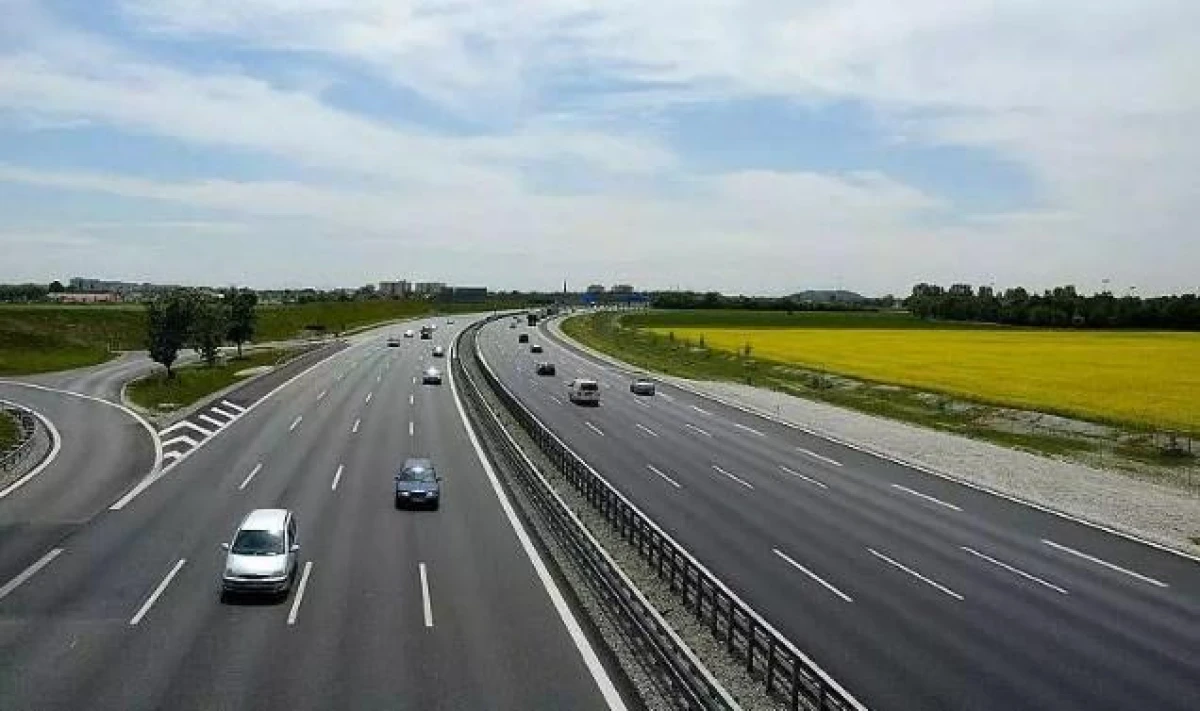
Half, or 51% of residents of Latvia believe that the priority for the development of the transport sector should be the faster construction of main highways, according to a survey conducted by the Estonian Association of Infrastructure Construction and the research center "Norstat."
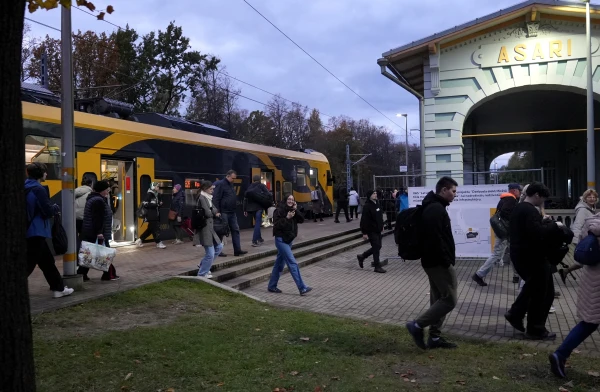
In turn, 38% of residents of Latvia consider the acceleration of the construction of the "Rail Baltica" railway line a priority for the development of the transport sector.
The implementation of this project was identified as a priority by 57% of respondents aged 18 to 29 and 45% of respondents aged 30 to 39.
In turn, the modernization of the main highways was primarily considered a priority by older people - in the group aged 60 to 74, their number was 54%.
Tarmo Trey, a representative of the Estonian Association of Infrastructure Construction, notes that residents of Latvia expect safer and faster connections, including improvements to highways and progress in the construction of "Rail Baltica." "These projects are also important for Estonia, as the Baltic transport corridor only functions effectively when each section develops at a similar pace. Latvia's decisions also affect communication with the rest of Europe, the movement of people, cargo flows, and the security of the region," he emphasized.
Trey noted that it is currently important for all Baltic countries that Latvia progresses with the implementation of these projects as soon as possible, as this is essential for ensuring the necessary connection to Europe. "If one country lags behind in implementing infrastructure projects, it directly affects the other countries, so Latvia needs to make timely decisions regarding financing and construction to ensure that the development of transport connections proceeds significantly faster than it has so far," he pointed out.
The survey was conducted at the end of May this year, with 1,000 residents of Latvia aged 18 to 74 participating.
As reported, Estonia's State Auditor Janar Holm stated in early June that Latvia's inability to complete "Rail Baltica" by the planned deadline of 2030 will inevitably incur costs for Estonia as well.
Holm noted that Latvia objectively does not have a real opportunity to complete its railway section on time, and the amount of funding that needs to be allocated for this project in a short period is quite significant.