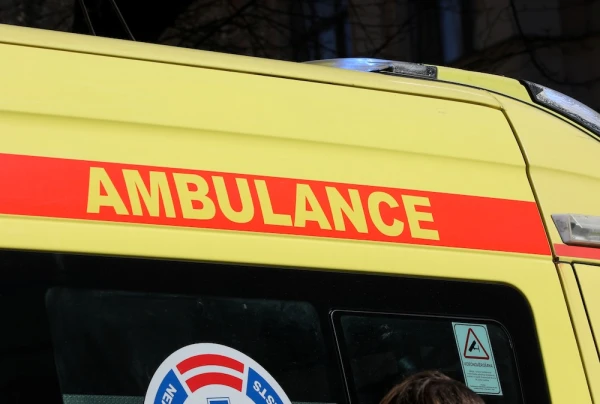
None of the largest hospitals in Riga currently have a full-fledged underground shelter for patients and staff. However, medical institutions claim they have prepared action plans in case of air alerts and continue to strengthen security measures.
The issue of hospitals' readiness for potential crisis situations is becoming increasingly relevant amid changes in the region's security landscape.
According to public media reports, the largest medical institutions in the capital lack classic underground shelters designed to protect patients and staff during air attacks or other threats.
At the Eastern Clinical University Hospital in Riga, it is emphasized that the absence of a shelter does not mean a lack of preparedness for emergencies. According to security consultant Uldis Spriņģis, the hospital will continue to provide emergency care even under heightened threat conditions. However, the institution does not disclose details of its action plans and locations for patient placement, as the facility is considered strategic infrastructure. The hospital states that safe zones for patients, visitors, and staff have been predetermined.
Particular interest is drawn to the history of the "Gaiļezers" hospital. During the Soviet era, a secret underground hospital was created beneath the building, complete with wards and operating rooms. However, hospital representatives do not disclose information about its current condition or potential use. According to representatives of the institution, the hospital has facilities on the lower levels of the building that can be used for housing people if necessary.
A similar situation exists at the Stradiņš Clinical University Hospital. There is also no classic shelter there, but the management emphasizes that patient safety is assessed differently than in ordinary public buildings.
For the hospital, it is important not only to shelter a person but also to maintain the ability to provide continuous medical care. Therefore, the so-called principle of two walls is used as a basis, which involves placing people in the most protected internal rooms.
The hospital believes that a regular basement cannot automatically be considered a shelter. For this, autonomous power supply, ventilation, water supply, and other systems are necessary to continue treating patients. Meanwhile, in the new building, which has been under construction for several years, the underground part includes operating rooms equipped with the necessary infrastructure.
Preparation concerns not only the premises. Each department of the hospital has special kits for emergency situations. These include vests, flashlights, equipment, and instructions in case of an alarm or power outages. In addition, the hospital already has special evacuation sheets and chairs for transporting patients with limited mobility.
For most residents, the topic of shelters in hospitals may seem theoretical. However, medical institutions emphasize that modern civil protection plans provide not only for the sheltering of people but also for maintaining hospitals' ability to continue operating under the most challenging conditions.
Although there are currently no full-fledged underground shelters in the largest hospitals in Riga, medical institutions assert that they have developed action algorithms and continue to upgrade infrastructure to ensure the safety of patients and staff in crisis situations.