
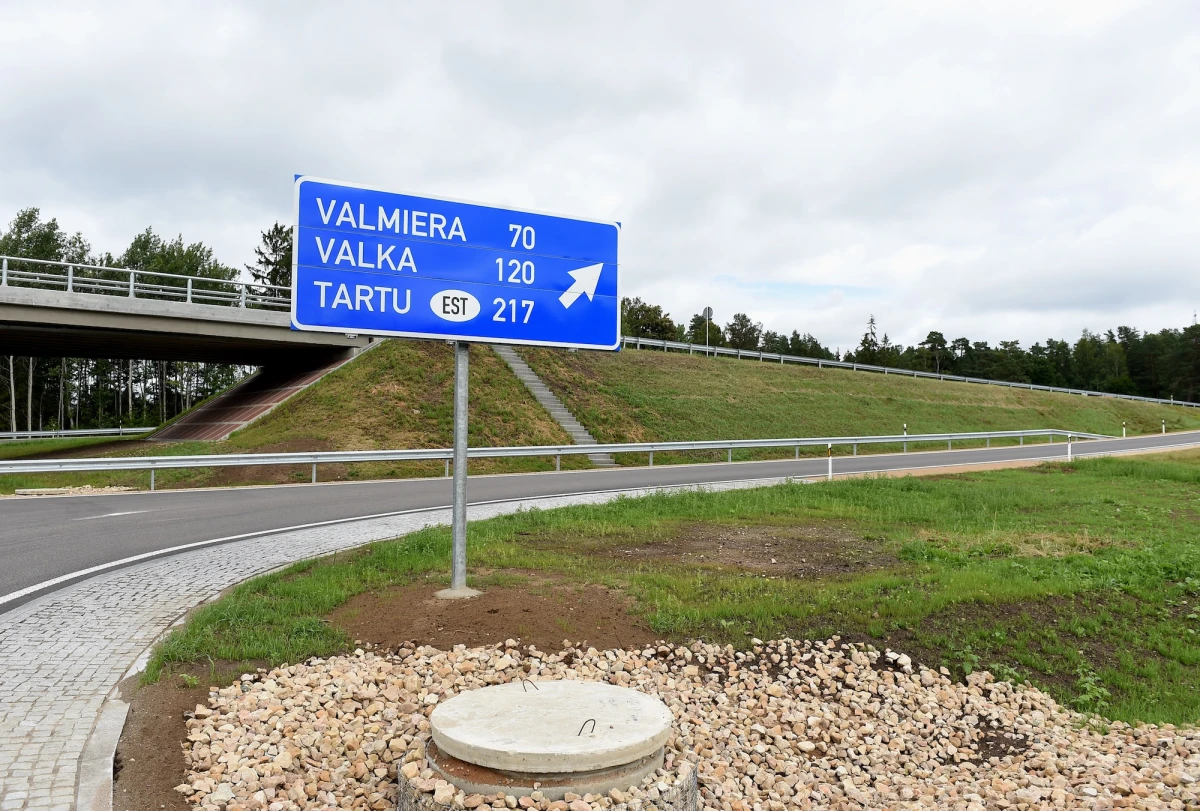
Starting in July, the future of popular cross-border bus routes between Latvia and Estonia will be in question. The EU-funded experiment has proven to be in demand; however, after the project ends, the countries have not yet agreed on who will pay for the routes going forward.
Over the past year, residents of the border areas of Latvia and Estonia have been able to use two new international bus routes. One connects Salacgriva and Ainazi with the Estonian resort of Pärnu, while the other links the twin towns of Valka and Valga, reports TV3 News.
Both lines were launched as part of a project funded by the European Union. Now, as the project's duration is coming to an end, the question of further funding remains open.
According to passenger feedback, the routes quickly became part of everyday life. Residents use the buses for commuting to work, shopping, visiting medical facilities, and also for leisure in Pärnu.
The route to Estonia's largest resort city has proven particularly popular. During the project's operation, the fare was only two euros regardless of the distance.
"In the morning, you can leave, spend the day in Pärnu, and return home in the evening. It’s very convenient," passengers say.
Border municipalities note that the project has been successful not only in terms of mobility but also for the economic development of the regions. According to Artis Argalis, the executive director of Limbaži Municipality, residents of both countries have started traveling to each other more frequently for services, shopping, and leisure, which contributes to the development of local businesses on both sides of the border.
Vents Armands Krauklis, the chairman of the Valka municipality council, believes that such routes are significant not only as a transportation service but also as a symbol of cooperation between neighboring countries.
Estonia has already expressed its readiness to maintain the routes after the completion of European funding. Moreover, some Estonian institutions and municipalities are willing to temporarily cover the costs themselves.
Thus, the authorities in Valga intend to continue funding the bus service to Valka, while the Pärnu County Public Transport Center is prepared to maintain the route to Pärnu at least until the end of the year, albeit with fewer trips.
At the same time, the Estonian side is proposing a long-term solution: to share the costs equally between the two countries. Preliminary estimates suggest that maintaining the Salacgriva–Pärnu route could cost around 50,000 euros per year. If the line is shortened to Ainazi, the costs will be even lower.
In Latvia, the initiative is viewed more cautiously. The Ministry of Transport positively assesses the idea of developing cross-border transport but acknowledges that there is no separate funding for such routes in this year's budget.
Project manager from Latvia, Lelde Abele, notes that the Estonian partners are acting more decisively and are already ready to invest their own funds. In her opinion, when forming the budget for the next year, Latvia should also consider the possibility of at least partial co-financing of the routes.
Currently, the parties continue negotiations and calculations for expenses in 2027.
The story of the buses to Pärnu and Valga shows that a demanded public transport service may be at risk not due to a lack of passengers but because of unresolved funding issues.








Leave a comment