
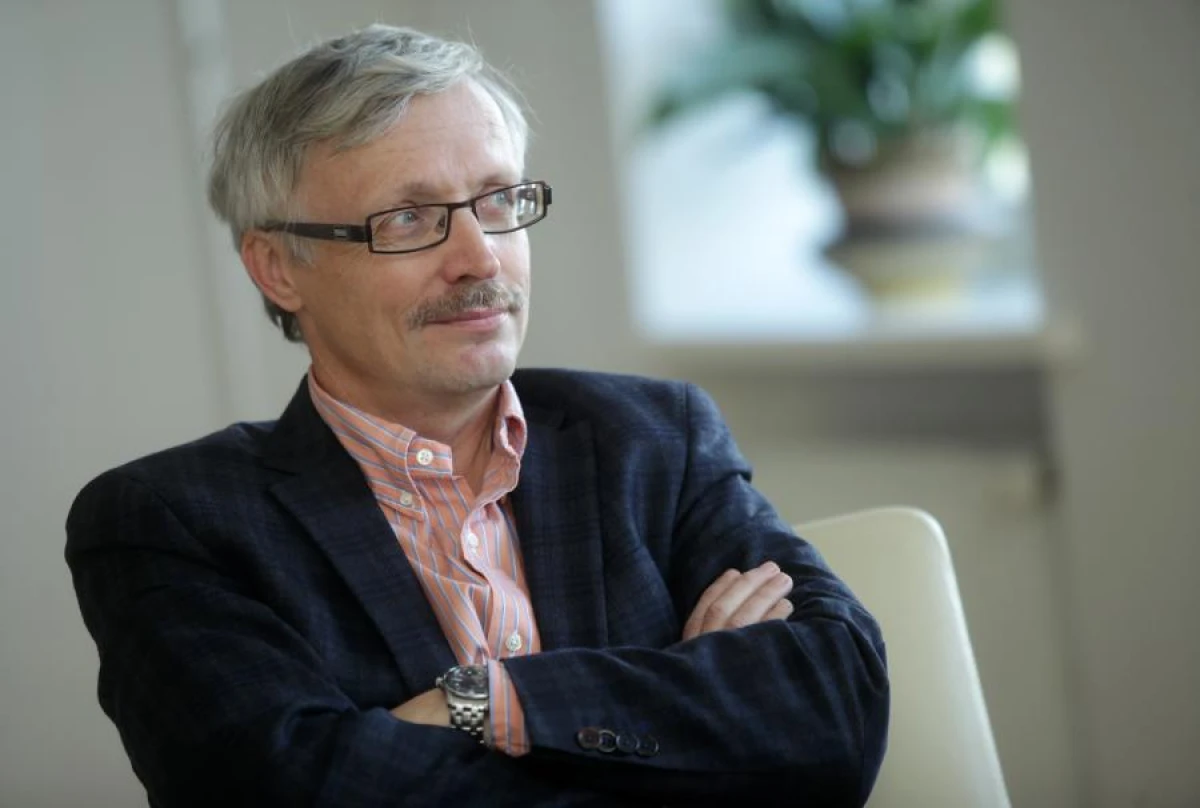
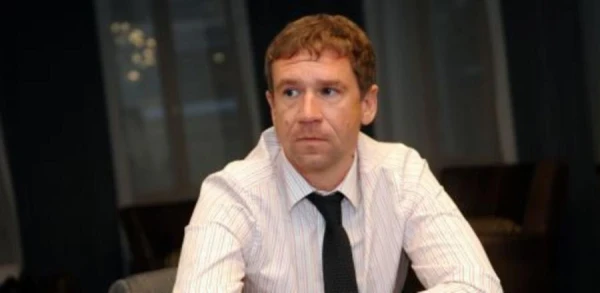
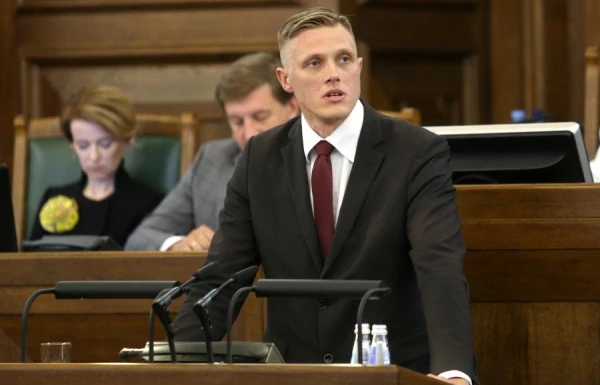
Former Finance Minister Edmunds Kraštinš stated in an interview with journalist and politician Andrei Panteleev that Latvia is still "held back" by the consequences of occupation, Russification, and "post-Russian culture."
In particular, he is troubled by thoughts about why Latvia is the last among the Baltic countries?
"Then the question arose — why, since we basically started from the same positions. One could even say that the Lithuanians were worse off, because before the war it was an agrarian country. So why are we last? The conclusion was that the reason lies in the consequences of the occupation, which affected Latvia the most. And the changes in the main nation of Latvia — the Latvians — caused by these consequences.
Lithuania can be considered a mono-ethnic state, and there are studies proving that mono-ethnic states develop much better. The advantage of the Estonians was that they were never completely isolated. They watched Finnish television, had connections with Finland. In our case, given the large presence of foreigners, a closer connection with Russia was formed. Purely objectively."
Kraštinš is convinced: if you ask Latvians what language they receive information in, Russian will be the second language after Latvian. He personally knows many people, including those who are very nationalistic, who still continue to live in the Russian-speaking information space.
"It may seem — so what’s the big deal? However, even without noticing it, a person adopts what exists in this cultural environment. This affects everything, including the culture of entrepreneurship. And this is not at all what we need.
And then the question arises — how to overcome this. The first answer is through education. Right now, this is being done by pushing the Russian language out of the education system, but it is very difficult. But in general, this is precisely a cultural question, which distinguishes us due to the large-scale consequences of Russification. This cannot be overcome just like that, because culture is deeply rooted in people. It could be changed through leaders who present new ideas and show new examples."
And, in Edmunds Kraštinš's opinion, this is not happening now.
"As a result, we do not have a proper business culture; it is poisoned by what has been brought in from Russia. With all the signs — dishonesty, extracontractual relationships, a constant desire to dip into the state pocket. From the state’s side — excessive regulation, the power of bureaucrats, and living on credit, budget deficits. And also the economy's reliance on such erroneous gigantic dreams, like Rail Baltica, for example.
And the question is whether we will cope and how quickly we will cope with this post-Russian culture. This will determine whether Latvia becomes a developed European state or an eastern province of Europe — in the worst sense of the word.






Leave a comment