
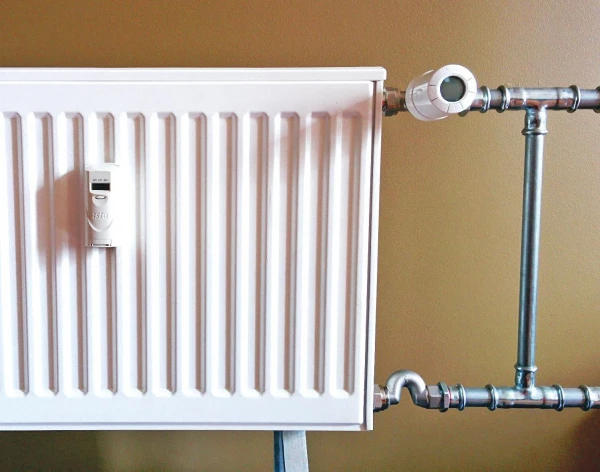
Although the challenges of the cold season usually come to the forefront only when something "goes wrong," in everyday reality, stable operation in winter is the result of long-term preparation, emphasize the housing management company AS "Civinity Mājas."
In Latvia, winter is traditionally one of the most technically and financially challenging seasons in managing residential buildings. Low temperatures, snow loads, and sharp weather changes test not only engineering solutions but also how systematically and professionally the maintenance of buildings is planned throughout the year. Therefore, professionals perceive winter as a natural stage of the year when it is necessary not just to react to exceptional situations but to apply sound technical planning, preventive work, and long-term investments that ensure the effective operation of buildings and the comfort of residents year-round.
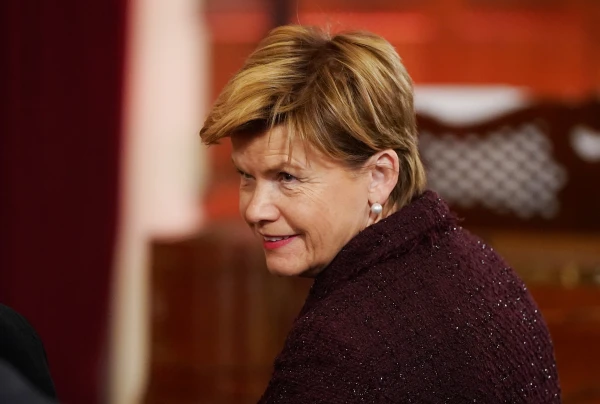
Speaking about the desire of some residents to reduce heating in common areas, board member of "Civinity Mājas" Diana Friedenberga emphasizes that such a decision would be associated with numerous problems and would negatively affect the overall condition of the building, which is why managers do not support such an initiative.
Preventive management as a risk management tool
"When regulating heating and temperature in apartments, it is necessary to consider that in apartment buildings there are not only people willing to lower the temperature in rooms for the sake of savings but also, for example, families with infants and small children. Greater flexibility is possible in those apartments where modern radiators with allocators are installed, allowing for the regulation of heat and, accordingly, the payment for it in each individual apartment," explains the significance of preventive measures D. Friedenberga.
In many apartment buildings in Latvia, outdated engineering solutions still persist — heating systems, plumbing pipes, ventilation, or roofing that have lost optimal efficiency over time. From the perspective of a professional manager, most winter problems — uneven heating, water supply failures, even freezing systems and heat losses — are not sudden but often represent the consequences of previously unresolved issues.
"Winter itself does not create problems — it merely reveals what has not been put in order in time. Buildings that are regularly inspected, serviced, and modernized function much more stably in winter. Timely preparation is both a technical and financial solution: just as sleds are prepared in summer, buildings are better prepared in advance," notes Diana Friedenberga. Therefore, specialists conduct thorough inspections before the start of the season — they examine the technical condition of heating and water supply systems, perform insulation of pipes, test the efficiency of ventilation, and check drainage systems. This helps avoid emergency repairs and unforeseen expenses during the cold period.
Renovation as a sustainable investment
Preventive work is closely related to the renovation of buildings. Sometimes regular minor work is not enough to stop the wear of technical systems — more extensive updates are required to ensure the sustainability of the building and reduce operating costs in the future. This is especially important considering the rising energy prices and energy efficiency goals in Latvia.
"Renovation is often perceived merely as an expense; however, from the perspective of long-term management, it is a tool for risk reduction. Modernized systems provide predictable maintenance costs and fewer unforeseen situations in winter," emphasizes D. Friedenberga.
This approach, where technical updates are combined with sound financial planning, helps homeowners' associations form stable budgets and plan expenses predictably rather than impulsively.
Winter as a standard management phase
Thanks to timely preparation, the winter season is not a period requiring emergency operations but becomes a time of constant monitoring of systems. Heating systems operate more evenly, water supply solutions maintain stability, and common areas remain safe.
Also, communication with residents — providing practical advice on proper ventilation or timely reporting of minor issues — reduces risks and fosters better cooperation.





Leave a comment