Participation in cultural life can contribute to improved health and well-being; however, there is a lack of systematic cooperation between the fields of culture and health care in the Baltic countries, according to a study on the interaction of these two sectors, reports LETA.
Unlike a number of other European countries, in Latvia such cooperation is mainly based on individual projects and initiatives of local governments, rather than on a unified state policy.
The study notes that participation in cultural and artistic activities can have a positive impact on health — especially for people with mild and moderate mental disorders, as well as other socially vulnerable groups.
However, in Latvia, these practices are not implemented systematically — there is a lack of clear regulation, long-term funding, and training of specialists. In policy planning documents, such as the National Development Plan, the Basic Principles of Public Health, and the Foundations of Cultural Policy, the role of culture in strengthening health is not clearly defined, and intersectoral cooperation often remains declarative.
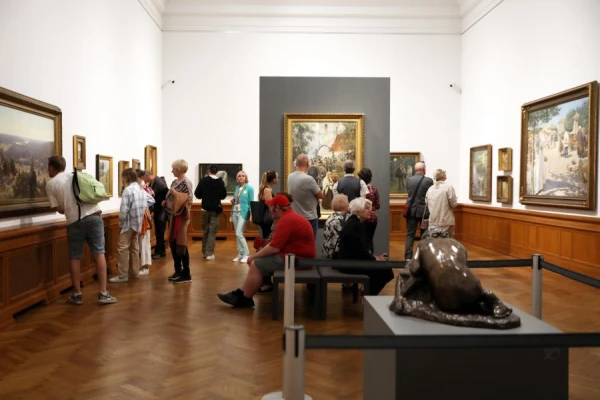
Among positive examples are pilot projects in the regions of Cesis and Saldus, where the model of "arts on prescription" has been implemented. Specialists in social and medical fields refer clients to regular cultural events in museums and cultural-historical sites. Initial results indicate a reduction in stress, anxiety, depression, and feelings of loneliness, as well as an improvement in quality of life.
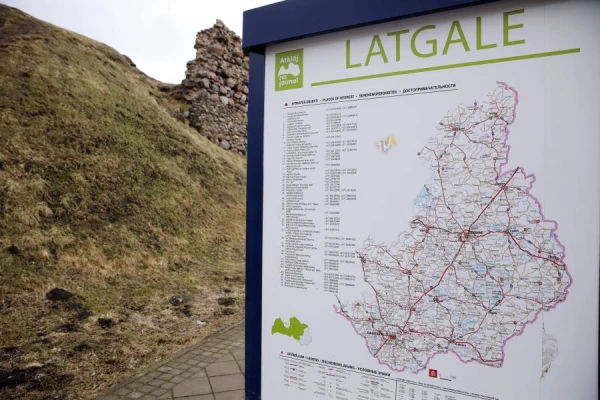
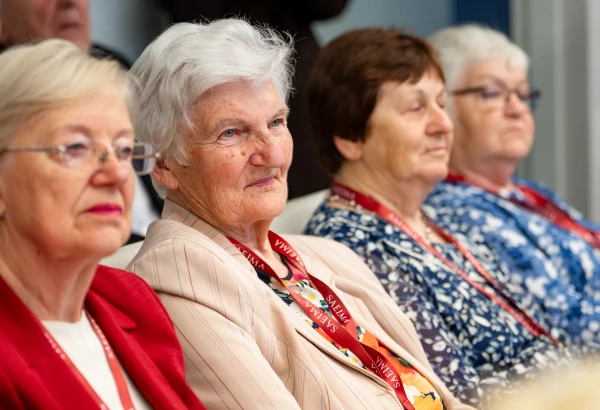
At the same time, access to culture in Latvia remains unequal — the least participation in cultural events is noted among the elderly, low-income individuals, residents of Latgale, people with disabilities, and those for whom Latvian is not a native language.
Among good practices are initiatives in which cultural figures collaborate with healthcare and social assistance institutions — performances by musicians in hospices and hospitals, artistic residencies working with socially isolated communities, as well as interdisciplinary educational projects that are in the development stage. However, researchers emphasize that these initiatives are fragmented and largely depend on project funding.
The authors of the study call for targeted state policy, closer cooperation between ministries, and training specialists to work at the intersection of culture, health care, and social services.
The study was developed by higher education institutions and research institutes from Latvia, Lithuania, and Estonia, including the Latvian Academy of Culture and the University of Latvia. The work analyzes both political norms and practical experience, as well as provides examples of successful practices from the Nordic countries.
Based on the findings of the study, a new interdisciplinary educational program on managing cultural and health projects has been developed, intended for professionals in the fields of culture, health care, and social work in the Baltic countries.