
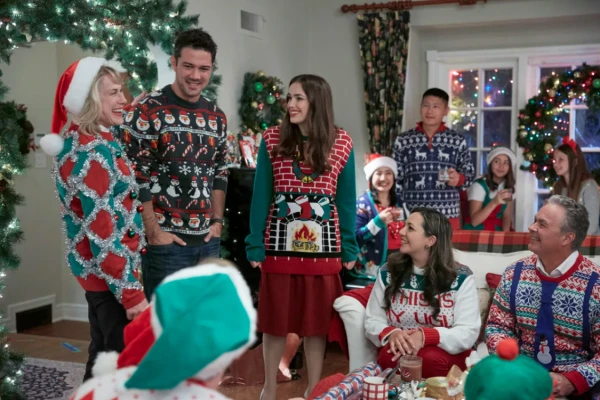
In December, there is a special moment that unites many of us — that day when the funny sweater with reindeer, snowflakes, or Santa with an overly happy smile is taken out of the closet. We wear it to parties, in the office, at family dinners, and even for holiday photos — and we do it with genuine pleasure.
For years, global media have joked about the phenomenon of ugly Christmas sweaters, but the popularity of these sweaters continues to grow. The reason is simple: it’s a combination of nostalgia, humor, and the sense of community they create.
From Holiday Classics to Fashion Kitsch
The history of Christmas sweaters dates back to the 1950s. At that time, the so-called jingle bell sweaters appeared in the USA and Europe — bright, festive, and completely unironical. They emphasized the spirit of the holiday and were seen as a natural part of winter wardrobe.
In the 1990s, the fashion for such sweaters declined: they became associated with bad gifts and outdated style. But by the early 2000s, kitsch made an unexpected comeback — first through movies and pop culture, then through memes and themed parties.
Soon, brands picked up the trend, and intentionally exaggerated models appeared on store shelves — with sequins, bulky elements, and glowing details. Today, the Christmas sweater is as much a symbol of the season as gingerbread cookies or stockings over the fireplace.
Why We Love Wearing Them
First, it’s funny and childishly sincere. Such a sweater allows us not to take ourselves too seriously and to embrace our own absurdity.
Second, it’s nostalgia. The patterns and colors bring us back to childhood, to the anticipation of the holiday and family coziness.
Third, there’s the effect of involvement. When everyone around is in festive sweaters, it’s hard to stay on the sidelines — it’s a simple way to feel part of the collective fun.
The Psychology of Color and Festive Patterns
Red is associated with warmth and energy, green with life and renewal, yellow and gold enhance the feeling of celebration. Santa, reindeer, and snowflakes evoke associations with safety, family traditions, and joyful memories.
Overloaded patterns and visual chaos are perceived by the brain as play: there’s no need to be serious here, one can simply enjoy.
A Little Holiday Magic
Color, symbols, and humor together activate the pleasure centers in the brain, making people more open and sociable. That’s why funny Christmas sweaters work so well at parties and family gatherings.
Today, the Christmas sweater is not just clothing, but a small act of joy and a way to remind ourselves that sometimes it’s okay to be silly and happy.













Leave a comment