
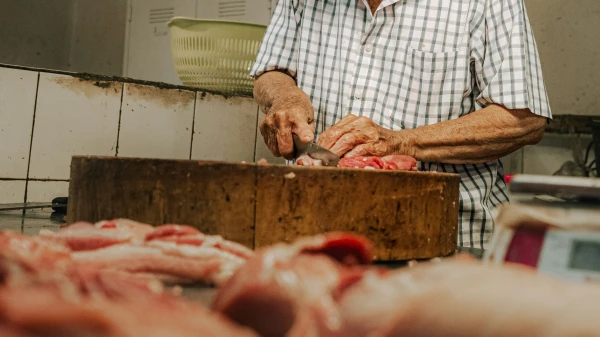
E. coli strains from meat cause one in five urinary tract infections.
Urinary tract infections (UTIs), which affect millions of people worldwide each year, may be linked not only to personal hygiene but also to the quality of food products. Scientists from George Washington University found that nearly one in five urinary tract infections is caused by strains of Escherichia coli (E. coli) that are transmitted to humans through contaminated meat. The study was published in the journal mBio.
The research team collected over 5,700 samples of E. coli bacteria — both from UTI patients and from retail stores selling meat and poultry from the same areas. The specialists then conducted genetic analysis to determine the origin of each bacterial strain. It turned out that about 18 percent of infection cases were associated with animal-derived E. coli, and the most dangerous strains were most commonly found in chicken and turkey meat.
Residents of impoverished areas proved to be particularly vulnerable: their risk of infection was 60 percent higher than that of people from more affluent neighborhoods. This is related to limited access to fresh and quality food, as well as differences in sanitary conditions.
Scientists emphasize that preventing such infections requires a systematic approach — from tightening sanitary regulations in meat processing plants to addressing social inequality in food access. For consumers, researchers provide simple yet important recommendations: thoroughly cook meat, avoid contact between raw products and ready-to-eat food, and wash hands after handling meat.
















Leave a comment