
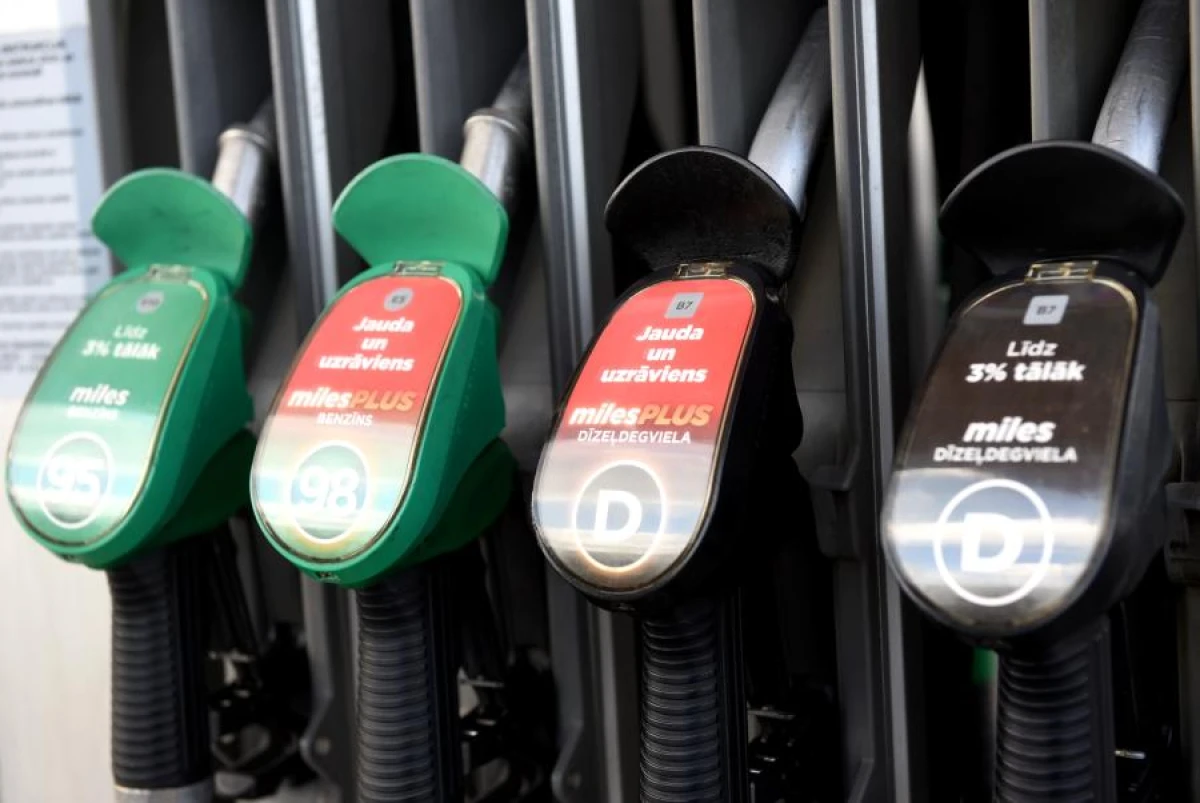
Residents of Germany are switching to bicycles and public transport, leaving personal cars at home, according to a survey. The reason is the rise in fuel prices due to the war in Iran.
Almost half of the residents of Germany have increasingly refused to use personal cars due to the consequences of the war between the USA and Israel against Iran, which have manifested in a spike in fuel prices. This was stated by 48 percent of the participants in a survey conducted in Germany on behalf of the Verivox portal, reported on Sunday, May 10, by the Funke media group.
According to the survey results, 29 percent of Germans have switched from cars to bicycles under the current circumstances, while 24 percent are more frequently using public transport to reach their destinations.
According to the General German Automobile Club (ADAC), the prices of gasoline and diesel fuel in Germany fell to their lowest since early March on May 7, when the war in Iran led to the cessation of shipping in the Strait of Hormuz - one of the most important oil arteries for the entire world. Thus, on May 7, the average price for a liter of E10 gasoline at gas stations in Germany was 1.984 euros, and for diesel, it was 2.025 euros per liter. This was made possible both due to the decline in oil prices in global markets and thanks to the "fuel discount" introduced in early May for citizens by the German government.
Two-thirds (67 percent) of respondents in the same survey stated that due to rising prices, they have become more conscious about energy consumption. The most common measure taken by 56 percent of Germans is to turn off unused electrical appliances instead of leaving them in standby mode.
Additionally, 55 percent of respondents reported that they have reduced the power of heating devices in their homes. 52 percent indicated that they are intentionally reducing their overall electricity consumption. 47 percent of respondents are also saving hot water.
At the same time, just over a quarter of respondents - 27 percent - stated that they are not saving energy. However, the main reason for most of them (52 percent) is that they have always lived frugally and do not see any additional potential for reductions, as reported by "Deutsche Welle."









Leave a comment