Which dog breeds are considered "difficult to train," explained zoologist and experienced dog breeder Evgenia Kistenyeva.
Basenji
Among dog training specialists, there is an opinion that basenjis have difficulty focusing on their owners' commands and are reluctant to obey them. According to experts, one reason for this is that dogs of this breed belong to a group of primitive animals that evolved without human involvement.
However, the term "primitive" in relation to basenjis does not mean "stupid" — these dogs possess independence and are capable of solving problems without human assistance. It is this independence that is the main reason for their training difficulties. They are confident that they know better where to walk, whom to chase, and what to eat from what they find on the street.
However, it would be incorrect to claim that basenjis are completely untrainable. If a few decades ago they were referred to as "wild animals," today they are eagerly adopted by urban residents, which is impossible without at least basic training.
Gaining authority with a "basi" will not be easy for the owner — it requires patience and persistence. During walks with a puppy, it is recommended to use a retractable leash and not let it wander too far, otherwise, the pet will start chasing everything that moves. Additionally, for the purpose of training, the owner should periodically take food from the dog's mouth, even if it is displeased — it is known that basenjis love to pick up everything they find on the street. Another problem faced by basenji breeders is the dogs' tendency to create messes in the house. This issue can be resolved by giving the pet more attention, which it desperately needs.
Afghan Hound
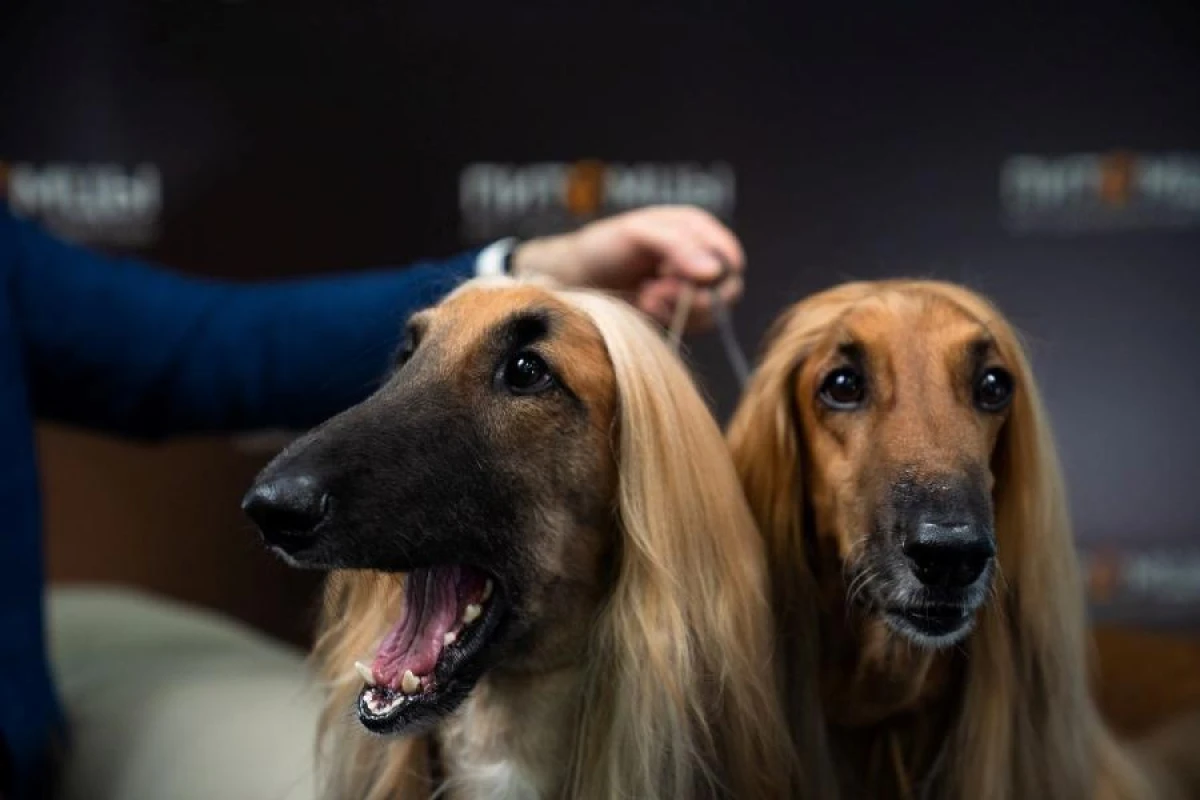
Representatives of this breed have earned a reputation for being stubborn. Afghan hounds are intelligent dogs, but getting them to obey can often be challenging for the owner, as the breed was developed for hunting rather than for following commands.
Each Afghan has its own individual personality traits, which can change as the dog ages, and it is impossible to predict whether a puppy will grow up to be quiet or a capricious aggressor.
Another issue in training Afghan hounds is their sensitivity. If a dog feels that a punishment was undeserved, the owner risks facing discontent and even revenge from the animal.
In the training process, dog trainers advise avoiding direct pressure — Afghans, as vibrant representatives of the East, know how to hide their emotions and will not openly compete with the owner for leadership in the home. These dogs know their worth, and gaining their respect through brute force will not work.
Chow Chow
Behind the "plush" appearance of the chow chow lies a firm and independent character. Raising this animal is beyond the capability of an unbalanced and aggressive person; the dog will not obey an owner prone to tantrums.
In home conditions, training a chow chow is complicated by their stubbornness — the dog does not like to follow commands that are unclear to it. Nevertheless, despite their persistence and some laziness, chow chows are intelligent and quite capable of being trained. For this, the owner's leadership and authority in the eyes of the pet must be unwavering, and the training methods must be consistent.
It is recommended to walk the puppy in crowded places from an early age to help it overcome its innate dislike of strangers. According to dog trainers, command execution in chow chows occurs in three stages. First, the animal assesses the feasibility of following the command, then observes how determined the owner is to achieve the result. Only after being convinced of the owner's resolve will the dog follow the command; otherwise, it will return to its own business.
Pekingese
Dogs of this breed are considered selfish and difficult to train. And indeed, there are grounds for this.
The most challenging period for the owners of "palace dogs" occurs when their pets reach five months of age: the animals become uncontrollable and show no desire to learn.
However, dog trainers do not recommend giving the dogs leniency during this time and waiting for them to mature; on the contrary, efforts should be doubled. If this is not done, the grown-up Pekingese will continue to ignore the owner's demands and will regard them with condescension and insufficient respect.
There are no special training methods for Pekingese, but experienced dog owners and trainers prefer to raise dogs of this breed using "gentle force" — affectionate persuasion without direct commands.