
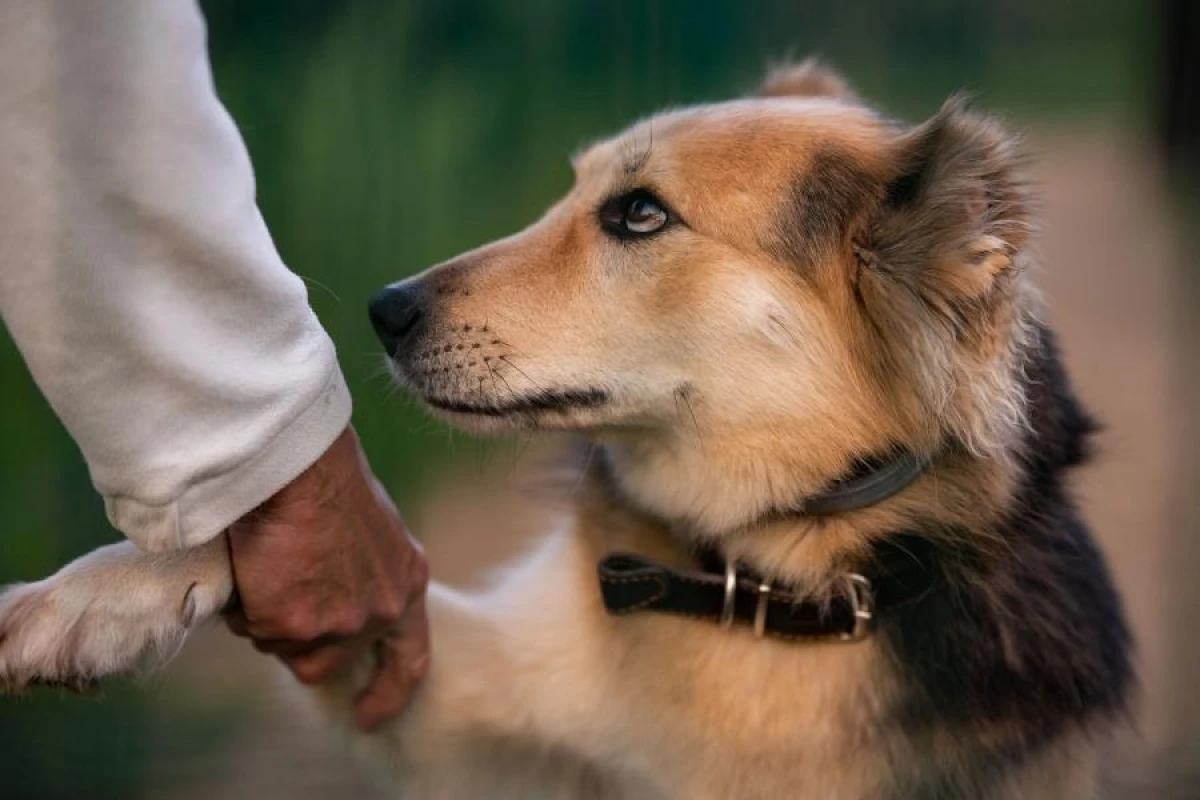
Taking care of your dog's oral cavity is an important hygiene procedure, as it concerns not only aesthetics but also the health of your pet, says veterinarian Zhanna Kashtanova.
What Happens If You Don’t Brush Your Dog's Teeth
After feeding, a soft plaque forms on the teeth. If it is not removed, it will mineralize over time, leading to the formation of tartar. It will no longer be possible to eliminate tartar with home remedies, and you will have to consult a veterinarian.
Moreover, dental plaque creates ideal conditions for the reproduction of pathogenic microorganisms, which can cause diseases such as stomatitis, gingivitis, cavities, pulpitis, periodontitis, and others. When these diseases become chronic, internal organs, including the cardiovascular system, may be affected, and the animal's immunity may decrease.
How Often Should You Brush Their Teeth
The optimal frequency is every day. However, to be honest, few owners adhere to this regimen. Therefore, it is recommended to perform the procedure at least two to three times a week. It is also beneficial to visit a dentist once a year, for example, during a routine check-up at the veterinary clinic.
Can You Use Human Toothbrushes and Toothpaste
Toothpastes designed for humans have a pronounced mint flavor and smell, which may not be liked by dogs. Manufacturers of pet toothpaste create them with more familiar scents for pets, such as meat or liver.
Additionally, the composition of pet toothpaste differs from human toothpaste. They do not contain compounds that can cause stomach upset in dogs, such as sodium lauryl sulfate, xylitol, or fluorides.
As antibacterial components, special toothpastes use glucose oxidase and lactoperoxidase, which are considered safe for animals. For mechanical cleaning of teeth, silica and baking soda are added to the toothpaste.
A human toothbrush is also not suitable for dogs—it may be uncomfortable and cause injury, which will instill fear in the animal regarding this procedure in the future. Therefore, it is better to purchase a special brush for your pet.
How to Get Your Dog Used to Teeth Brushing
It is best to get your dog used to this simple ritual from an early age or gradually: let them sniff and get acquainted with the brush and toothpaste, remembering to reward your pet after the procedure is completed.
For restless dogs, you can initially use products such as foams, rinses, or sprays.
To prevent dental problems, you can include special food in their diet. Due to their denser structure, they retain their shape longer, and the dog's teeth sink deeper into the kibbles, which act as a toothbrush. Sodium polyphosphate in such foods binds calcium from saliva.
How to Properly Brush Teeth
First of all, you should brush the teeth from both the front and the back, as plaque accumulates not only on the outer cheek surface but also on the tongue side.
It is also important not to prolong the procedure—animals find it difficult to endure this for more than three minutes at a time. Don't forget to reward your pet for their patience.














Leave a comment