
The sense of smell plays a key role in our lives: it helps determine the quality of food, enjoy the aromas of flowers, and even find something by scent. However, when compared to other animals, our olfactory abilities seem rather modest.
Nose on Antennae
Most insects detect scents using their antennae, which have microscopic olfactory sensilla. The more sensilla, the higher the sensitivity to smells. For example, bees have up to 6,000, while the giant silk moth has as many as 60,000.
If there were competitions for smell among animals, butterflies could take first place. German scientist Adolf Butenandt, conducting experiments with the European peacock butterfly, was astonished that males of this species respond to even a single molecule of a female pheromone.
In other studies, male Luna moths found females from a distance of 11 kilometers, relying solely on their sense of smell. Male silkworms need only 100 molecules of pheromone per square meter to detect a female.
This remarkable gift of distinguishing scents not only benefits butterflies but sometimes becomes their Achilles' heel. In Australia, there is a spider known as the bolas spider that has learned to create spherical lures with a scent resembling pheromones. Male moths, detecting this enticing aroma, fly to their certain death in the predator's embrace.
Thanks to their “nose” on their antennae, other insects find food and distinguish “friends” from “foes.” However, their “nose” still cannot compete in sensitivity with that of butterflies.
Underwater Smellers
In the aquatic environment, where vision does not always help, predators must rely on their sense of smell to find food. Sharks stand out particularly in this regard. Many have heard that these marine predators can detect a drop of blood from several kilometers away and quickly locate their prey by scent. However, we hasten to disappoint: this is only possible in movies. Research has shown that sharks can indeed detect drops of blood from about 400 meters away. This is an impressive result, unavailable to many other species, but not as extensive as myths suggest.
Sharks have nostrils located under their snouts with special receptor plates. These complex receptors are designed to capture scents. Signals registered by the plates are sent to the predator's brain. To find the source of the smell more quickly, a shark begins to maneuver, swimming against the current. These maneuvers help it determine the boundaries of a sort of corridor through which blood particles travel.
The shark's brain distinguishes which nostril detected the smell faster and, accordingly, turns the predator towards its source.
Almost all sharks use their sense of smell only in water. An exception is the longfin mako shark, which surfaces to sniff the air! They detect air bubbles that reach their receptors along with water, allowing them to find decaying carcasses more quickly.
Feathered Seekers
Birds rarely make the lists of the best smellers, as unlike dogs, which search for victims under rubble or detect dangerous substances, or pigs, which find expensive truffles, birds do not serve humans and do not demonstrate outstanding olfactory abilities. However, modern research is changing this perception. For example, the famous kiwi bird — a symbol of New Zealand — searches for worms and larvae hiding underground precisely by smell. It turns out that the nose helps in the search for invertebrate shorebirds.
Among birds with excellent sense of smell are also petrels, condors, and turkey vultures. The latter can detect the scent of carrion from a great distance, even when it is hidden under trees and not visible from the air. This gives them a significant advantage over other scavengers.
Modern ornithologists studying birds' abilities to navigate by smell have found that even familiar pigeons consider the scent of their home areas when searching for their way back.
Long Nose to the Rescue
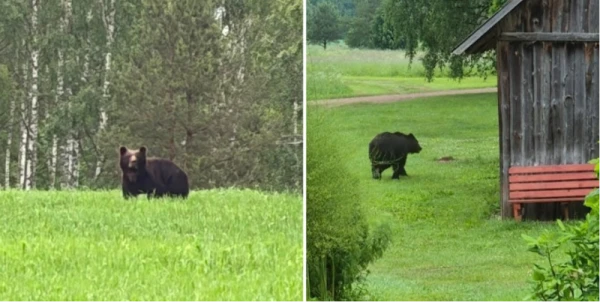
Among mammals, dogs, pigs, rats, as well as foxes, moles, and badgers have earned a reputation as outstanding smellers. This list can go on for a long time. Indeed, the sense of smell plays a key role in the lives of animals. Bears, for example, rely on it to find food. With their keen sense of smell, they locate edible roots, tasty and fatty larvae, and track down prey. They particularly enjoy meat with a “stink.” Therefore, they often drag the carcasses of killed animals to a secluded spot and return to them when the meat starts to spoil. In this case, the nose is also needed to determine the degree of “readiness” of the dish. Bears' sense of smell is estimated to be seven times better than that of dogs.
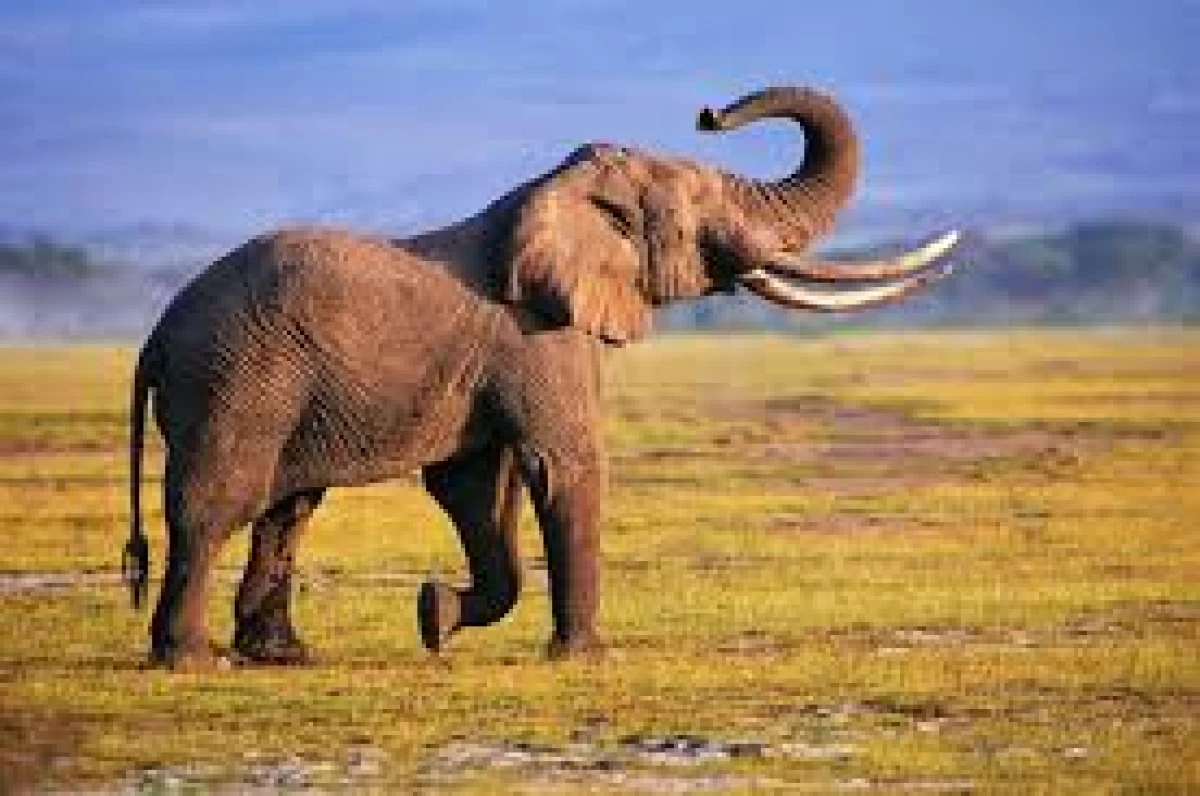
The champion among mammals in our hypothetical competition for “who has the best sense of smell” is the elephant: they can distinguish between members of different tribes by scent, find food, and choose females. It is particularly impressive how these giants, inhaling air through their trunks, can accurately head towards water, even if the source is 20 kilometers away! According to researchers from the University of Tokyo (Japan), elephants have the largest number of genes related to smell — 1,948.








Leave a comment