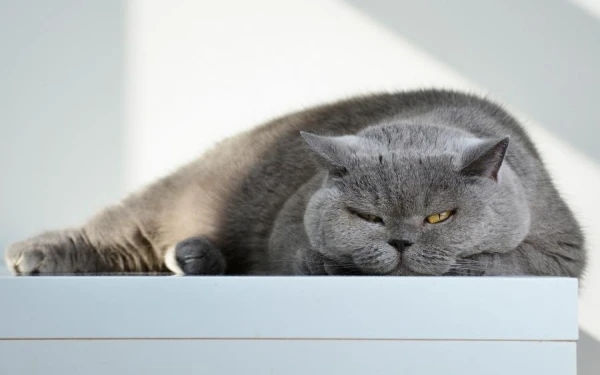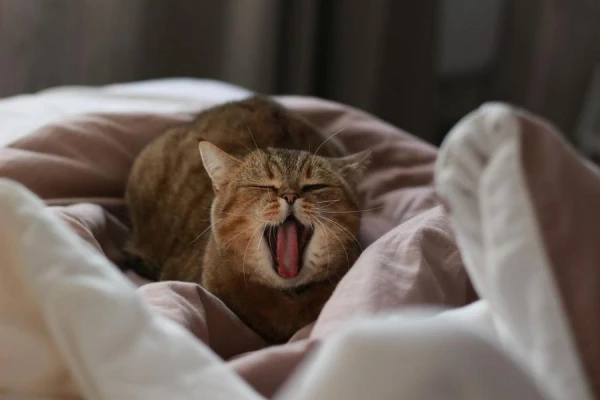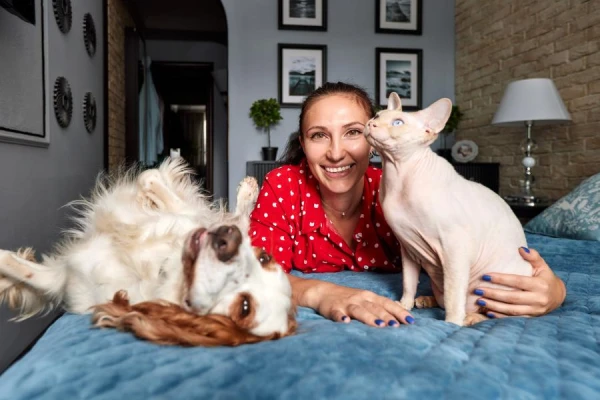
Scientists from the University of Queensland in Australia have presented alarming data for cat owners. According to their meta-analysis, individuals who had contact with cats before the age of 25 have a twofold higher likelihood of developing mental disorders! However, experts do not fully agree with these conclusions.
Researchers from Australia analyzed 17 different studies conducted in 11 countries over the past 44 years. As a result, they found that people who had a cat at a young age are twice as likely to develop schizophrenia compared to those who did not have pets.
The scientists link this to the parasite Toxoplasma gondii, which is found in domestic cats. It can enter the human body through a pet's bite. Subsequently, this parasite can penetrate the central nervous system and affect neurotransmitters in the brain, potentially leading to personality changes and mental disorders such as schizophrenia.
Although the analysis did not reveal a direct connection between cat ownership and schizophrenia, after participants answered an additional question — whether they had ever been bitten by their pet, those who answered affirmatively scored higher on the schizotypy scale.
One interesting study included in the review was conducted by American scientists. The participants were 354 students who were assessed using the schizotypy scale. This questionnaire measures traits of unconventional and disorganized thinking and is used for diagnosing schizophrenia.
Should Cat Owners Be Concerned?
After the publication of the review, other researchers criticized its conclusions. They noted that important factors such as social and economic status, as well as family circumstances, were not taken into account in this meta-analysis.
Moreover, independent experts assert that infection with T. gondii can also occur through undercooked meat or contaminated water. Therefore, cat owners should not fear their pets. Nevertheless, it is advisable not to allow them to bite and scratch to avoid associations that your body parts are prey.