
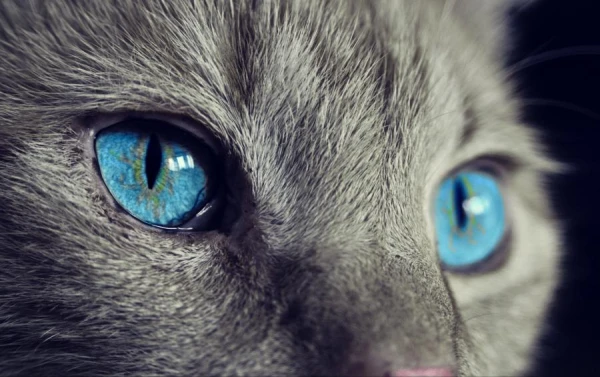
A study conducted by the British Small Animal Veterinary Association (BSAVA) demonstrated that artificial intelligence (AI) is capable of recognizing and assessing pain symptoms in cats with 77% accuracy.
According to researchers, assessing pain in cats is a complex task due to their behavioral characteristics. To address this issue, they proposed creating additional methods that could ensure objectivity, minimize human influence, and be applicable to cats of various breeds, genders, colors, and ages. In this regard, scientists analyzed the effectiveness of AI in recognizing pain symptoms in different cats and identified which areas on the animal's face are most important for the program's accurate functioning.
The study involved 84 cats with various medical histories. Their faces were photographed with a mobile phone, and then experienced veterinarians classified the images based on the animals' behavior and medical history into the categories of 'pain present' and 'pain absent.' This data was used to train the AI model using two approaches: deep learning (DL) and landmark detection algorithm (LDM), within which 48 labels were created to analyze various areas of the cat's face, including ears, nose, mouth, and eyes.
The researchers found that the LDM method correctly identifies the presence of pain in the animal 77% of the time, while DL demonstrated an accuracy of 65%.
The scientists described the results as promising, but noted that in real-world conditions, nearly 25% of cats may experience pain that goes unnoticed. Therefore, veterinarians need to further assess the animals' conditions and, in cases of doubt, prescribe pain relief medications.
The researchers published their work in the journal Scientific Reports.
















Leave a comment