
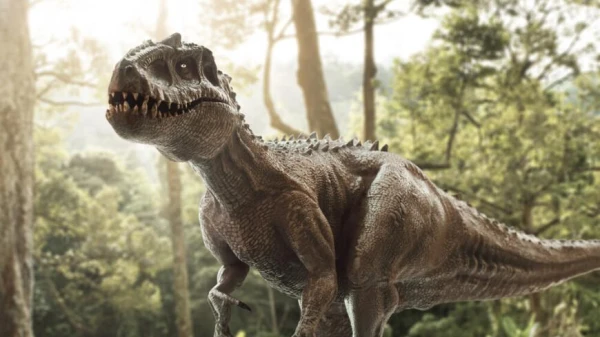
João Pedro de Magalhães, one of the leading experts in aging, explained why modern long-lived mammals, including humans, age significantly faster than some reptiles, amphibians, and birds. According to a new theory, this is related to millions of years of dinosaur dominance on Earth — during that time, our distant ancestors lost important genes that contribute to longevity. The study was published in the journal BioEssays.
Professor of molecular biogerontology João Pedro de Magalhães has proposed a hypothesis known as the “longevity bottleneck.” It describes how in the Mesozoic era, when dinosaurs ruled the planet for about 100 million years, early mammals found themselves at the very bottom of the food chain. They faced strong “evolutionary pressure” from numerous predators and various dangers. In such conditions, the first eutherians had many chances of extinction. To survive, they needed to reproduce quickly.
This was a critically important stage in the evolution of mammals, the author claims. It is possible that in the course of evolution, they had to give up genes responsible for longevity — they were lost or inactivated. For example, during that period, photolyase enzymes, which repair damage caused by ultraviolet light, disappeared. Therefore, today we compensate for their absence with the help of sunscreens.
It is known that marsupials and monotremes, which separated from eutherians about 175 million years ago, also lost one of these three enzymes. As de Magalhães suggests, this could have been related to the need to switch to a nocturnal lifestyle for safety.
We Are Losing to Crocodiles
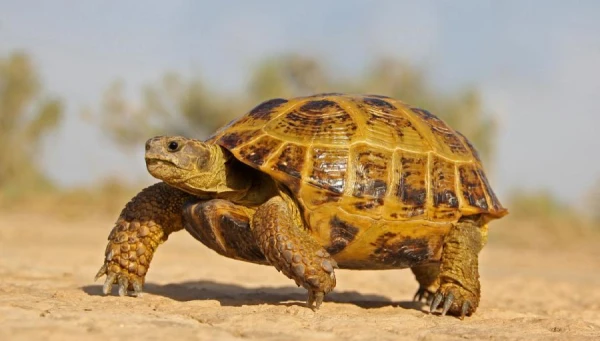
In addition to this “repair” mechanism, we have other losses. Unlike the slow aging of mammals, reptiles, including alligators, can grow teeth throughout their lives. Some species can even regenerate lost limbs. Additionally, they have access to oocyte regeneration and high resistance to cancer. While mammals are characterized by reproductive aging and a shortened lifespan after reproduction. That is, we face the age-related changes typical for us.
“Humans obviously do not possess such abilities — possibly due to genetic selection that lasted hundreds of thousands of years. This genetic information would have been unnecessary for early mammals that were fortunate enough to avoid becoming food for tyrannosaurs,” explains de Magalhães.
According to experts, the hypothesis could serve as a basis for many future studies. In particular, a better understanding of the factors of aging could lead to the development of new methods to combat age-related diseases such as dementia or strokes. The genetics behind the loss of longevity could also provide answers to questions about cancer and its connection to faster aging in mammals.











Leave a comment