A study by American scientists revealed the presence of microplastics in the blood vessels of patients with cardiovascular diseases. These particles were found in plaques on the walls of the carotid artery. According to researchers, such individuals faced strokes, heart attacks, or death from various causes 4.5 times more often.
Numerous microplastic particles have been found in the bodies of patients, with polyethylene being the most prevalent type of plastic used in food packaging and disposable coffee cups. Polyvinyl chloride (PVC) came in second.
Scientists express serious concern: microplastics are present everywhere — in the world's oceans, water bodies, and even in the air we breathe. However, there is still insufficient scientific research confirming their harmfulness or harmlessness.
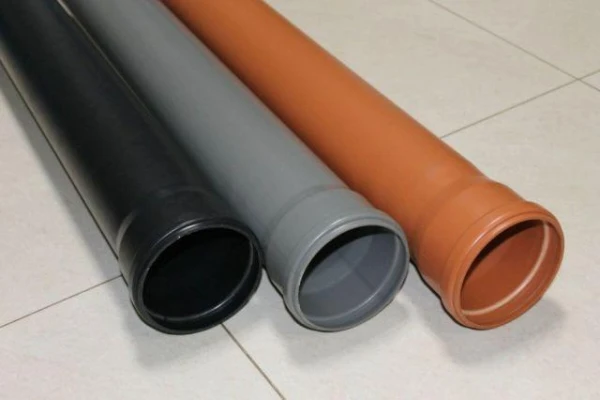
But what items in our environment release the most microplastics? Do HDPE pipes, which are widely installed in private and multi-apartment buildings for water supply, influence this?
“HDPE pipes are made from low-density polyethylene, which is reflected in this abbreviation,” notes chemist and author of the book “Poisons: Around and Inside” Sakina Zeynalova. “Such pipes, like many other plastic products, do indeed release microplastic particles. This has already been proven.
However, when looking at the statistics showing where microplastics come from in the world's oceans (and then in the human body), it becomes clear that the main source of pollution is not plastic products, but the washing of synthetic clothing. Microscopic plastic fibers detach from fabrics and enter the sewage system, from where they end up in rivers, seas, and oceans. Synthetic fibers account for 45–50% of all microplastic waste. Following them are particles generated from the wear of car tires, road surfaces, and paint. Plastic items that release fine particles occupy subsequent positions.
Of course, under the influence of sunlight, seawater, and other environmental factors, such items break down much faster, leading to greater microplastic release. In this regard, HDPE pipes appear to be less dangerous, as they are usually located indoors and protected from sunlight. However, if hot water passes through them, the release of micro-particles may increase.
Incidentally, scientists also talk about the emergence of not only microplastics but also nanoplastics, with particle sizes ranging from 1 to 1000 nanometers.
Overall, microplastics have become an integral part of our lives, and we consume them daily. How dangerous are they? This question remains open. The problem is that scientific research is difficult to link to real sources of microplastics. The individual “cocktail” of particles that enters the human body depends on lifestyle, place of residence, environmental temperature, and level of wealth. All of this complicates the conduct of objective research on the harm of microplastics.
Nevertheless, such research is necessary and is undoubtedly being conducted. For example, scientists have already established that polystyrene particles are more toxic than polypropylene particles. I hope that there will be more such studies.”