We start collecting as early as April.
Birch Sap
The collection of birch sap begins with the first thaws and continues until the buds open, which usually occurs from late March to mid-April. From one tree, no more than 3-4 liters of sap can be obtained. Without processing, birch sap retains its properties for only 2 days, so it is preserved for long-term storage.
Birch Buds
Birch buds have high nutritional value, as they contain up to 5% essential oil, vitamin C, carotene, tannins, alkaloids, fatty acids, and many trace elements.
Among their beneficial properties are anti-inflammatory and antibacterial effects, as well as the ability to heal wounds. In folk medicine, an infusion of birch buds is used for diabetes.
Burdock Leaves
Young burdock leaves are used to prepare soups and salads. Chopped burdock root with carrots is a traditional Japanese dish known for its health benefits.
Common Ostrich Fern
In some countries, young leaves of the ostrich fern are consumed as regular vegetables. In spring, young leaves of the ostrich fern - rachises (when they are still curled in rosettes) - are collected and cooked; they taste similar to boiled zucchini.
Pine Pollen
The collection of pine pollen begins in mid-May. It has a tonic effect, helps relieve fatigue, and strengthens the immune system, making it indispensable for colds and runny noses. In folk medicine, pollen is consumed in its pure form, infused in alcohol, brewed in boiling water, or mixed with boiled milk and oil.
Coltsfoot
Coltsfoot is beneficial for prolonged colds due to its diuretic and sweat-inducing effects. Tea made from dried leaves stimulates appetite and is considered a general tonic. The juice from the leaves is also an effective wound healing agent (similar to aloe). For medicinal purposes, in June to early July, basal leaves with a small part of the petiole (about 3 cm) are manually plucked.
Common Wood Sorrel Leaves
The leaves and flowers of forest wood sorrel in small amounts are an excellent source of vitamins; however, in large doses, they can cause irritation of the kidneys and urinary tract.
Common wood sorrel has a slight sour taste; it is added to salads and used to prepare fresh soups.
Nettle
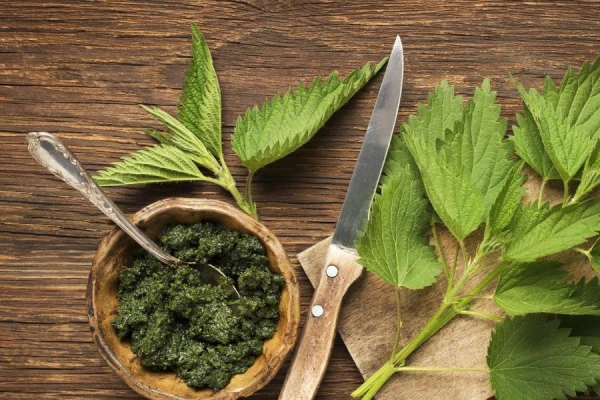
Fresh spring nettle leaves are used to prepare spring salads and soups. Additionally, nettle is collected as medicinal raw material (dried and used throughout the year): products based on it have tonic properties and positively affect the cardiovascular system. They are used for liver and kidney diseases, tuberculosis, anemia, and various nervous system disorders.
The juice of fresh nettle helps relieve fatigue, replenish vitamin deficiencies in the body, and improve metabolism.