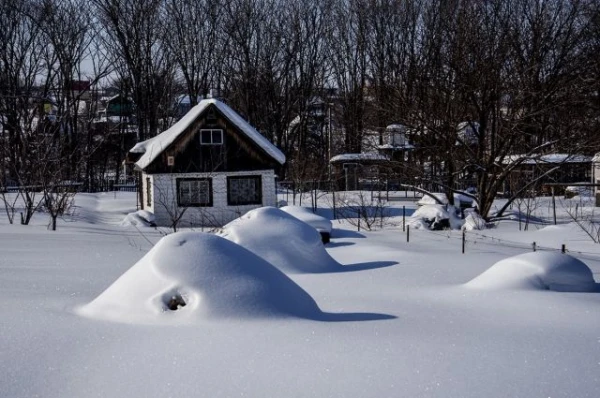
The snow cover in winter is very important for ecosystems; moreover, its absence can trigger a chain reaction of ecological disruptions, said ecologist Victoria MAZANIK.
PLANTS
Snow acts as a kind of "blanket" that creates an air layer, protecting the soil and, consequently, the roots of plants from deep freezing. Under the snow, the temperature remains closer to 0°C, even if the air is at –20°C. When there is no snow, the frost penetrates deeper into the ground: seeds and roots of cereal grains, shrubs, and fruit trees suffer. This leads to reduced yields and even the death of young plants.
Additionally, the snow cover serves as the main reservoir of moisture. The absence of meltwater leads to soil drying in spring and a decrease in groundwater levels, causing trees (especially spruce forests) to experience water shortages, stop producing protective resin, and dry out. A dry forest floor and lack of moisture in the soil significantly increase the risk of forest fires, which can even occur during winter.
If the winter is not only snowless but also warm, the abnormal warmth can trigger premature sap flow and bud break. Sharp return frosts after such thaws destroy weakened plants.
ANIMALS
Snowless winters pose a serious threat to animals as well. For mice, voles, hares, and others, the snow cover provides reliable protection from predators and harsh frosts. Animals that change their color for winter (white hares, weasels, stoats) become very noticeable against the dark ground, making them easy prey for foxes, wolves, and birds of prey.
Snowy winters also benefit rodents, hiding them from feathered (owls, hawks) and four-legged predators, allowing them to move safely under the snow. There, rodents access the bark of trees (especially young fruit trees), buds, and roots, which become their main food source during the cold season. Without the snowy "coat," the likelihood of animals dying from the cold and lack of food sharply increases. A decrease in the number of small rodents will lead to a decline in predator populations.
There will be something to drink
In snowless winters, not only flora and fauna are at risk. Snow is one of the main sources of replenishing freshwater supplies. In spring, meltwater nourishes our rivers and saturates groundwater, which is used not only for drinking but also for agricultural needs. Accordingly, if there is no snow in winter, the spring flood is weakly expressed, rivers become shallow, and water supply problems arise.