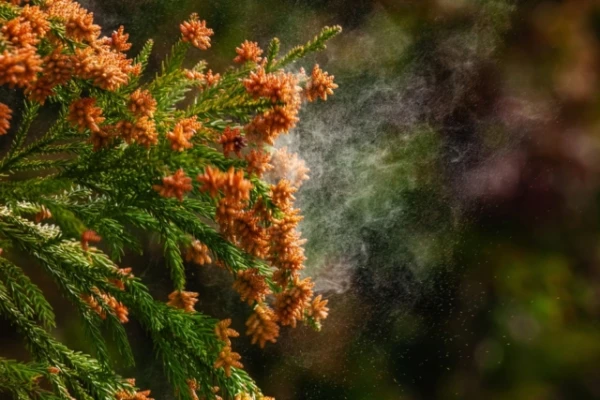
A study led by Dr. Lin Meng from Vanderbilt University found a direct link between artificial lighting at night in cities of the northeastern United States and an increase in the duration of the pollen season.
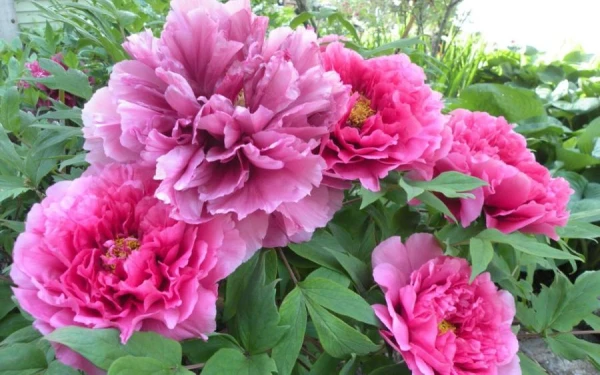
Satellite data and long-term pollen counts show that in areas with brighter light pollution, the pollen season ends later and lasts longer. This is because plants that rely on day length (photoperiod) perceive artificial light as an extension of the day. This disrupts their internal biological clocks and delays the end of flowering.
As a result, residents of such areas are exposed to allergens for a longer time, and the share of days with high pollen concentrations in these zones reaches 27%, significantly higher than the 17% in darker areas.
Scientists note that, unlike the impact of temperature on the start of the season, it is artificial light that plays a key role in its extension. Possible solutions include measures to reduce light pollution: using shielded fixtures that direct light downward, warmer light spectra, as well as timers and motion sensors to reduce unnecessary nighttime lighting. Such steps could be an effective way to lessen the negative impact on the health of millions of urban residents suffering from allergies.