There are important points.
1. Cast Iron
Heavy cast iron cookware, often coated with bright enamel, is currently at the peak of popularity.
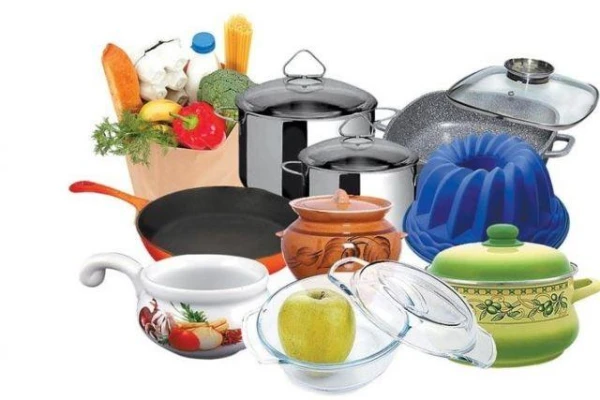
Unlike old frying pans, modern cast iron products will not damage a glass-ceramic stove. This eco-friendly material is perfect for making soups, stews, and baking pancakes. However, it requires careful handling: sudden temperature changes (for example, cold meat on a hot pan) can lead to cracks, and enameled cookware cannot be washed in a dishwasher.
2. Porcelain
This fragile material is used not only for tea sets but also for professional chefs' cookware, especially baking dishes. Porcelain is not fussy in use: it can be frozen and then placed in a hot oven or microwave, and it is also easy to clean in a dishwasher. Unlike ceramics, porcelain does not absorb odors. However, it is important to remember that one awkward movement can lead to breaking the baking dish!
3. Ceramic
Baking dishes, frying pans, and pots are made from ceramic and earthenware. This porous material allows air to circulate well, preventing dishes from drying out. Ceramic is ideal for baking in the oven, but it should not be placed over an open flame! It is important to avoid sudden temperature changes — do not place ceramic cookware from the refrigerator into a preheated oven. Additionally, ceramic absorbs food odors well.
4. Heat-Resistant Glass
An ideal choice for baking and using in the microwave. Heat-resistant glass is stronger than regular glass, but it cannot be used on gas stoves: placing a glass pot over an open flame is only possible with a flame diffuser (a metal plate placed between the flame and the bottom of the cookware). This glass does not absorb odors, and food does not burn in it. However, glass has low thermal conductivity, so the finished dish cools down slowly. It is also advisable to avoid sudden temperature changes.
5. Stainless Steel
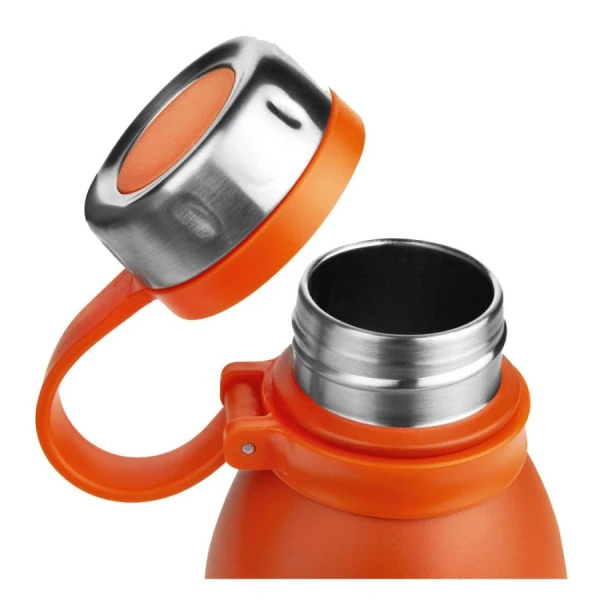
The best option is surgical steel (grade 304 according to AISI). This alloy has bacteriostatic properties, which helps food cooked in such cookware stay fresh longer. Nickel-free samples are especially popular, as some people may be allergic to it, and it can give vegetable dishes a metallic taste. If a pot has steel handles, it can be used in the oven. Stainless steel can be washed in a dishwasher.
6. Silicone
With “rubber” baking molds, even a novice cook can create a culinary masterpiece. In silicone, food does not stick, and baked goods are easy to remove from the soft mold. Silicone withstands washing in a dishwasher and temperature changes, and it can even be frozen. However, it should not be cut with a knife or washed with abrasive cleaners. After its lifespan (2-5 years), silicone cookware is better to dispose of, even if it looks good: toxic bisphenol A may be released when heated.
7. Metal with Non-Stick Coating
Many are aware of the dangers of Teflon. However, this is not the only non-stick coating: many brands have developed their analogs without perfluorooctanoic acid (which can cause cancer and mutations in fetuses in pregnant women). It is not recommended to cook acidic dishes in non-stick cookware or store food in it. If the coating has cracks or scratches, it is better to replace the cookware with a new one.
8. Enamel-Coated Metal
Enamel traditionally coats steel and aluminum, with steel being preferable for the kitchen. Many remember from the Soviet past that the main problem with enamel is chips (cooking in chipped cookware is not allowed, as the metal will oxidize). To preserve the enamel, do not place cookware from the refrigerator on the stove, use it on a burner with a diameter different from the bottom, or cook if the bottom is not fully covered with water or fat.