
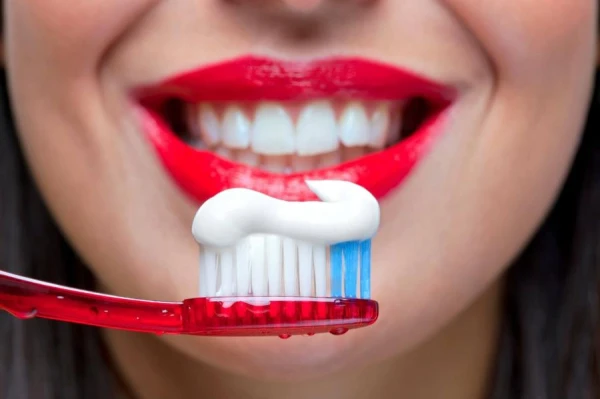
Stores offer a wide selection of toothpastes that can surprise any shopper. The variety of flavors, aromas, and beneficial properties of these products allows everyone to choose the product that suits them best. However, when choosing a toothpaste, most of us, unfortunately, do not pay attention to the composition and purpose of the product, which can lead to unpleasant consequences from using a low-quality product. Dentist Luiza Avtandilyan highlighted five of the most dangerous ingredients that may be present in toothpaste.
When choosing a toothpaste, it is important to pay attention to its composition. It may contain various active components, such as mineral additives — fluoride and calcium, plant extracts, flavorings, colorants, foaming agents, and preservatives.
SLS, SLES, and Parabens
Active substances such as sodium laureth sulfate and sodium lauryl sulfate (SLES and SLS) are often used in cosmetic products to improve foaming, but they can cause irritation of the mucous membranes of the mouth and local allergic reactions. Parabens, used to extend the shelf life of the product, can accumulate in the body over time and cause negative effects.
Sodium Fluoride
Although fluoride is one of the main components of most toothpastes, excessive consumption can lead to fluorosis — a disease that causes damage to the enamel and the formation of spots on its surface. Despite the fact that this chemical element is recognized as an effective means of preventing cavities, it should be used in moderation. Therefore, when choosing a toothpaste, it is important to carefully study the composition: if the toothpaste contains sodium fluoride, its amount should be listed closer to the end of the ingredient list, indicating its low content.
Titanium Dioxide
Titanium dioxide is a substance added to toothpastes to give them a white color and provide a whitening effect. However, studies have shown that titanium dioxide particles, when entering the body, can harm health, as titanium dioxide is recognized as a carcinogenic substance.
Antibacterial Components
Some toothpastes may contain triclosan, chlorhexidine, and metronidazole, which have antiseptic properties and help fight bacteria. Antibacterial toothpastes are often used after surgical or orthodontic treatment and dental prosthetics, as well as for oral diseases — gingivitis and stomatitis. However, using such toothpastes without prior consultation with a specialist can negatively affect local immunity and disrupt the oral microflora.
Saccharin
Saccharin is sometimes added to toothpastes to give them a sweet taste — this artificial sweetener is often used in the production of pastes for children. However, in many countries, the use of synthetic sugar substitutes in toothpastes is prohibited, as this substance, when exceeding the permissible concentration and interacting with other chemical elements, can contribute to the development of oncological diseases.
In addition to the composition of the toothpaste, when choosing a product, it is also important to consider its purpose and the individual characteristics of the patient. There are hygienic (deodorizing) and therapeutic-preventive toothpastes, each serving its function — cavity prevention, strengthening gums, whitening tooth enamel, and so on.
As mentioned earlier, not all components of toothpaste are safe. Therefore, before purchasing a product, it is important to carefully review the information on the packaging and consult a specialist. Only a dentist, after conducting a professional examination and assessing the condition of the oral cavity, can determine which toothpaste is suitable for you and help make the right choice for quality care and maintaining the health of your smile.













Leave a comment