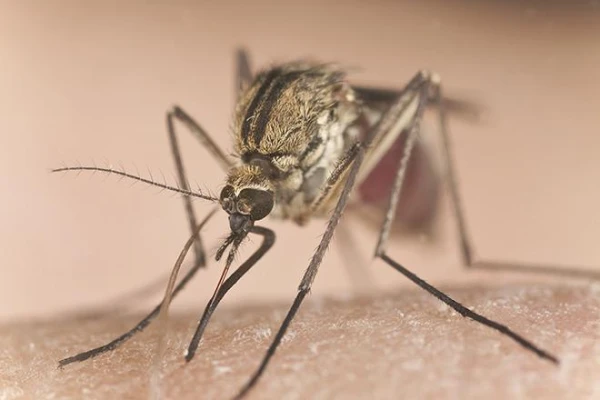
A team of scientists led by entomologist Michelle Trautwein calculated that about 100 species of insects live in every human dwelling.
Where exactly it is located: in Latvia or Australia, in a city or a village — it doesn’t matter. Just like how often wet cleaning is done, garbage is taken out, and whether there are pets. It turned out that none of these factors affects the number of species. But! If crumbs are constantly scattered on the floor and wet cleaning is stopped, the number of "tenants" can significantly increase.
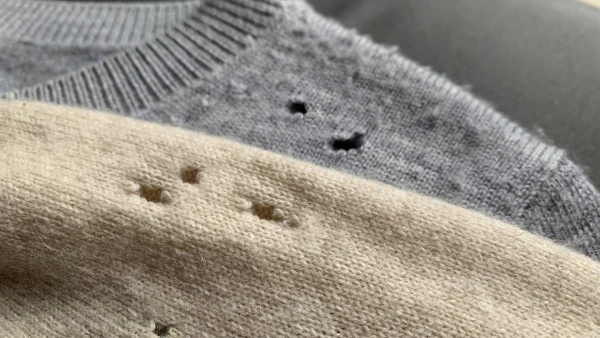
Among others, the clothes moth often settles in homes, which can definitely spoil the lives of the homeowners.
What is a Moth
A moth is a generalized household name for many species of small nocturnal butterflies from the order Lepidoptera, which lead a predominantly twilight or nocturnal lifestyle. Unlike their bright and diurnal relatives, butterflies, moths most often have modest protective coloration — gray, brownish, or golden shades, which helps them remain unnoticed. Most species living in the wild are harmless to humans and play an important role in the ecosystem, for example, pollinating plants or serving as food for other animals.
There are about 160,000 species of Lepidoptera in the world. However, only a small part of these insects has adapted to living near humans. The diet of moths directly depends on their species and developmental stage. A key point that is often overlooked: adult butterflies of many species of household moths do not feed at all! They have underdeveloped mouthparts, and their entire adult life lasts only a few days, during which they must find a mate and leave offspring. However, their larvae (caterpillars) are true "devourers of everything."
What Types of Moths Are Found in Apartments
The clothes moth is the most common pest of woolen clothing.
In residential premises, the following species are most often encountered:
clothes moth — the most common pest of woolen clothing;

fur moth — prefers fur products;

furniture moth — can damage furniture upholstery, carpets;

food moth (Indian meal moth) — only infests food products.

"That flying moth you chase around the apartment, intending to save your belongings, is actually only indirectly responsible for the damage to clothing. Clothes moth butterflies are created for reproduction. Being caring parents, they look for places to lay their eggs in advance — suitable clothing that the caterpillars will later feed on. This way, they spare the larvae the need to search for food as soon as they are born," says entomologist Svetlana Zarechnaya.
Just imagine: each female lays up to 100 eggs! It would seem that if there is a moth in the closet, the larvae should be everywhere, but we hardly see them. This happens because the butterflies are more noticeable, and the caterpillars can only be found by closely examining the damaged clothing.
From May to September, they feed, preferring soiled wool, felt, or fleece items, as such contaminants facilitate the digestion of keratin. In autumn, they move to cornices and behind sofas, where they attach their cocoons. In spring, the caterpillar that has wintered molts for the last time into a pupa.
For the normal life cycle of the clothes moth, it is necessary for the temperature in the room to be +23–25 °C, and the air to be sufficiently dry. Under unfavorable conditions, the caterpillars can slow their development for up to two years, damaging clothing all this time.
How to Get Rid of Clothes Moths
According to sanitary doctor Nikolai Dubinin, clothes moth larvae prefer wool and fur products, but synthetic clothing is also at risk. They will not eat artificial fibers, but they will gnaw on them. However, the fabric must still contain at least 30% wool.
Typically, clothes moths enter the home with already infested clothing. But even if this happens, some measures can be taken.
Mechanical and thermal treatment. In summer, it is advisable to sort through closets and lay clothes out to dry in the sun. Ultraviolet rays help combat not only clothes moths but also dust mites. Under their influence, insects die. Slightly damaged, potentially infested items can be frozen. Low temperatures are as deadly to insects as high ones. This should be done if the damage is not severe and the items are truly needed. Otherwise, it is easier to throw them away. Washing items at temperatures above +50 °C is also extremely effective.
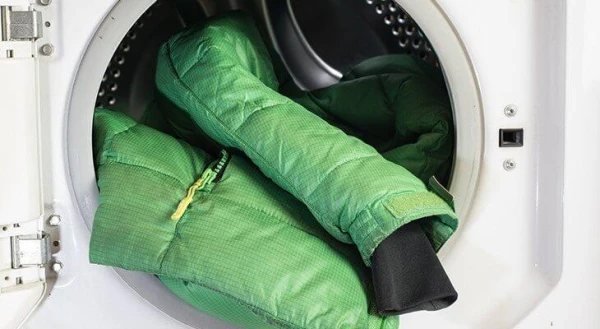
Prevention and maintaining cleanliness. It is recommended to regularly ventilate the premises and do wet cleaning. Before storing seasonal clothing for a long time, it must be cleaned (or better washed) and packed in airtight covers or plastic containers.
Folk remedies. It is useful to place cloves, lavender, and other strongly scented herbs in closets. This repels female butterflies. Previously, naphthalene and orange peels were used for this purpose, but they are less effective. Moreover, scientists from various countries have long discovered that naphthalene vapors can cause severe poisoning.
Chemical agents and professional pest control. Chemicals also primarily affect adult individuals, killing them. However, it is necessary to prevent the development of caterpillars that may already be in the clothing. So, one should not rely on miraculous products from the store. Nevertheless, professionals have means to combat them. However, they are mainly used for treating textile production.