
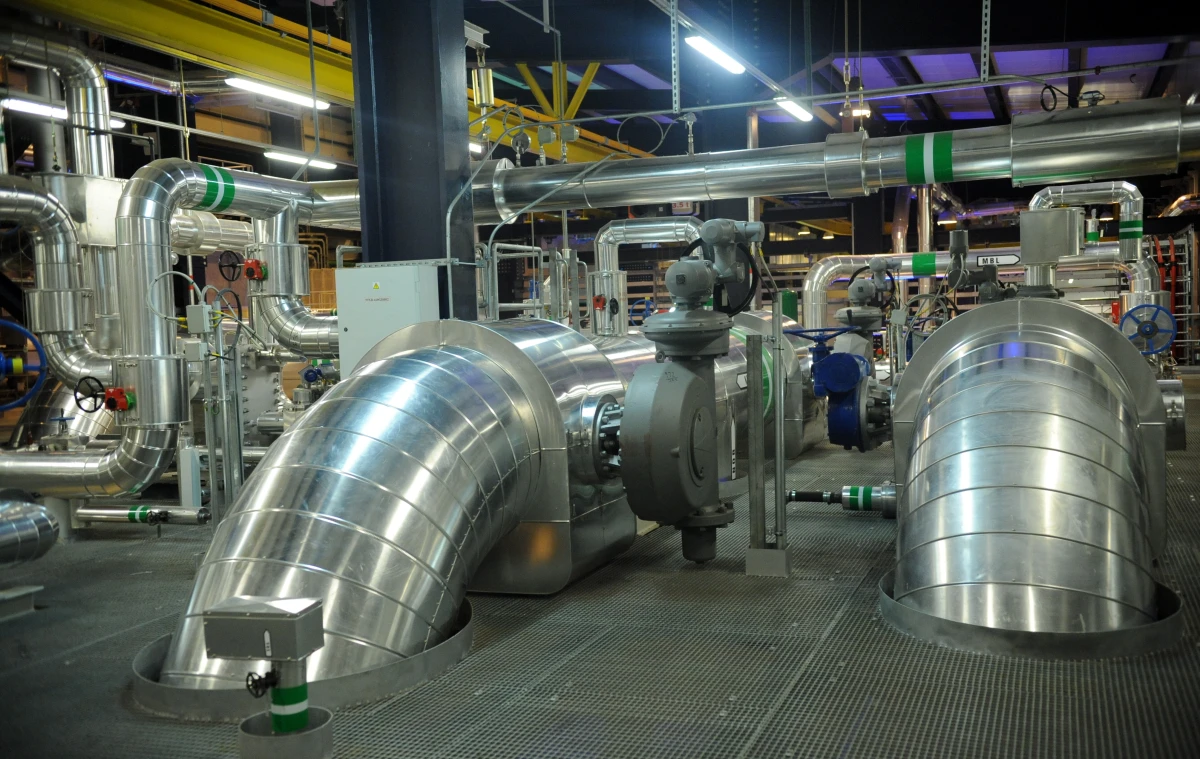
Residents of Latvia should prepare for the possibility that natural gas in the upcoming heating season may be more expensive than last winter. "Latvenergo" links this primarily to the rise in prices in the European market amid the conflict in the Middle East.
The cost of natural gas in the heating season of 2026/2027 is likely to be higher than last year's level. This forecast was announced by JSC "Latvenergo," commenting on the situation in the energy market.
The company notes that the price of gas is influenced by many factors simultaneously — from the geopolitical situation to supply and demand on European exchanges. Nevertheless, current trends indicate the maintenance of higher prices compared to last winter.
One of the main factors for the increase, according to "Latvenergo," is the situation in the Middle East. The escalation of the conflict in the region has already led to an increase in gas prices on the European TTF exchange, which is considered the main benchmark for price formation in Europe. According to the company, elevated quotes may persist until the end of the heating season.
For many consumers, this means that expenses for heating and hot water in winter may be higher than a year ago if the current market situation remains.
At the same time, "Latvenergo" emphasizes that it is impossible to predict further price movements in advance. There are different assessments in the market: some experts believe it is beneficial to purchase gas in advance, while others allow for a decrease in prices closer to winter.
The company explains that it uses a risk management system when working with gas. Gas is purchased and sold at market prices, oriented towards TTF quotes, and the price is fixed when a buyer is found under the corresponding conditions.
What is important to know: the price of gas for end consumers depends not only on current exchange quotes but also on the conditions of the specific supply contract, as well as on decisions made by heating supply companies.
"Latvenergo" also reminds that since 2023, the company has gained access to regular supplies of liquefied natural gas through the LNG terminal in Klaipeda. This allows for the provision of fuel supplies both for electricity and heat production and for the needs of retail customers.
According to the enterprise, the necessary volumes of gas for the operation of combined heat and power plants and for ensuring clients are already being reserved through procurement procedures.
Thus, the company does not forecast risks of gas shortages. However, the likelihood that consumers will have to pay more for it in winter than in the previous season remains high.









Leave a comment