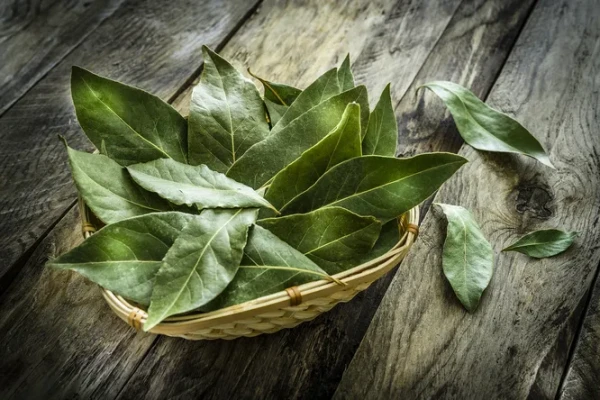
Especially for gardeners who are against chemicals on their windowsills, we will talk about a unique remedy. This fertilizer is made from bay leaves. It turns out that this spice works real wonders with indoor plants. Namely, it strengthens and stimulates growth. And all this is thanks to its chemical composition.
In order for indoor plants to delight you with lush greenery and abundant blooming, they need good care and regular feeding.
Of course, today you can find a variety of fertilizers in stores, but it is not necessary to go there for effective feeding. You just need to step into your kitchen.
After all, a package of bay leaves is likely to be found in almost every home. And surely most of you use it only for its intended purpose — in cooking. But in fact, bay leaves can also be used in gardening.
What Are the Benefits of Bay Leaves for Indoor Plants
Bay leaves contain a huge amount of beneficial substances:
B vitamins. They are very important for plants for proper development. This group of vitamins strengthens the root system, stimulates growth, boosts immunity, and thus helps save flowers that seem too weak to survive.
Vitamin C. There is plenty of it in bay leaves. This means that the plant will better resist diseases. In addition, the introduction of vitamin C serves as a kind of protection against chlorosis. It has been proven that vitamin C accelerates plant growth. It is no coincidence that ascorbic acid is used as a fertilizer.
Micro and macroelements. Bay leaves contain a lot of manganese, iron, copper, magnesium, phosphorus, zinc, and calcium. Therefore, feeding plants with bay leaves will replenish the supply of nutrients.
Essential oils. These substances have antiseptic and disinfectant properties. Oils, when entering the soil, disinfect both it and the root system, while also repelling pests.
Phytoncides. Bay leaves contain a large number of phytoncides, which, when entering the soil, inhibit the growth and reproduction of pathogenic microorganisms while stimulating the growth of beneficial "inhabitants" of the pot. And finally, bay leaves are rich in acetic and formic acids, which have an excellent stimulating effect on plants.
All of this makes bay leaves an excellent fertilizer for your indoor plants.
Recipe for Feeding Indoor Plants with Bay Leaves
The recipe for feeding indoor plants with bay leaves is very simple. All you need to do is prepare an infusion:
Just take 4 bay leaves and pour them with 1 liter of warm water, about 70 degrees. Let the leaves steep for 3-4 hours, and the fertilizer is ready. It can be used both as a foliar spray and for root feeding. However, everything is good in moderation, so this feeding should be done no more than once a month.
Ways to Use Bay Leaf Infusion for Indoor Plants
The bay leaf-based solution can be used for watering as well as for treating plants on their leaves:
Plants that you have just brought home, whether from a store or from a neighbor, need to be treated with bay leaf infusion. This will disinfect the surface of the leaves and reduce the risk of any diseases or pests settling on your windowsill.
Flower pots can be placed in a basin with bay leaf solution for a few minutes to saturate the soil with beneficial vitamins and microelements.
If you notice that a plant is wilting due to problems with the root system, it is a good idea to treat the roots with bay leaf infusion during repotting. Specifically, while preparing the new soil mixture, place the plant's roots in the infusion.
Bay leaf infusion will also help deal with unpleasant pests like spider mites. A few daily sprays will rid the plants of the pest.
Of course, bay leaves cannot replace complex fertilizers. However, it has been noted that regular watering with bay leaf infusion (once a month is sufficient) yields noticeable results — growth improves, plants stop wilting and drooping, and they become more resilient, including to lack of moisture, reports the magazine "Novy Ochiag."