Experts warn about the potential contamination of raw milk.
According to experts, raw milk not only does not have significant advantages over pasteurized milk, but it may also pose health risks, reports eatingwell.com.
According to data from the Centers for Disease Control and Prevention, raw milk can contain harmful bacteria. These include pathogens that cause foodborne illnesses, such as E. coli, listeria, salmonella, and others. Symptoms of these infections can include diarrhea, abdominal cramps, nausea, and vomiting. More serious consequences can occur in older adults over 65, children under 5, individuals with weakened immune systems, and pregnant women.
Consuming raw milk can increase the risk of more serious diseases, such as Guillain-Barré syndrome, which can lead to paralysis, as well as hemolytic-uremic syndrome—a rare but life-threatening condition that can cause kidney failure or stroke.
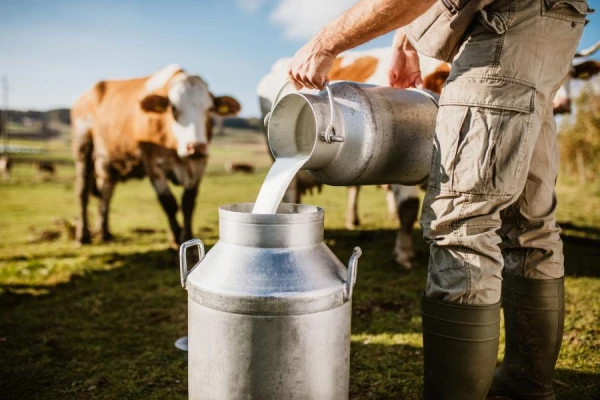
“Raw milk can be contaminated in various ways. Even healthy animals can carry microbes that are dangerous to humans. Microbes from the feces of these animals can enter raw milk and contaminate it. Following proper safety practices can reduce the likelihood of microbes entering raw milk, but it does not eliminate it completely,” specialists state.
Experts strongly recommend consuming only pasteurized milk, as it generally does not contain harmful microbes that can cause diseases.
Source: 1001sovet