
The last such find was made in the late 1990s.
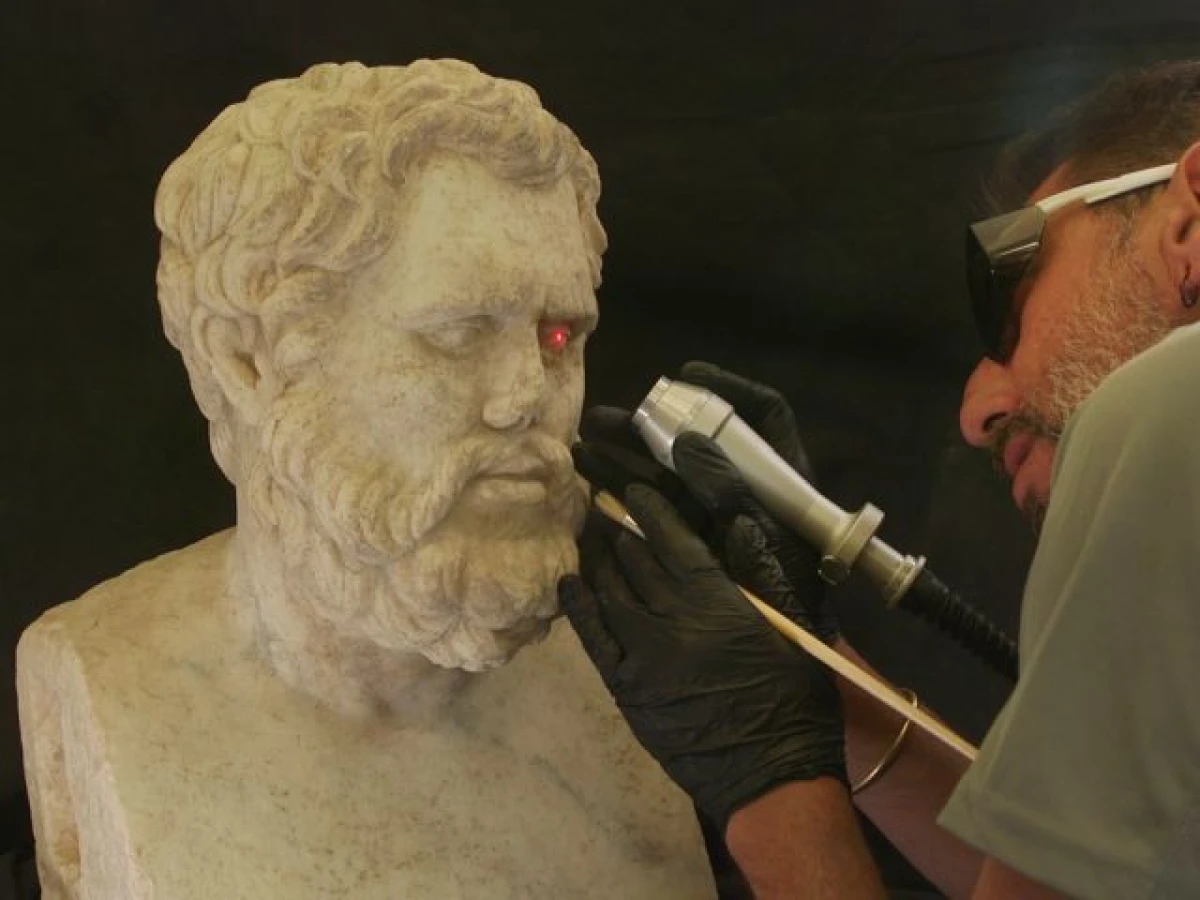
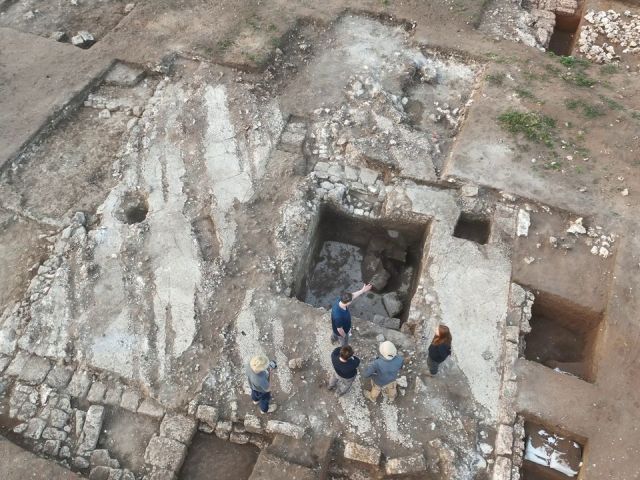
During archaeological excavations conducted in Binyamina as part of preparations for the construction of a high-speed railway line connecting Haifa and Tel Aviv, two marble busts approximately 1,700 years old were discovered.
"The sculptures date back to the Roman rule and were found out of place – the busts were face down in a wine collection well at a winery from the Roman-Byzantine period, where they ended up when the winery was no longer in use. Perhaps they were intended to be preserved this way," said excavation leaders Avishag Rice and Eliran Oren.
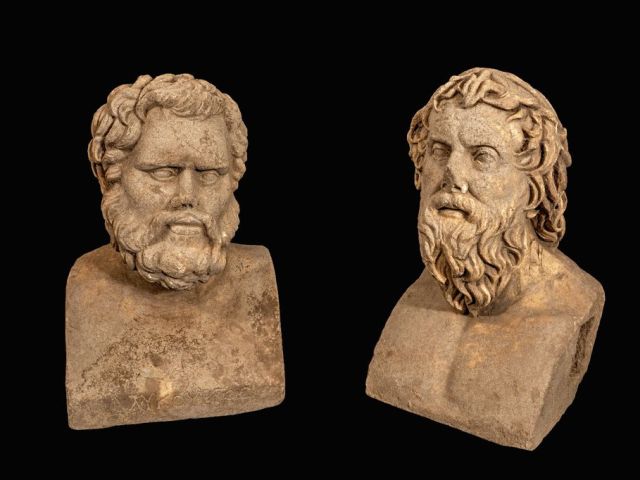
"The workers saw something shining in the ground and called me over. I had a feeling – this is something that shouldn’t be there. And then we realized it was not ceramics, but marble. We unearthed two statues. I still have no words. Such a find happens once in a lifetime. And on the last day of the excavations," said archaeologist from the Antiquities Authority Michael Sorotskin.
"These sculptures add to the collection of historical portraits discovered in Caesarea. The last such find was made in the late 1990s. One of the busts has the inscription 'Lycurgus'. This name belonged to two important historical figures. One of them was the founder of Sparta, and the other was an Athenian politician and orator from the 4th century BC. It is possible that the bust depicts one of them," noted Caesarea specialist Dr. Petr Gendelman.
He explained that in the Roman era, such busts were placed in both public buildings and the homes of elite individuals who wanted to emphasize their connection to the cultural world of antiquity: "Nearby, the ruins of baths were discovered, but perhaps they adorned the luxurious villa of some local resident."
The findings are presented at an archaeological conference at the Israel Museum in Tel Aviv. "We are proud that this will happen here, and that the public will be able to see these finds even after the conference," said museum director Gil Omer.










Leave a comment