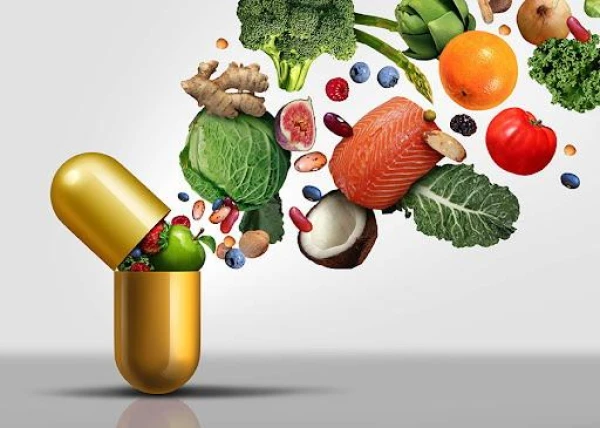
In spring, it is important not to relax, even when the snow has melted and the buds have begun to bloom. To avoid illnesses during this period, it is necessary to reassess your diet and replenish vitamin deficiencies.
This article will discuss what a spring diet should look like and which vitamins are especially necessary for the body during this time of year.
Vitamin C
This vitamin plays a key role in supporting the immune system. However, its sources are not limited to citrus fruits.
Include fresh bell peppers, parsley, Brussels sprouts, kiwi, as well as rose hips and currants in your diet.
Vitamin D
In early spring, there is not enough sunlight for the body to produce the necessary amount of vitamin on its own.
Therefore, it is advisable to add fatty fish and seafood, eggs and dairy products, wild mushrooms, liver, and poultry to your menu.
Vitamin E
A deficiency of this vitamin can negatively affect hormonal balance and cholesterol levels. You can replenish its reserves with sunflower seeds and vegetable oil, broccoli, asparagus, spinach, avocados, as well as shrimp and fish.
Vitamin A
This vitamin is essential for maintaining vision, the immune system, as well as the health of teeth, hair, and skin.
It is abundant in carrots, cabbage, pumpkin, spinach, dried apricots, liver, fatty fish, milk, cottage cheese, and butter, as well as in chicken eggs.
B Vitamins
These vitamins are necessary for carbohydrate metabolism, and it is difficult to maintain performance without them.
Consume whole grains and dairy products, chicken eggs, liver, meat and fish, nuts, greens, and legumes.