With the arrival of spring, after long winter months, there is an opportunity to diversify your diet. The spring table is abundant with vegetables and fruits that are sources of vitamins, minerals, and fiber. During this time, the human body adapts to increased physical activity, which is associated with the lengthening of daylight.
With the increase in daylight hours, there is a rise in metabolism. This information will be especially useful for parents concerned about their children's healthy eating, as well as active individuals. Elderly people also become more active in spring and summer, many of whom are gardeners.
Healthy Vegetables on the Spring Table
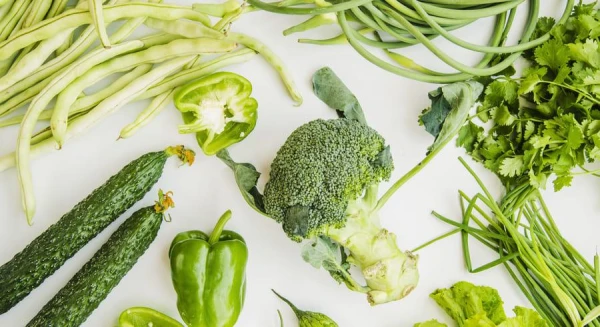
Among the available and healthy vegetables and greens, the following can be highlighted:
Carrots. Carrot juice helps prevent vitamin A deficiency, and when combined with apple juice and whipped cream, it becomes not only a tasty but also a healthy drink;
Cabbage (white cabbage and other varieties). It is indispensable for the nutrition of elderly people suffering from excess weight and diabetes. Cabbage contains no “fast” carbohydrates, does not turn into fat, and thanks to its fiber content, it improves intestinal function;
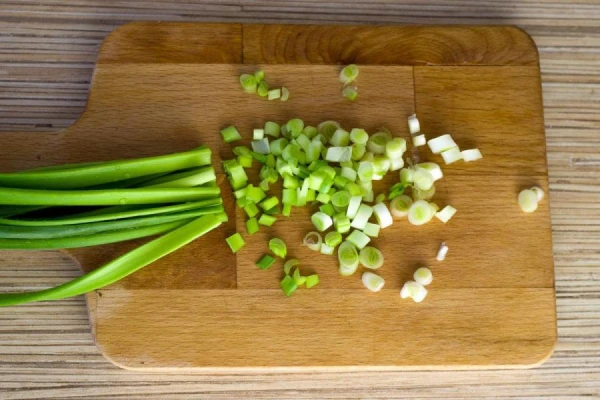
Fresh greens: dill, green onions, parsley, celery, lettuce, cilantro. All these products contain phytoncides, especially onions. A simple salad of onions, dill, parsley, and sour cream stimulates appetite. Green onions are rich in zinc, which positively affects the condition of hair and nails. Fresh greens strengthen the immune system and reduce the risk of colds, making them essential in a healthy diet.
Garlic. This is an excellent seasoning for many vegetable and meat dishes. Fresh garlic has antifungal and antimicrobial properties, stimulates gastrointestinal function, and normalizes intestinal microflora.
Don’t forget about beets, which are beneficial for high blood pressure, cucumbers, which are 95% water and perfect for those looking to lose weight, as well as zucchini and pumpkins, other beneficial plants.
Choosing Fruits for the Spring Table
The fruit menu does not necessarily have to include exotic products. On the contrary, the body better accepts those fruits that are grown in the region of residence. Genetic predisposition helps avoid allergies, which is especially important when composing a children's menu.
Spring healthy eating includes:
Apples. Apples are perhaps the most popular fruits. They are used to make juices, purees, casseroles, charlottes, and jams. However, for healthy eating, it is better to consume fresh fruits. According to nutritionists, two to three apples a day will provide the body with the necessary fiber and increase its resistance.
Pineapples. Bromelain found in pineapples helps break down protein, which is beneficial for people with low stomach acidity. A slice of pineapple during meals promotes better digestion. Additionally, pineapple is low in calories — only 52 kcal per 100 g of product.
Citrus fruits. Oranges, grapefruits, as well as water with lemon juice, ice, and mint quench thirst much better than plain water. Orange juice pairs excellently with bananas, carrots, and apples.
According to nutritionists, daily consumption of 400 g of fresh (or minimally processed) vegetables and fruits for an adult weighing 70-80 kg reduces the risk of excess weight and cardiovascular diseases by 30%.
Source: dietology.pro