
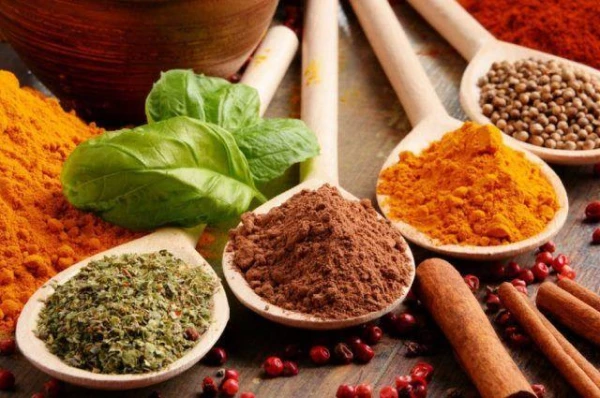
Fenugreek contributes to improving the lipid profile, especially in patients with type 2 diabetes. There are also other beneficial spices available to every housewife.
Fenugreek
Recent studies by Iranian scientists have demonstrated the impact of fenugreek supplements on lipid profile parameters such as triglycerides, total cholesterol, as well as low-density lipoprotein cholesterol (“bad” cholesterol) and high-density lipoprotein cholesterol (“good” cholesterol). It was found that fenugreek supplements reduce levels of triglycerides, total and “bad” cholesterol, while “good” cholesterol increases. The most noticeable results were observed in patients with type 2 diabetes.
The authors of the study claim that “fenugreek can be considered an effective hypolipidemic plant.” Regularly adding this spice to the diet can bring significant benefits, especially for diabetes.
Fenugreek is a leguminous plant that grows in the Caucasus, as well as in Turkey, Iraq, Iran, and Egypt. Many people have tried fenugreek without even realizing it, as it is part of the spice mix khmeli-suneli. And ucho-suneli, a less known but also available seasoning, is simply ground fenugreek.
Rosemary
“Another beneficial herb for diabetes is rosemary,” notes PhD, gastroenterologist Konstantin Spakhov. “This spice contains rosmarinic and carnosic acids, which have the remarkable property of preventing the formation of advanced glycation end-products (AGEs).
AGEs are compounds formed by the binding of proteins with sugars in the presence of excess glucose, causing major complications of diabetes such as vascular damage and premature aging. Glycation leads to a loss of tissue elasticity, especially noticeable on the skin. To prevent this process and prolong the youth of the body, patients with diabetes should definitely include rosemary in their diet.”
Turmeric
Curcumin, found in turmeric, has similar properties and a powerful anti-inflammatory effect. Therefore, turmeric is beneficial for protection against cardiovascular diseases and cancer, as inflammation plays a significant role in their development.
Since curcumin reduces inflammation in the brain as well, it is used for the prevention of neurodegenerative diseases, including Alzheimer’s and Parkinson’s diseases. There are numerous studies confirming the protective effect of turmeric on the liver. This is why this spice should be regularly included in one’s diet, as is done in India, where it is very popular.









Leave a comment