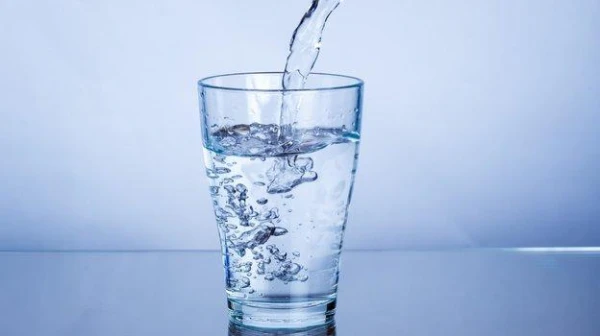
Mineral water, which can be purchased at pharmacies and is recommended as part of certain health diets, is often carbonated. This raises many questions: can it really be beneficial?
Sparkling water is saturated with carbon dioxide, which gives it its "fizz." Certainly, carbonated drinks come in various forms. For example, Pepsi is hardly a healthy soda, but there are drinks that are carbonated specifically to create a refreshing effect. How harmful is carbonation itself?
Carbon dioxide combined with water forms carbonic acid. This is a weak acid that activates nerve receptors in the mouth, causing characteristic prickling sensations. The pH of sparkling water ranges from 3 to 4, indicating its mild acidity. However, this does not mean that such water oxidizes the body. Excess carbon dioxide is expelled by the kidneys and lungs, which helps maintain blood pH levels in the range of 7.35 – 7.45, regardless of diet.
One of the main concerns associated with sparkling water is its impact on teeth, as the "acidic shock" can negatively affect enamel. Some studies show that sparkling water damages enamel only slightly more than still water. However, there are also studies that claim the opposite. Therefore, at this point, scientists cannot definitively say how harmful sparkling water is to teeth. Yes, it affects enamel, but it is likely less critical than consuming sugary drinks.
As for digestion, sparkling water can be quite beneficial, which is why it is often found in pharmacies. Firstly, it aids in swallowing. Secondly, sparkling water may enhance the feeling of fullness after meals. It helps food stay in the stomach longer, which affects appetite. Thirdly, such water helps relieve constipation.
In conclusion, it can be said that sparkling water (without added sugar) is indeed beneficial. There is no reason to give up this drink if you enjoy it.