
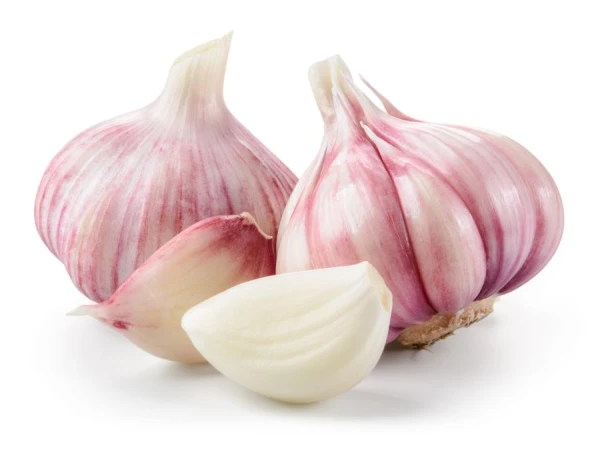
Consuming 1-2 cloves of garlic a day can be beneficial for health. However, exceeding this norm can lead not only to unpleasant breath but also to heartburn, stomach issues, and other side effects. Therefore, garlic should be consumed in moderation.
Negative Consequences of Garlic
Increased Risk of Bleeding.
One of the most serious side effects of excessive garlic consumption is an increased risk of bleeding, especially if you are taking anticoagulants or planning to undergo major surgery.
Garlic has properties that prevent blood clotting. Although cases of bleeding caused by garlic are rare, one report described a case where a person experienced severe bleeding (the day before surgery) after regularly consuming 12 grams of garlic — about 4 cloves. If you are taking any medications or planning for surgery, be sure to consult your doctor before increasing the amount of garlic in your diet.
Unpleasant Breath.
Garlic contains many sulfur-containing compounds that are often associated with various health benefits. However, these compounds can also cause unpleasant breath. This is especially true for raw garlic: after cooking (frying or boiling), the content of beneficial sulfur-containing compounds decreases, and the breath becomes less unpleasant.
Heartburn.
If you have gastroesophageal reflux disease (GERD), you may want to consider reducing your garlic intake. GERD is a common condition where stomach acid flows back into the esophagus, causing heartburn and nausea. Garlic can weaken the tone of the lower esophageal sphincter (LES), which is responsible for closing the muscles at the bottom of the esophagus and preventing acid from entering.















Leave a comment