
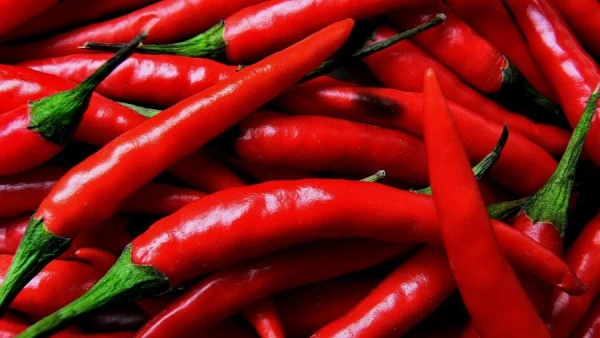
Chili pepper is a favorite among gourmets and chefs. Despite its spicy taste, which is not to everyone's liking, the fruits of this plant, which came to us from Latin America, have become very popular. Chili is rich in beneficial substances that strengthen the body and bring pleasure. For example, capsaicin—it protects against viruses, and endorphins—these are the hormones of happiness.
Chili peppers have a mixed reputation. Some adore them, while others criticize them. The reason for such love and dislike lies in their spiciness. This Latin American exotic may not appeal to everyone.
However, it is pointless to argue that it possesses numerous healing properties. Studies conducted by scientists have confirmed that chili peppers are incredibly beneficial. How exactly? By containing vitamins (A, B group, C, E, K, and PP), as well as minerals (iron, potassium, calcium, magnesium, sodium, phosphorus). Chili also contains endorphins that promote happiness and quercetin—a rare substance that protects blood vessels from damage.
Cayenne pepper is considered a low-calorie product. One chili weighing 15 grams, which corresponds to the maximum daily allowance, contains only 18 kilocalories.
Experts from the well-known Turkish publication ensonhaber.com reminded us of some properties of chili peppers that have earned them the title of superfood. Capsaicin, which gives chili its spiciness, raises body temperature when it enters the body.
This leads to an increase in energy expenditure. In other words, the calories consumed by people are burned faster, and weight begins to decrease noticeably. Therefore, in many countries, chili is included in weight loss diets, of course, in the absence of contraindications.
Scientists believe that consuming one chili pepper (weighing no more than 15 grams!) daily can significantly strengthen the body.
Cayenne pepper, often referred to as chili, contains antioxidants such as vitamin C and beta-carotene. They help protect the body from free radicals and reduce cell damage. Vitamin C helps strengthen the immune system and protects the body from infections.
It has been proven that hot red pepper can help lower levels of harmful cholesterol. It regulates blood sugar and blood pressure levels.
However, even these beneficial properties do not allow everyone to consume chili without exception. The Latin American “beauty” has many restrictions. It can be dangerous for people suffering from allergies, stomach diseases, and gallstone disease.
Even if a person is healthy, the consumption of cayenne pepper should be strictly limited. No more than 15 grams—a daily norm established by scientists and doctors.
















Leave a comment