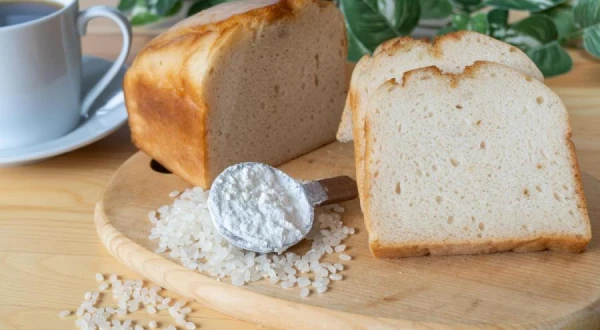
Rice flour is an excellent alternative to traditional wheat flour. It can be used for baking, including pizza dough, dumplings, and pancakes. Additionally, rice does not cause allergies, and flour made from it is recommended for people with gluten intolerance. But most importantly, rice flour is easy to make at home.
Nutritional Value and Health Benefits
100 g of rice flour contains:
354 kcal
81 g of carbohydrates
5.5 g of proteins
0.8 g of fats
For comparison, the energy value of wheat flour is slightly different:
334 kcal
70 g of carbohydrates
10 g of proteins
1 g of fats
Rice flour is a source of plant proteins in an easily digestible form. It is slightly more caloric than wheat flour but does not contain gluten, which is particularly important for people with gluten intolerance.
Rice is rich in fiber, zinc, B vitamins, and sodium. Therefore, rice flour is beneficial for gastrointestinal health, promotes good digestion, and strengthens the immune system. However, it is worth noting that it has a high glycemic index, so caution should be exercised in cases of diabetes.
It is also important to remember that rice can accumulate arsenic. Therefore, for example, rice milk is not recommended for children under one year old. Nevertheless, boiled rice and flour prepared in a certain way are safe. Rice is valuable in that it rarely causes allergies, so it can be included in the diet of the whole family, including children over 6 months old.
To remove accumulated arsenic from rice, simply soak it in water for 5–7 minutes, then rinse until the water runs clear, and only after that use it for cooking.
Ingredients for Making Rice Flour at Home
To make flour, you will only need rice — nothing else. Even store-bought flour should contain just one ingredient. Yes, alternatives to regular flour are often found. Rice flour can be found in any large supermarket. But why buy it when you can make it yourself? This will not only diversify your culinary routine but also allow you to try several recipes, mentioning that the flour was ground by you.
If you are unsure where to use rice flour, here are a few ideas. It can be mixed with wheat flour (about 1/10 of the total volume) when baking bread, used as a base for batter, kneaded into pizza or pancake dough, prepared for gluten-free breakfasts — such as banana waffles or pancakes, and used to thicken cream soups and sauces. The only nuance is that rice flour easily absorbs moisture, so it is important to store it properly. But more on that later.
What Type of Rice is Used to Make Rice Flour
Rice flour is usually made from white short-grain rice, but no one limits your desire to experiment. Jasmine rice is also suitable for flour, although it is more expensive, as well as brown rice and long-grain rice. You can mix different types of rice in search of the perfect taste and texture. However, flour made from white short-grain rice is considered classic. It turns out light, airy, and neutral in taste, allowing it to be used in a wide variety of recipes. Additionally, this grain contains more starch, which makes the flour sticky, which is important for baking and Japanese mochi desserts.
How to Make Rice Flour
You will need a powerful blender with fine blades and rice. To ease the load on the equipment and, as mentioned earlier, to remove arsenic, soak the rice for 5–7 minutes, then rinse it until the water runs clear. We have written a bit about how to properly rinse rice here.
Drain the water and spread the rice in a thin layer on a towel. Let it dry — it can remain slightly damp to make it easier for the blender to grind, but there should be no visible droplets of water.
After that, start grinding. Do this in stages, for a few seconds: mix the flour and turn the blender back on to ensure no grains are missed. The consistency should resemble powder.
In the final stage, the flour needs to be dried in a pan over low heat. Constantly stir the flour with a spatula and watch that it does not brown — the color should remain white. Burnt flour will change the taste, and this will affect the batter or dough. We don’t need any off-flavors, right? Sift the dried flour through a sieve to ensure that no poorly ground grains remain. Then it can be packaged for storage.
How to Make Rice Flour in a Coffee Grinder
The principle of preparation is no different from that described for the blender. The only difference is that you should use a coffee grinder for grinding. It is suitable in cases where you need a small batch of rice flour. Otherwise, the process may take longer, as a coffee grinder cannot hold much rice — its bowl holds about 40–50 g of coffee beans.
How to Store Rice Flour
To store rice flour, you need to find a dark, dry, and cool place — in such conditions, it will last longer. Moisture and insects are the main enemies, so the product needs to be protected from them. The optimal storage temperature is around 10 degrees, but the flour can also be stored at room temperature. Be sure to transfer it to a tightly sealed container — for example, a jar.
Can Rice Flour Be Replaced with Something Else
Rice flour is already an alternative to wheat flour. But if you still want to replace it, you should first ask yourself the question: “Why?” If the reason is gluten intolerance, consider corn, buckwheat, or flaxseed flour. Keep in mind that each flour has its characteristic taste, which will not disappear after heat treatment. If health benefits are important to you, try whole grain or oat flour. However, oat flour contains gluten. And do not expect fluffy buns to come from such flour. Almond and coconut flour are suitable for gourmets and can be used for special desserts.