
By the evening of May 9, the police in Latvia had detained three people and initiated 66 administrative processes related to the glorification of military aggression and violation of public order. Most violations were recorded online, but incidents also occurred at memorial sites.
The State Police reported that May 9 in Latvia passed without serious incidents; however, throughout the day, law enforcement recorded dozens of violations related to prohibited symbols, provocations, and public order.
According to the police, by 8:00 PM, 66 administrative processes had been initiated. Of these, 37 are related to publications and actions in the digital environment, while another 29 are associated with violations in public places.
The majority of the processes concern the use of symbols glorifying military aggression and war crimes.
Three people were detained during the day.
In Ventspils, a man attached a St. George ribbon to his clothing and refused to show his documents to the police.
In Salaspils, a man was detained who was so intoxicated that, according to police estimates, he posed a threat to public order and safety.
Another incident occurred in Liepaja. There, a drunk man violated public order, used obscene language, and mocked Latvia's support for Ukraine. After refusing to comply with police demands, he was detained, and four administrative processes were immediately initiated against him.
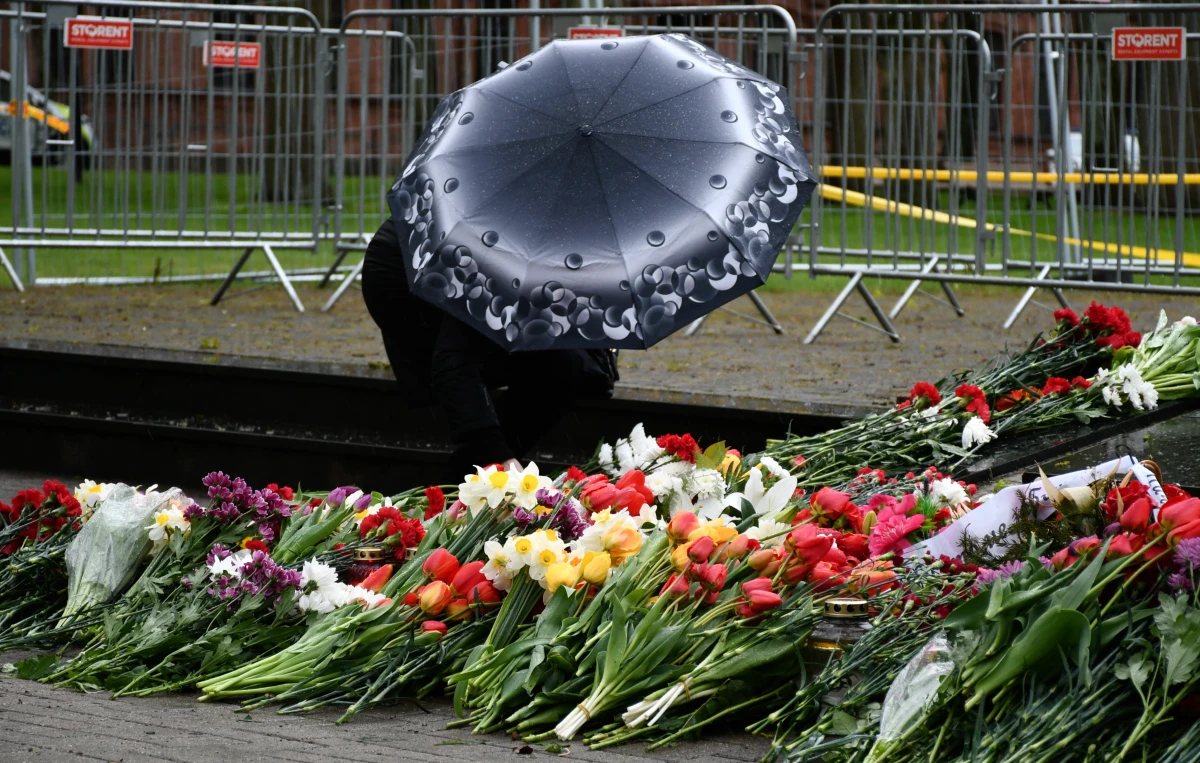
The police also recorded attempts to lay flowers at the sites of dismantled Soviet monuments—in Riga and Daugavpils.
In Latvia, such actions are interpreted as glorification of military aggression and Soviet objects, which is why administrative processes have also been initiated against these individuals.
LETA reported that in the Uzvaras Park in Riga, police detained a man with flowers near the site where a monument to Soviet soldiers stood until 2022.
Throughout the day, other incidents were recorded. In Daugavpils, a man with a portable speaker played a song glorifying military aggression, while in Riga, a song about the Red Army was heard from a car at the Plavnieki Cemetery.
It is important for residents to understand: individual laying of flowers at burial sites is not prohibited. However, actions at dismantled monuments are viewed by the police differently—as a political action or glorification of aggression.
Law enforcement reminds that public use of symbols of totalitarian regimes and any symbols justifying military aggression is prohibited in Latvia.
On May 9, the police, the Security Police, and other agencies operated in an enhanced mode throughout the country.
The topic of May 9 continues to be one of the most sensitive in Latvian society. For some residents, the date is associated with the memory of victory over Nazism, while for others, it is linked to Soviet occupation and the loss of independence of the Baltic states.












Leave a comment