The oversight council for the battery train project convened for its third meeting. The process is overseen by 1) the Ministry of Transport, 2) the state enterprise "Passenger Train", 3) the railway, and 4) the Road Transport Directorate.
Five years ago, it was assumed that the purchase would somehow be conducted by the Road Transport Directorate (instead of "Passenger Train"), and the battery electric trains were initially supposed to run from Bolderāja to Sigulda. However, for this, it was necessary to build an overhead line to Inčukalns, which was dismantled about ten years ago from Zemitāns to Jugla. Nothing was built in time. Therefore, to launch the train to Bolderāja, the electrification of the former Riga-Bolderāja railway is now being carried out, which was not previously planned.
The participants of the meeting assured each other that regular and systematic oversight would be ensured during the implementation of the project. That was the end of the discussion.
The story with the battery electric trains was initiated because seven diesel trains in Latvia are equipped with Russian "Zvezda" engines, and spare parts for them cannot be purchased due to sanctions.
In 2020, a tender was announced for 8 new diesel trains, which were supposed to be delivered by 2023. But today is 2026, and there are still no new diesel trains. Europe does not allocate co-financing for them, as this is not part of the "green course"... Therefore, they have reached the point of purchasing battery electric trains: passengers need to be transported somehow.
It is worth recalling that 50 years ago, Latvia had 10 battery electric trains that initially operated on the route Jelgava – Ogre, and after the electrification of the Jelgava direction, they were used on the routes Riga – Jelgava – Tukums II and Saulkrasti – Limbaži. But then they were replaced by diesel trains, and the electric trains were transferred to another railway. By now, all of them have long been decommissioned. However, electric trains are no longer produced in Riga today.
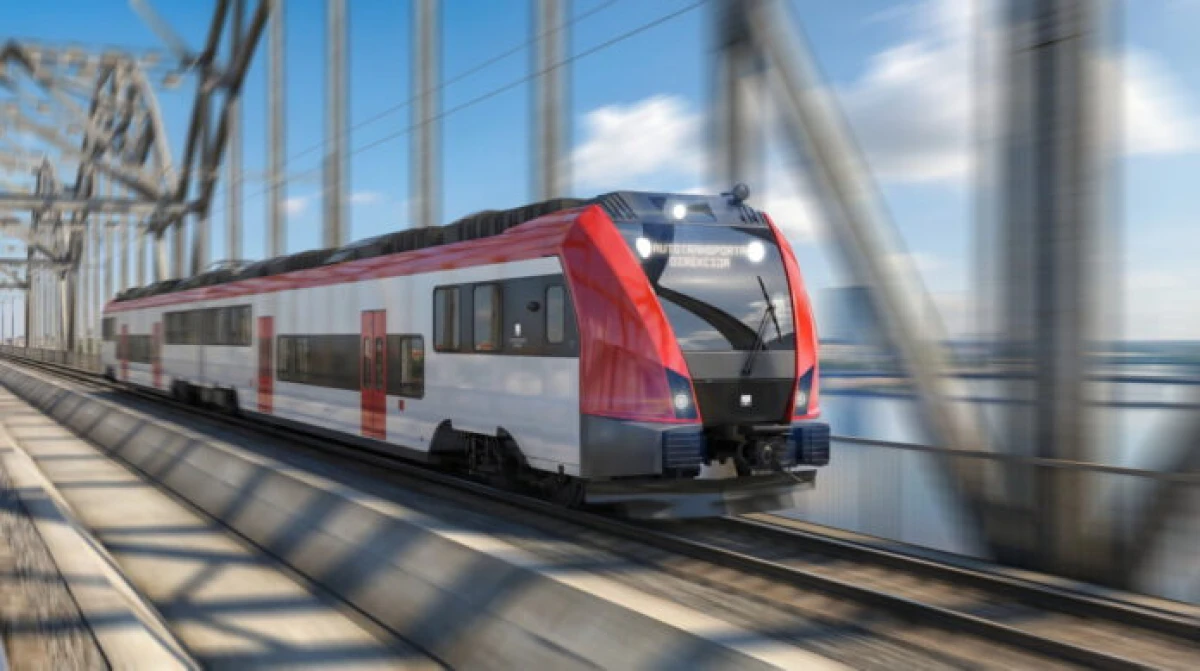
Ultimately, on December 11, a contract was signed with Škoda for the supply of 9 battery trains by 2029 for a total of 89 million euros. The contract also provides for the possibility for Latvia to purchase 7 more such trains if funding for this is found.